AI chips are booming, but mature node inventory1 sits idle. Unsold stock ties up cash and threatens your business. Let us explore why this happens and how to fix it.
The 2026 chip market faces a K-shaped divide2. High-end AI chips face severe shortages, while mature nodes for consumer electronics3 suffer from excess capacity. This imbalance forces a massive destocking phase in older technologies. Inventory management is now crucial for your survival.
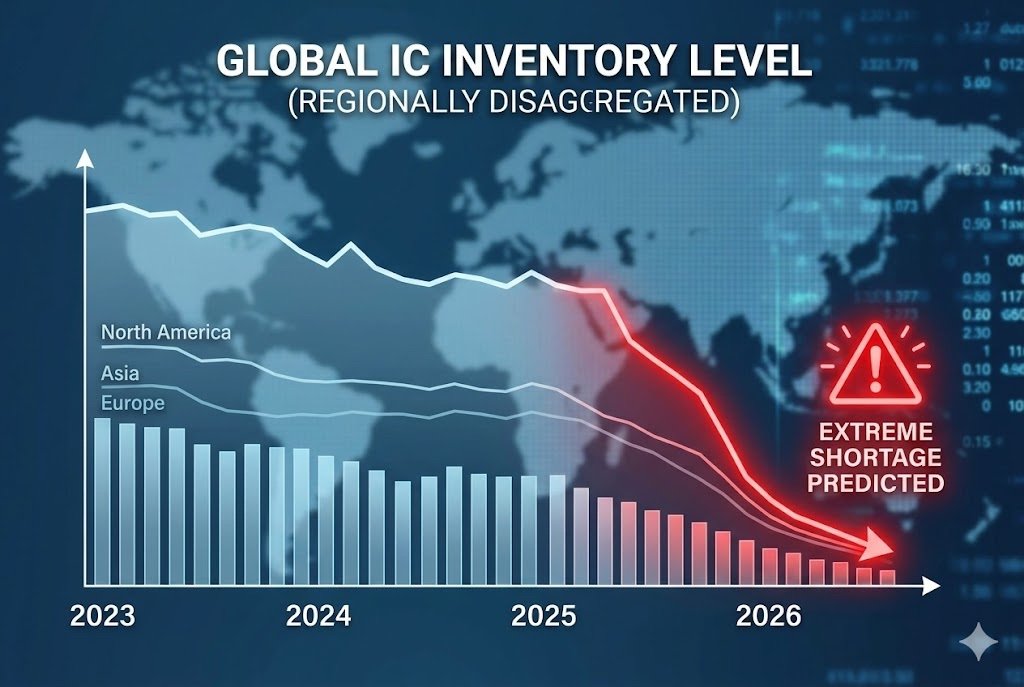
Many hardware engineers and procurement managers feel confused by these mixed market signals. I remember a recent project clearly. We struggled to find advanced chips4 for a client. At the same time, we heard news of massive AI investments everywhere. You need to understand this deep divide. It is the very first step to protect your supply chain. If you ignore this trend, you will face severe production delays. You might also lose a lot of money on useless stock. Let us dive into the details of this market shift. We will look at the exact causes of this problem. We will also look at the best ways to protect your business. Your success depends on how well you adapt to these new rules.
What Drives the Extreme K-Shaped Trend in the 2026 Chip Market?
Market reports confuse you with mixed signals. You risk buying the wrong parts at the wrong time. We must break down this market to guide your choices safely.
The K-shaped trend means top-tier AI chips grow rapidly in demand. At the same time, older nodes drop in value due to overproduction. Procurement teams must split their strategies to handle extreme shortages and huge surpluses at the exact same time.
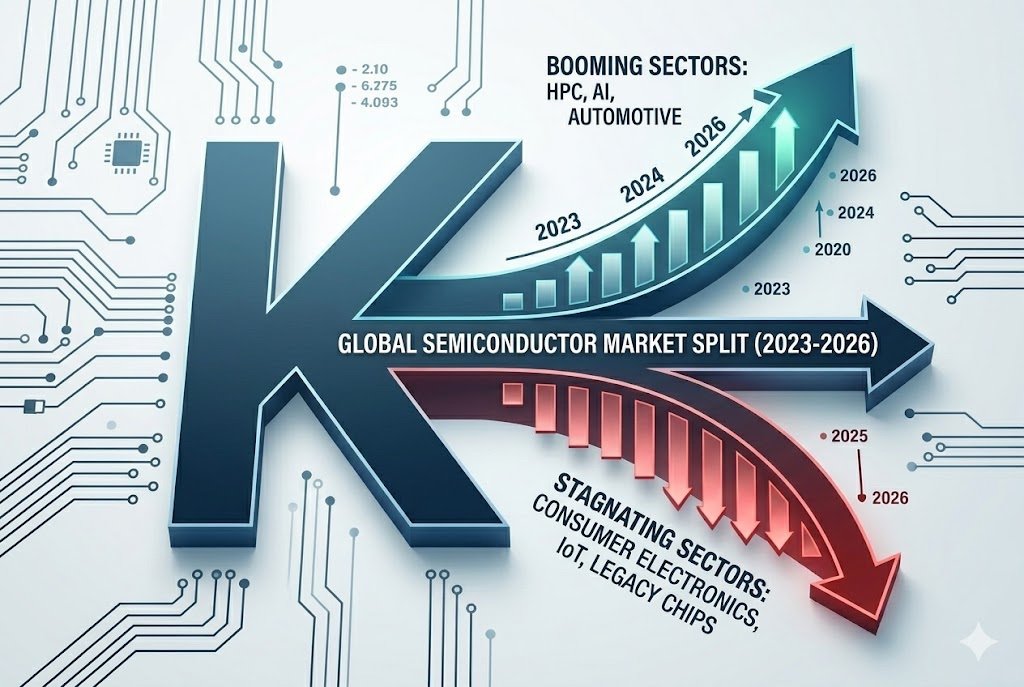
I see many clients struggling with this deep divide every single day. They read news about global chip shortages. However, their own warehouses are completely full of standard parts. We need to look closer at what causes this massive split.
The Core Drivers of the Market Divide
The AI boom5 pulls all the investment money toward advanced nodes. We see this in 3nm and 5nm technologies6. Big tech companies want these chips for massive data centers. They also need them for smart electric cars. However, regular factories keep making older chips. They built too many production lines during the last global shortage. Now, no one wants to buy these older chips. This creates a very big gap in the market. The supply chain is broken.
I use a simple method to help my clients see this problem clearly. We look at the hard data side by side.
Comparing High-End and Mature Nodes
| Feature | High-End AI Chips | Mature Node Chips |
|---|---|---|
| Process Technology | 5nm and below | 28nm and above |
| Market Demand | Very High | Low to Medium |
| Supply Status | Severe Shortage | Excess Capacity |
| Price Trend | Going Up | Going Down |
| Target Industry | AI, Data Centers, EV | Consumer Electronics, Home Appliances |
You must change your buying habits based on this specific table. If you treat all chips the same, you will fail in 2026. You need aggressive sourcing plans for high-end parts. You also need careful inventory control for mature nodes. I always tell my team at Nexcir to separate these two categories. We do this when we plan for our OEM customers. This clear focus saves time and money. It also stops sudden production stops. You must act now before the market shifts again. The gap between high-end and low-end will only grow wider in the next few years.
Why Are Consumer and Home Appliance Chips Facing High Backlog Risks?
Your warehouse holds too many consumer chips. This dead stock drains your budget and stops you from buying what you actually need. You must spot these risks early.
Consumer and home appliance chips face backlog risks because post-pandemic demand7 dropped sharply. Factories overproduced these mature nodes, leading to massive excess inventory. Distributors and OEMs must clear this stock quickly before prices drop further and cause severe financial loss.

Let us talk about everyday electronics. I recently visited a client who makes smart home devices. His shelves were overflowing with standard microcontrollers (MCUs)8. He also had too many power management ICs (PMICs)9. He bought them a year ago. He feared a big shortage back then. Now, he cannot use them fast enough. His money is stuck on those shelves.
The Danger of Overstocking
People stopped buying new TVs and washing machines recently. Because of this, the demand for basic chips crashed hard. But the chip makers did not stop producing them right away. They wanted to keep their factory lines running. This delay caused a huge pile-up in the global supply chain. The inventory just keeps growing every month.
We must break down the exact parts. These parts pose the biggest threat to your business right now.
High-Risk Component Categories
| Component Type | Common Application | Risk Level | Reason for Backlog |
|---|---|---|---|
| Standard MCUs | Microwaves, Washers | High | Too many alternative suppliers |
| Basic PMICs | TV sets, Chargers | High | Low barrier to entry |
| Display Drivers | Smart Home Screens | Medium | Slow consumer upgrade cycle |
| Audio Chips | Smart Speakers | Medium | Market saturation |
If you hold these specific parts, you carry a heavy burden. You need to stop ordering these in bulk right now. Instead, you should buy them only when you actually need them for production. This simple strategy keeps your cash safe. It also keeps your warehouse clean and organized. You will avoid the massive price drops that are coming soon. Many companies ignore this advice. They keep buying standard parts because they look cheap. This is a very dangerous mistake. Cheap parts are not cheap if you never use them in your final products.
How Can Procurement Managers Survive the 2026 Inventory Crisis?
Fake parts and bad pricing threaten your supply chain. You lose money and sleep over unreliable vendors. A strong sourcing plan will protect your business and reduce stress.
Procurement managers survive by partnering with trusted global distributors10. You must secure long-term contracts11 for high-end chips while buying mature nodes on the spot market12. This keeps costs low, ensures product authenticity, and prevents dangerous inventory buildup.

You need a very clear plan to win in 2026. My team at Nexcir spends hours every day on this. We help OEMs balance their complex orders. You cannot rely on old buying habits anymore. The market moves too fast today. You must adapt quickly to survive.
Building a Smart Buying Plan
First, you must protect yourself from fake parts13. Mature nodes will flood the market soon. When this happens, bad actors try to sell cheap, fake chips. You must only buy from authorized distributors. You can also buy directly from original manufacturers. Second, you must track your inventory every single week. If you see standard parts sitting for too long, you must act. You must sell them or stop buying more immediately.
Let us look at a simple action plan for your team.
Action Plan for 2026
| Action Step | Focus Area | Expected Result |
|---|---|---|
| Audit Inventory | Consumer & Appliance Chips | Find hidden dead stock |
| Change Contracts | Mature Nodes | Buy only on demand |
| Lock Supply | High-End AI Chips | Secure long-term delivery |
| Verify Sources | All Components | Stop counterfeit parts |
This action plan gives you total control over your supply chain. You will stop wasting money on parts you do not need at all. You will also guarantee that you have the right parts. These parts will keep your production lines moving without delays. This is exactly how you build a stable business. This is how you stay competitive in a very hard market. We always tell our clients to focus on flexibility. You cannot predict everything in the electronics industry. However, a smart plan protects you from the worst surprises. It gives you peace of mind every single day.
Conclusion
The 2026 chip market demands careful attention. Secure high-end AI chips while aggressively destocking mature nodes. Smart procurement and trusted partners will keep your business safe and profitable.
Exploring this will help you understand why excess capacity in mature nodes can threaten your business and how to manage it effectively. ↩
Understanding the K-shaped divide helps you navigate the contrasting demands and supply issues in the chip market, crucial for strategic planning. ↩
Exploring this issue can help you manage inventory and avoid overstocking in a declining demand market. ↩
Learning about the demand for advanced chips can help you prioritize procurement strategies and avoid shortages. ↩
Understanding the AI boom's impact can guide your investment and procurement strategies in the tech industry. ↩
These technologies are crucial for high-end applications, and knowing their importance can help you focus on the right investments. ↩
Understanding post-pandemic demand shifts can help you adjust your production and procurement strategies accordingly. ↩
Knowing the risks associated with MCUs can help you avoid overstocking and financial losses. ↩
Understanding these risks can help you manage inventory better and prevent financial losses. ↩
Partnering with trusted distributors ensures product authenticity and helps manage costs effectively. ↩
Securing long-term contracts can stabilize your supply chain and protect against market volatility. ↩
Using the spot market strategically can help you manage costs and inventory in a fluctuating market. ↩
Avoiding fake parts is crucial for maintaining product quality and reliability in your supply chain. ↩