Struggling to choose a component supplier1? Making the wrong choice can stall your production and inflate costs. Let's break down your options to find the perfect fit for your needs.
Choose authorized distributors2 for direct factory support and the latest technology. Opt for independent distributors3 for flexibility, cost savings, sourcing hard-to-find parts4, and avoiding minimum order quantities. A smart strategy often uses both to build a resilient and agile supply chain5.
Choosing the right sourcing partner is a critical decision. Your choice impacts everything from your product's cost to your production schedule. It's not just about getting a part; it's about building a supply chain5 that works for you. Let's dive into the details so you can make an informed decision and keep your projects moving forward.
What Exactly Is an Authorized Distributor?
Are you feeling pressure to only buy from authorized channels? You worry that any other option is too risky. Let's look at what an authorized distributor really offers and where they fit.
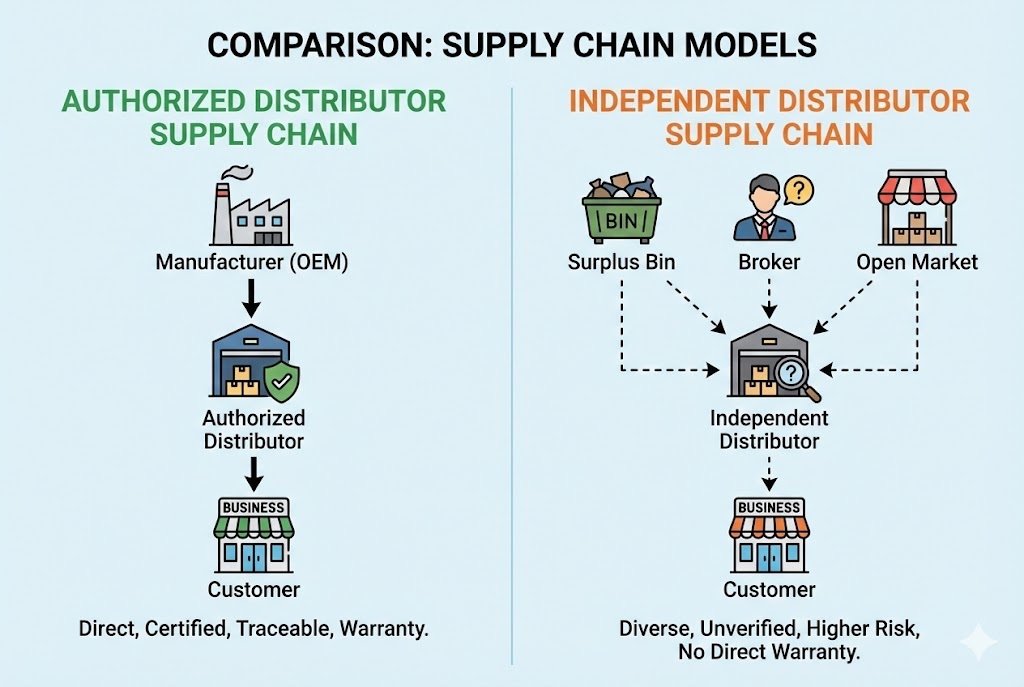
An authorized distributor has a formal agreement with a component manufacturer. This means they are an official, factory-endorsed channel. They provide direct access to the manufacturer's inventory, full traceability6, and technical support7. This is the most traditional and secure sourcing route for many companies.
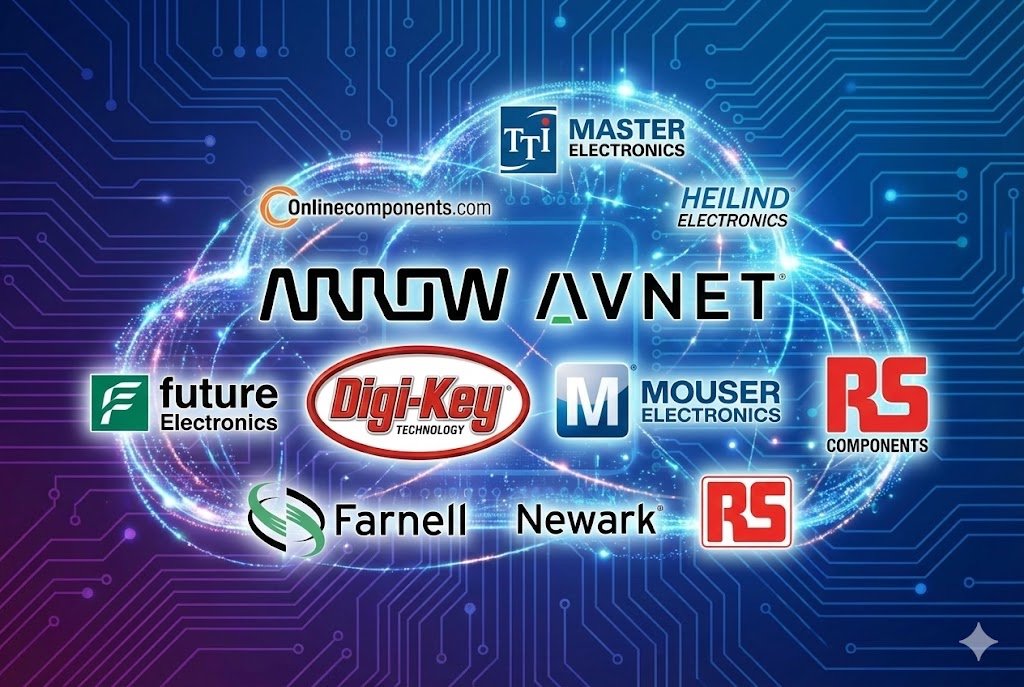
An authorized distributor acts as an extension of the manufacturer. They get their stock directly from the factory, so the parts are guaranteed to be original and come with a full warranty. This direct relationship is their biggest strength. When you buy from them, you get a clear paper trail right back to the source. This is very important for industries like medical or automotive where traceability6 is a legal requirement.
However, this model has some limits. They must follow the manufacturer's pricing and policies. This often includes Minimum Order Quantities (MOQs)8 and rigid pricing structures. They are also limited to the brands they are franchised for. If a part goes into allocation or becomes obsolete, they may not be able to offer a solution outside of their official line card.
Key Characteristics of an Authorized Distributor
| Feature | Description |
|---|---|
| Traceability | Complete, unbroken chain of custody back to the manufacturer. |
| Pricing | Set by the manufacturer. Often stable but less flexible. |
| Support | Direct access to manufacturer's technical support7 and datasheets. |
| Inventory | Limited to the specific brands they are franchised to sell. |
| Lead Times | Subject to factory production schedules9 and allocations. |
And What Makes an Independent Distributor Different?
Do you find authorized channels too rigid and slow? You need parts now, but are stuck with long lead times10 and high MOQs. An independent distributor offers a more flexible path.
An independent distributor, like us at NexCir, is not tied to any single manufacturer. We source components from a global network of trusted suppliers. This includes excess inventory from OEMs, stock from other distributors, and other verified open-market channels, giving you more options and flexibility.
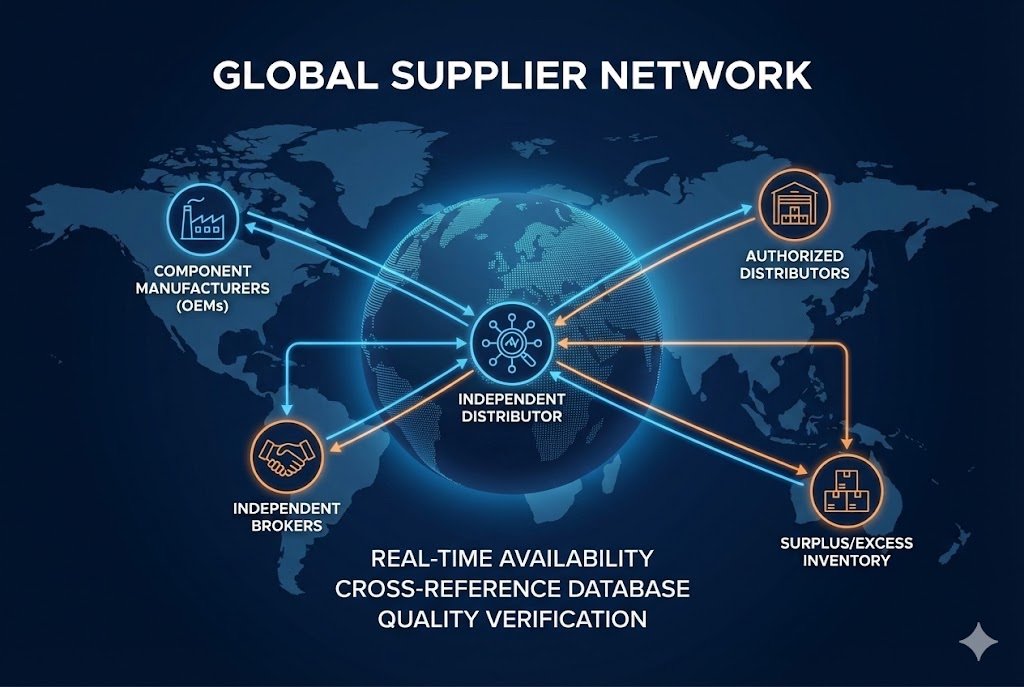
Our main job is to solve supply chain problems11//arxiv.org/pdf/2207.13174)5 problems. We are not just selling what a manufacturer tells us to sell. We are sourcing what your project actually needs. I remember a client who needed a specific microcontroller that was on a 52-week lead time from authorized channels. Their production line was about to stop. We used our global network and found original, verified stock in a different region within 48 hours. We got it to their factory in under two weeks. This is something an authorized distributor simply cannot do.
We focus on capability, not just inventory. This means we can find parts that are hard to get, allocated, or even discontinued (End-of-Life). We are not bound by manufacturer pricing, so we can often find better prices. And because we buy from various sources, we usually don't have to enforce large MOQs. This is great for R&D projects or smaller production runs.
Independent vs. Authorized: A Quick Comparison
| Aspect | Independent Distributor | Authorized Distributor |
|---|---|---|
| Flexibility | High. Can source across brands and regions. | Low. Limited to franchised lines. |
| Part Access | Excellent for hard-to-find, obsolete (EOL), and allocated parts. | Limited to current production parts from their line card. |
| Pricing | Dynamic and market-driven. Often more competitive. | Stable but rigid. Set by the manufacturer. |
| MOQ | Often low or no MOQ. | Usually high, set by the manufacturer. |
When Should You Partner with an Independent Distributor?
Are component shortages12 stopping your production? You see long lead times10 and "no stock" messages everywhere. This is exactly where an independent distributor becomes your most valuable partner.
You should partner with an independent distributor when you need agility and problem-solving. This is especially true during market shortages, when you need to find cost savings, or when a critical component becomes obsolete. We fill the gaps that authorized channels cannot.
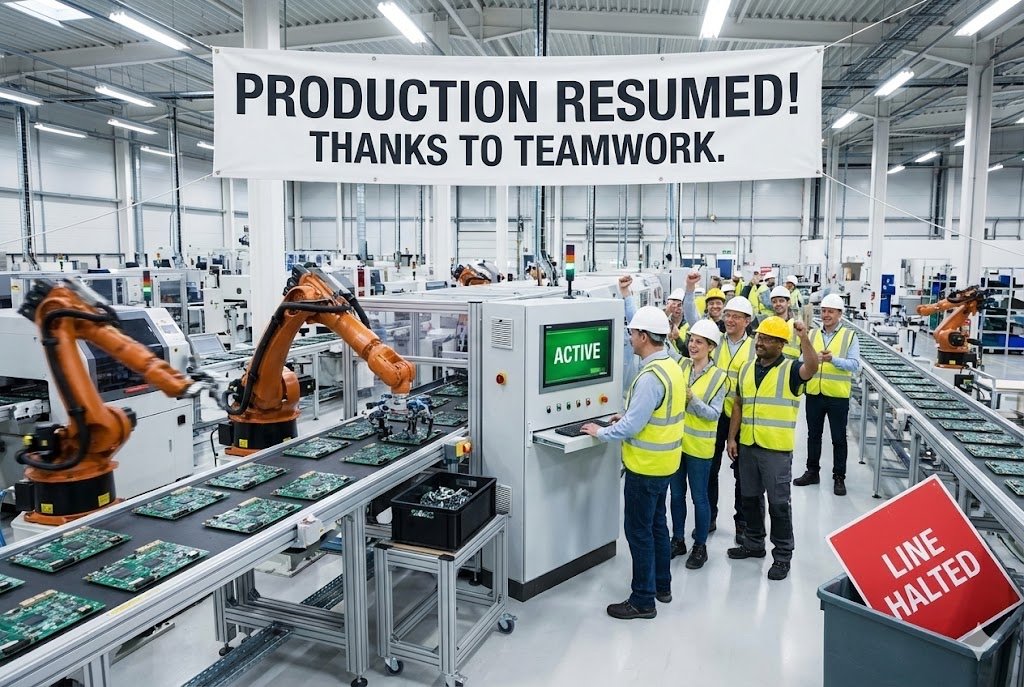
Let's break down the specific situations where we can help the most. We see these scenarios every day with our OEM and manufacturing clients. Your primary sourcing strategy might rely on authorized channels for planning, but a good independent partner is your insurance policy for when things don't go as planned.
During Component Shortages
When the market is tight, authorized distributors2 face allocations. They can only sell what the factory gives them. We are not limited. We can search the entire global market for pockets of available inventory. This gives you a much better chance of finding the parts you need to keep production running.
For Cost Optimization
Your BOM cost is too high, but you're locked into franchise pricing. We can analyze your BOM and source the same original components from the open market, often at a lower price point. We leverage global price differences and excess inventory to deliver significant cost savings without sacrificing quality.
When Managing Obsolete Parts
A key part in your design just went End-of-Life (EOL). An authorized distributor will just tell you it's discontinued. We specialize in lifecycle support. We can help you source EOL components for last-time buys or continued service and repair needs, extending the life of your product and avoiding a costly redesign.
How Can You Mitigate Risks with Independent Distributors?
Are you worried about counterfeit parts from the open market? This fear stops many from using independent distributors3, even when they need them. A professional partner makes all the difference.
The key to mitigating risk is to work with a reputable independent distributor who has a robust quality control13 system. A trustworthy partner will not just be a trader; they will be a quality gatekeeper. They will have strict supplier vetting processes and in-house inspection capabilities.
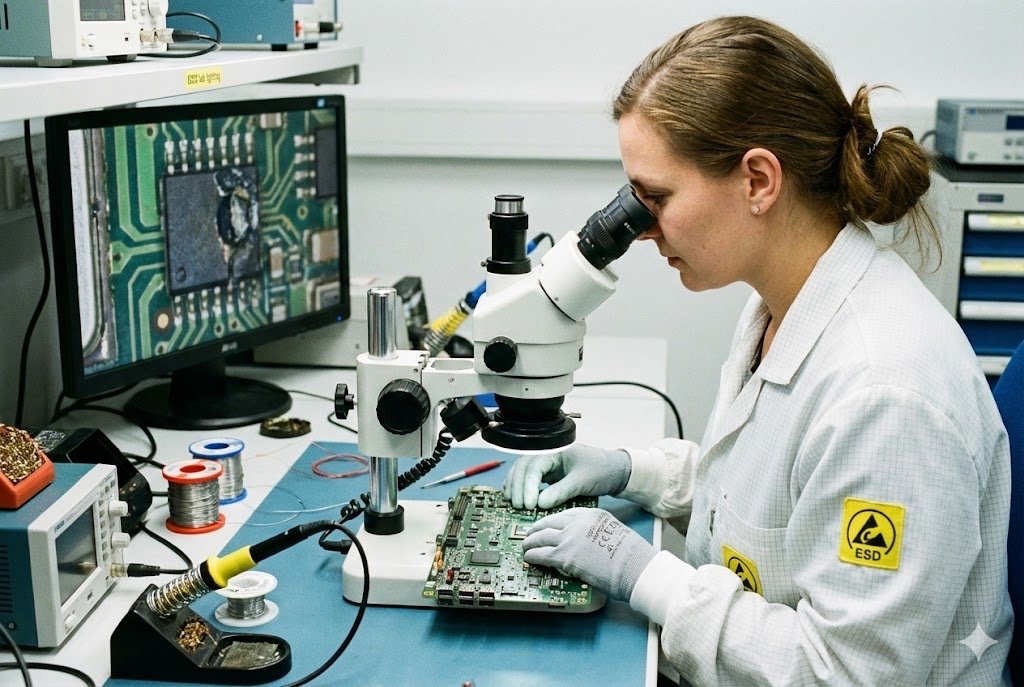
At NexCir, we built our business around trust and quality, because we primarily serve industrial and OEM customers who cannot afford failures. We don't just find a part and ship it. We manage the entire quality assurance process14. It starts with who we buy from. We only work with suppliers who have passed our rigorous qualification process. We don't buy from anonymous sellers on public platforms.
Then, every part that comes into our facility goes through a detailed inspection. This isn't just a quick visual check. We perform a series of tests to verify authenticity and quality. This process is essential for giving our clients peace of mind. Choosing a partner based on their quality commitment, not just the lowest price, is the single most important step you can take to source safely from the open market.
Our Quality Control Checklist
| Step | Action | Purpose |
|---|---|---|
| 1. Supplier Vetting | We audit and qualify every supplier in our network. | To ensure we only source from reliable and trusted channels. |
| 2. Documentation Review | We check labels, date codes, and lot numbers against manufacturer data. | To verify chain of custody and part history. |
| 3. Visual Inspection | Microscopic examination of part markings, body, and pins. | To detect signs of remarking, resurfacing, or physical damage. |
| 4. Functional Testing | When required, we arrange for electrical testing or X-ray analysis. | To provide the highest level of assurance that the part is authentic and functional. |
Conclusion
Ultimately, the best supply chain5 uses both authorized and independent distributors3. They each play a unique role in creating a strategy that is both secure and flexible for your business.
Get insights on key factors to evaluate when selecting a component supplier for your projects. ↩
Explore the advantages of authorized distributors, including factory support and access to the latest technology. ↩
Learn how independent distributors offer flexibility and cost savings, making them a valuable sourcing option. ↩
Explore methods and resources for locating hard-to-find components efficiently. ↩
Understand the critical role of a resilient supply chain in maintaining production efficiency and cost-effectiveness. ↩
Explore the significance of traceability in ensuring quality and compliance in manufacturing. ↩
Find out how technical support from authorized distributors can enhance your sourcing experience. ↩
Discover how MOQs can impact your sourcing strategy and budget. ↩
Learn about the relationship between factory schedules and component availability in the market. ↩
Learn about the impact of lead times on your production and how to manage them effectively. ↩
Identify typical supply chain issues and effective solutions to keep your production on track. ↩
Explore the factors leading to component shortages and strategies to mitigate their impact. ↩
Learn about essential quality control practices to ensure the authenticity and reliability of components. ↩
Discover the steps involved in a robust quality assurance process to ensure component reliability. ↩


