You need computing power, but AI chips are too rare. This delays your production line. Do not worry. The focus is moving to 2nm capacity. I can explain this shift.
The next hard currency in the chip market is 2nm Gate-All-Around capacity1. AI demands push current limits. The shift to 2nm causes huge supply gaps2. Buyers must secure 2nm allocations early. These early buyers will control the future of high-performance electronics.
This change will disrupt the whole supply chain. You might think your current 5nm stock is safe. I thought the same thing last year. But a massive price shock3 is coming soon. Let us look at what will happen next.
Why Will 2nm GAA Capacity Become the New Hard Currency?
You want faster devices, but current chips hit a physical wall. This limits your new designs. The 2nm GAA process solves this by packing more power into less space.
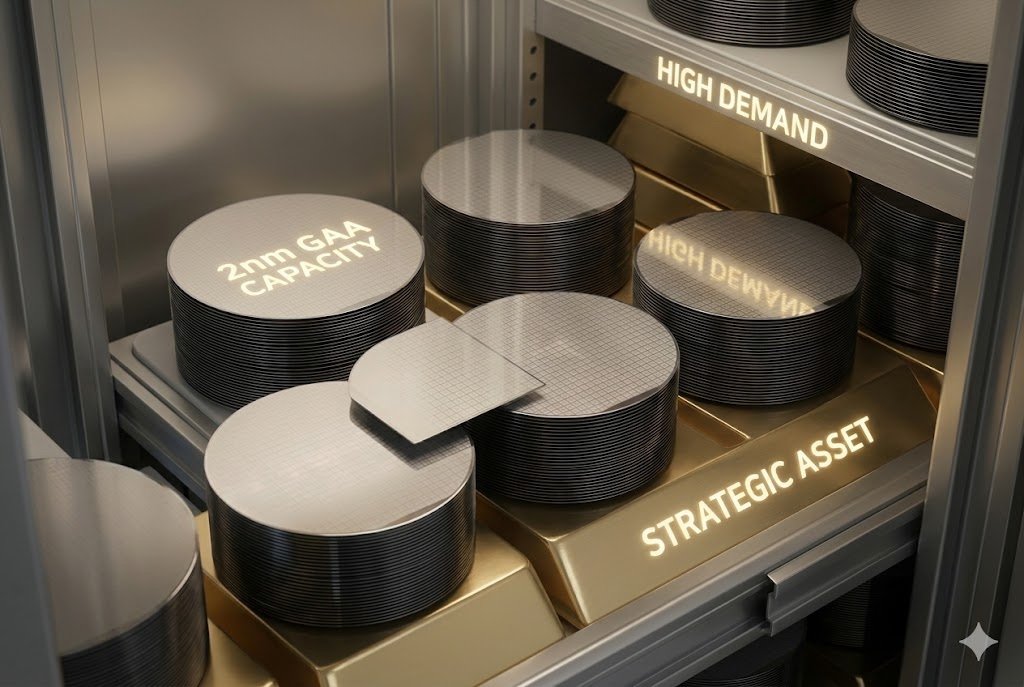
The 2nm GAA capacity will become the new hard currency. It offers unmatched power efficiency and speed4 for AI and mobile devices. Only a few top foundries can make them. This extreme scarcity makes 2nm wafers5 more valuable than finished products in the tech world.
The Real Value of 2nm Chips
You must understand why 2nm is different. We are not just making things smaller. We are changing how electricity flows. I worked in the supply chain for 20 years. I saw many node shrinks. But this one is special. AI models need massive data. Old chips burn too much power. The 2nm node reduces power use. It also boosts speed. This creates a huge demand gap.
H100 vs 2nm GAA6 Capacity
The market focus is shifting. Last year, everyone wanted Nvidia H100 GPUs. Now, the bottleneck is the actual 2nm factory capacity. You must secure wafer space. Otherwise, you cannot make new AI chips. Let us look at the differences.
| Feature | H100 Era | 2nm GAA Era |
|---|---|---|
| Main Bottleneck | GPU Packaging | Wafer Fab Capacity |
| Key Buyers | Cloud Data Centers | Edge AI, Mobile, Auto |
| Market Risk | High Premium Prices | Total Supply Cutoff |
| Value Focus | Finished Product | Raw Production Space |
The table shows a clear shift. You need to secure factory space. You do not just need finished chips. You might wait too long. Then, you will pay a massive premium. I always tell my clients to look at the raw capacity. That is where the real power lives. You must plan your procurement early. This secures your future production.
How Will the Shift From FinFET to GAA Impact Spot Prices?
You expect stable prices, but new chip designs cause production errors. These errors ruin your budget. The shift to GAA architecture will make spot market prices7 jump up and down.
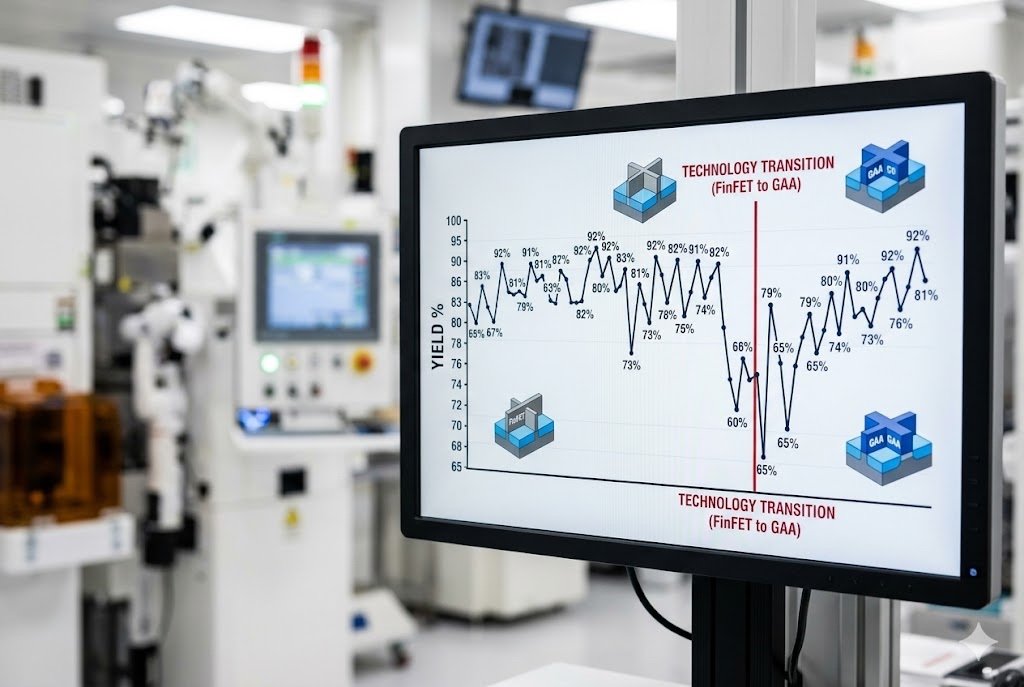
The shift from FinFET to GAA architecture will cause huge yield fluctuations8. Factories will struggle to make perfect chips at first. This low yield means fewer chips hit the market. Spot prices will skyrocket for available stock. Then, prices will dive when production finally stabilizes.
The Architecture Problem
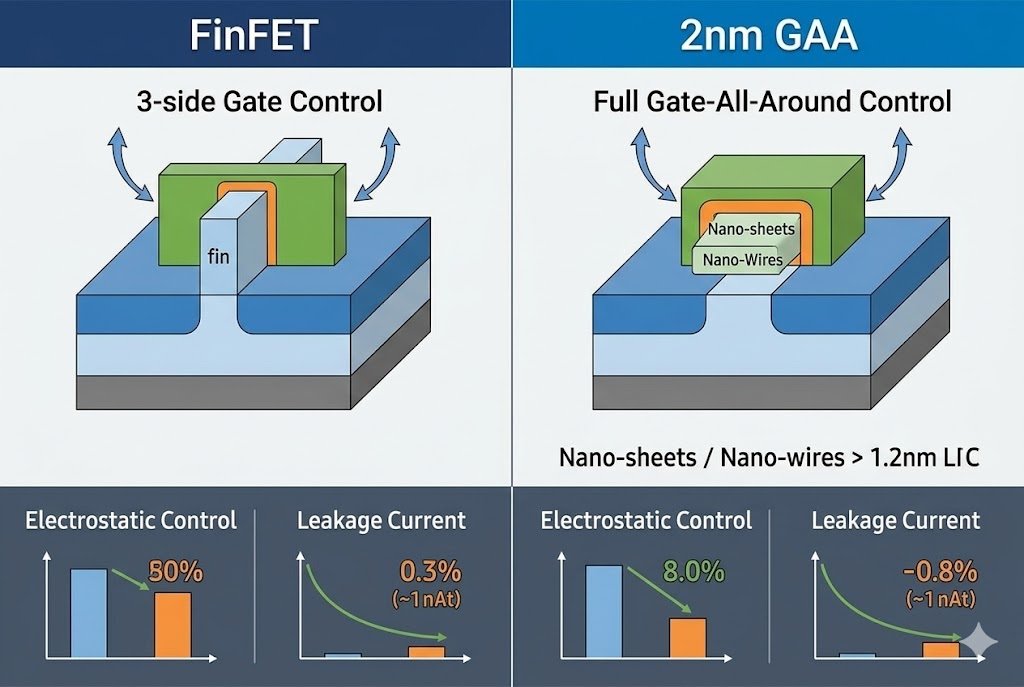
Moving from FinFET to Gate-All-Around (GAA)9 is very hard. FinFET uses three sides to control current. GAA surrounds the channel on all four sides. This sounds great for performance. But it is a nightmare for factories. The early production runs will fail often. I remember the industry move to FinFET. We saw the exact same chaos. Yields dropped. Prices went crazy.
Spot Market Chaos
Factories will throw away bad chips. Then, supply drops fast. Buyers panic. They go to the spot market. This drives prices very high. Later, the factory fixes the problem. Suddenly, millions of chips flood the market. Prices crash. You must prepare for this extreme cycle.
| Factory Stage | Yield Rate | Spot Market Action | Price Impact |
|---|---|---|---|
| Early Production | Very Low (< 50%) | Panic Buying | Massive Surge |
| Learning Curve | Medium (50-70%) | Hoarding | High & Volatile |
| Mature Process | High (> 80%) | Dumping Stock | Sudden Crash |
You must not buy large stocks during the panic phase. You should wait for the mature process. I help my OEM clients track these yield rates. You can know the factory yield. Then, you know the future price. You can buy when the price is low. This saves your company a lot of money.
Will the 2026 Sell-Off Wave Crash 5nm and 7nm Prices?
You hold old chip stock, but new tech makes it useless. This ties up your money. In 2026, companies will dump 5nm and 7nm chips to buy 2nm.
Yes, a massive sell-off wave in late 2026 will crash the prices of 5nm and 7nm chips. Top companies will move to 2nm GAA. They will dump their old inventory. This creates a huge oversupply of older nodes in the secondary market.

The Great Inventory Dump10
We will see a huge shift in late 2026. Big tech companies will move their main products to 2nm. They will not need their 5nm and 7nm stock anymore. They will sell these older chips. This frees up cash. I saw this cycle before with older chips. The market will flood with cheap parts.
Opportunities for Smart Buyers
This crash hurts sellers. But it helps buyers in other industries. Industrial, automotive, and IoT products do not need 2nm chips. They work perfectly fine with 5nm or 7nm.
| Industry | Need for 2nm | Action in 2026 | Benefit |
|---|---|---|---|
| Smartphones | High | Buy 2nm | Top Performance |
| Cloud AI | High | Buy 2nm | Power Efficiency |
| Automotive | Low | Buy 5nm/7nm | Huge Cost Savings |
| IoT Devices | Low | Buy 5nm/7nm | Cheap Upgrades |
You might make IoT devices11. Do not buy expensive chips now. Wait for 2026. You will get amazing 5nm chips for very low prices. You need a reliable distributor. They must verify these parts are completely original. I always check the parts for my clients. This stops fake chips12 from entering your factory. You can upgrade your old designs. You can use better chips for the same cost. This gives you a big advantage over your competitors.
How Can Procurement Managers Survive the Coming 2nm Chip Crisis?
You face supply shortages, and fake chips12 flood the market. This puts your projects at risk. You must build a flexible and safe supply chain strategy today.
Procurement managers13 can survive by partnering with experienced global distributors. You must secure long-term supply programs early. You should avoid the spot market during yield drops. You must verify every part to avoid counterfeits. Smart planning prevents production delays and keeps your costs stable.

Build a Safe Supply Network
The next few years will test every buyer. The 2nm parts will get scarce. Then, bad actors will sell fake chips12. You must protect your production line. At my company, we only use authorized channels. You must do the same. Never buy from unknown sources just for a low price.
Smart Sourcing Rules14
You need a clear plan. First, lock in prices for older parts before the panic starts. Second, watch the 2nm yield reports. Third, keep cash ready for the 2026 dump. I always advise my hardware engineers to design with multiple approved parts. One chip might disappear. Then, you can use another.
| Strategy | Action | Result |
|---|---|---|
| Supplier Choice | Use vetted global partners | Guaranteed authentic parts |
| Timing | Avoid early 2nm spot market | Save money and avoid bad yields |
| Design | Approve alternative parts | Uninterrupted production lines |
| Old Stock | Buy 5nm/7nm in late 2026 | Lower procurement costs |
You must stay calm. The market will go crazy. But you can use clear rules and a trusted partner15. Then, you can turn this crisis into a big advantage. You will have parts when others do not. You will keep your costs low. Your production line will never stop. This builds trust with your own customers. They will see you as a reliable supplier. This is how you win in a hard market.
Conclusion
The shift to 2nm GAA will disrupt supply and prices. Prepare for yield issues and the 2026 sell-off. Plan smart, use trusted partner15s, and protect your supply chain now.
Understanding 2nm Gate-All-Around capacity is crucial as it represents the future of high-performance electronics, offering unmatched power efficiency and speed. ↩
Exploring supply gaps helps you understand the challenges in securing 2nm allocations, which are vital for controlling future electronics production. ↩
Learning about price shocks prepares you for potential financial impacts in the chip industry, especially with the transition to 2nm technology. ↩
Power efficiency and speed are key benefits of 2nm chips, making them highly valuable for AI and mobile devices. ↩
2nm wafers' scarcity and advanced technology make them more valuable, influencing the tech world's future. ↩
Comparing H100 and 2nm GAA capacity highlights the shift in market focus and the importance of securing wafer space. ↩
Spot market prices can skyrocket or crash, affecting procurement strategies and financial planning. ↩
Understanding yield fluctuations helps you anticipate market changes and price volatility during the transition to GAA architecture. ↩
GAA technology represents a significant advancement in chip design, offering better performance but posing manufacturing challenges. ↩
The Great Inventory Dump in 2026 will create opportunities for buyers to acquire older chips at lower prices. ↩
IoT devices can benefit from cheaper 5nm and 7nm chips, making them cost-effective for upgrades. ↩
Avoiding fake chips is crucial for maintaining production quality and protecting your supply chain. ↩
Procurement managers need strategies to secure authentic parts and avoid market pitfalls during the 2nm transition. ↩
Smart Sourcing Rules help you navigate the volatile chip market, ensuring cost savings and uninterrupted production. ↩
A trusted partner ensures you receive authentic parts and helps you navigate market challenges effectively. ↩