Overheating chips fail quickly and ruin your reputation. Are you struggling to choose between surface mount and through-hole packages for your power designs? This decision impacts your production costs directly.
The eDIP-12 (VG) package is optimized for surface mount efficiency1 and PCB heat spreading2, while the eSIP-7 (EG) allows for robust external heatsinking3. Your choice determines thermal performance4 and manufacturing compatibility5.
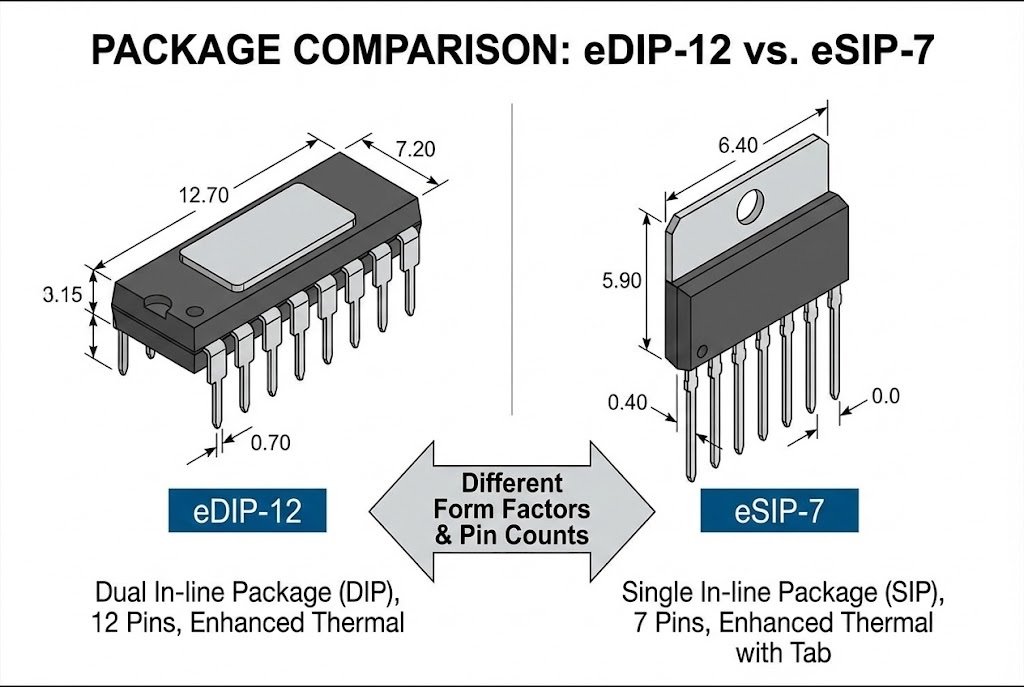
I have seen many engineers pick parts based only on electrical specs. They often ignore the package type until it is too late. This mistake causes assembly headaches6 and heating issues later in the project. In my time at Nexcir, I have helped clients fix these specific design errors. Let me explain the differences clearly so you can make the right choice.
Why is the eDIP-12 (VG) package better for automated manufacturing?
Manual assembly slows down production lines and increases errors. Do you want to reduce labor costs and speed up your daily output significantly?
The eDIP-12 (VG), used in parts like TOP266VG, is designed for surface mount technology (SMT). It allows for high-speed automated placement and uses the PCB copper for heat dissipation7.
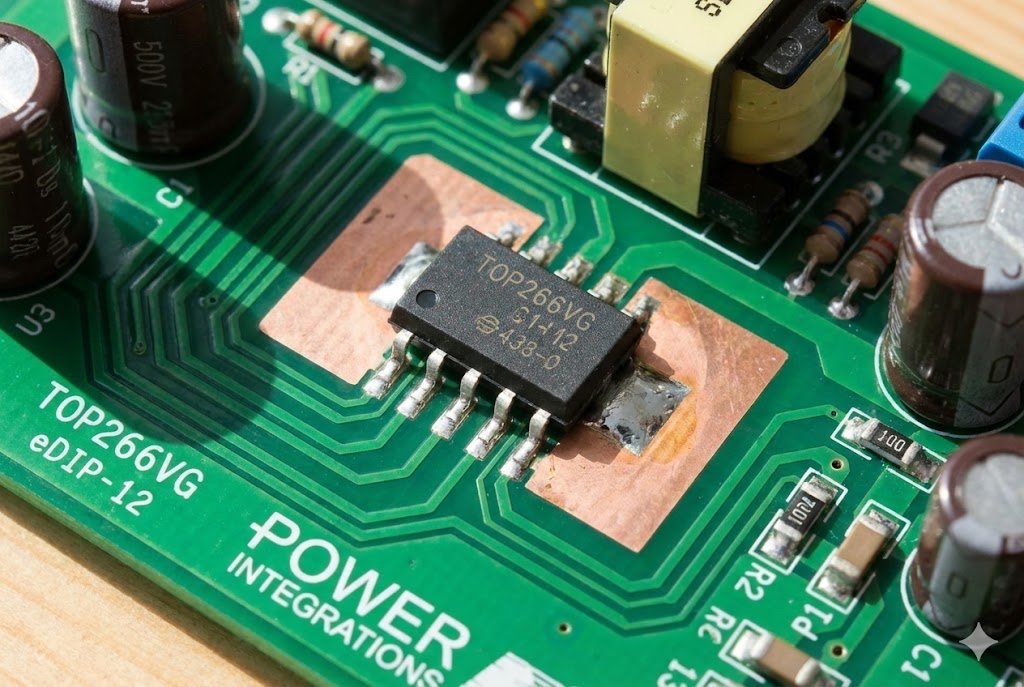
I want to dive deeper into the specific benefits of the eDIP-12 package, specifically looking at the TOP266VG model. This is a classic example of how packaging changes the manufacturing game. In our warehouse at Nexcir, we see high demand for the VG series because modern factories love automation.
The SMT Advantage
The "VG" suffix usually indicates a low-profile, surface-mount package. The eDIP-12 allows you to use pick-and-place machines8. These machines are fast and precise. You do not need a human worker to insert the part into holes on the board. This cuts down your labor cost per unit.
Heat Management via PCB
However, you must be careful with heat. The eDIP-12 does not attach to a big metal heatsink easily. Instead, it transfers heat directly to the copper on your Printed Circuit Board (PCB). The source pins are connected to the internal lead frame. You need to design a large copper area on your board9 to act as a heat spreader. If your board is small and crowded, the chip might get too hot.
Cost vs. Space Analysis
Here is a breakdown of how this package affects your design decisions:
| Feature | eDIP-12 (VG) Impact |
|---|---|
| Assembly Method | Reflow Soldering10 (Automated) |
| Heat Dissipation | Uses PCB Copper Area |
| Height Profile | Low (Good for slim cases) |
| Labor Cost | Low |
| PCB Space | Requires more horizontal space for copper |
At Nexcir, we advise customers to use this package when they have enough board space for cooling but limited vertical height. It is perfect for slim adapters and chargers.
When is the eSIP-7 (EG) package the superior choice for heat dissipation7?
High-power applications generate dangerous heat levels that copper pads cannot handle. Are you worried about your power supply overheating inside a small, enclosed plastic shell?
The eSIP-7 (EG), seen in the LNK417EG, is a through-hole package. It stands vertically and allows easy attachment to large metal heatsinks using clips, handling higher thermal loads effectively.
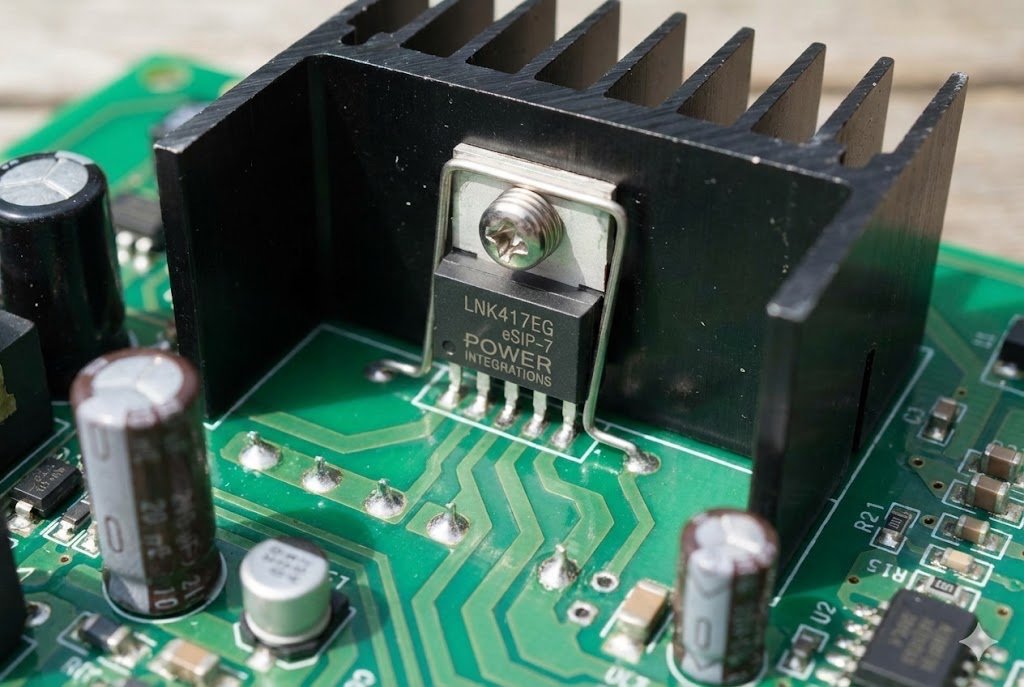
Now, let us look at the other side of the coin with the LNK417EG. This part uses the eSIP-7 package, often denoted by the "EG" suffix. I remember a project where a client tried to use an SMD part in a high-power industrial LED driver. It kept shutting down due to thermal overload. We suggested switching to an eSIP equivalent, and the problem disappeared.
Vertical Thermal Structure
The eSIP-7 stands up like a flag on your board. The back of the package is a metal tab. This tab is electrically quiet in many designs, but its main job is thermal transfer. You can use a metal clip to press this package against a large aluminum heatsink. This moves heat away from the chip much faster than PCB copper can.
Mechanical Stability
Because this is a through-hole part, the pins go through the board. This provides strong mechanical hold. However, the real benefit is the ability to use "bulk" cooling. If your device runs at high power for a long time, the air inside the case gets hot. An external heatsink attached to the eSIP-7 can dump this heat more effectively.
Comparison of Thermal Limits
When you choose the EG package, you are prioritizing thermal safety11 over board height.
- eDIP-12: Limited by the amount of copper you can put on the board.
- eSIP-7: Limited only by the size of the heatsink you can fit in the case.
This makes the LNK417EG ideal for industrial power supplies where reliability is more important than making the device as thin as possible.
How should you choose between Reflow and Wave Soldering?
Mismatched components ruin soldering quality and slow down your factory. Does your factory complain about mixed assembly processes causing delays and extra costs?
Your package choice dictates the soldering method. eDIP-12 fits standard reflow ovens, while eSIP-7 requires wave soldering12 or selective soldering13. Aligning this with your factory's capabilities is crucial.
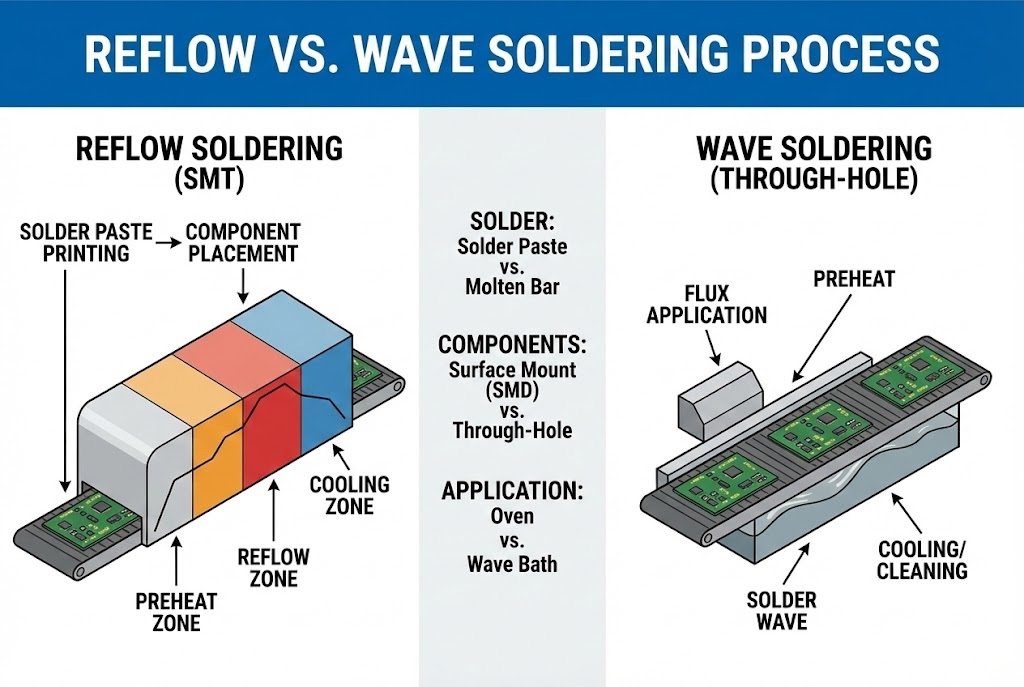
This is the most critical insight I can share with you today. Selection is not just about power or heat; it is about the "Process Flow." At Nexcir, we tell our clients: Don't just look at the datasheet; look at your factory floor.
The Mixed-Technology Problem
If you choose the TOP266VG (eDIP-12), your factory can print solder paste, place the part, and put the whole board in a reflow oven. It is one smooth step.
If you choose the LNK417EG (eSIP-7), you introduce a new step. You cannot put a through-hole part in a standard reflow oven easily. You have two choices:
- Wave Soldering: You pass the bottom of the board over a wave of molten solder. This is fast but requires the whole board to be designed for it.
- Selective Soldering / Hand Soldering: If the rest of your board is SMT, someone has to install this eSIP part by hand or use a special machine. This adds a lot of cost.
Decision Matrix
You need to weigh the thermal benefits against the assembly cost.
| Consideration | eDIP-12 (VG) | eSIP-7 (EG) |
|---|---|---|
| Primary Process | SMT (Reflow) | THT (Wave/Hand) |
| Production Speed | Very Fast | Slower (if mixed) |
| Thermal Ceiling | Moderate | High |
| Ideal Scenario | Consumer electronics, Adapters | Industrial, High-power |
I always ask my customers: "What is your existing line set up for?" If they are 100% SMT, I try to help them make the eDIP work with better copper layout. If they already have a wave soldering12 line, the eSIP is a great, robust choice.
What is the real impact of thermal design on long-term reliability?
Counterfeit parts often fail thermal stress tests14 even if they look real. Are you sure your components can handle the heat over time without dying early?
Proper thermal design extends chip lifespan. Sourcing authentic parts like TOP266VG or LNK417EG from Nexcir ensures the materials match the thermal specifications required for your specific design.
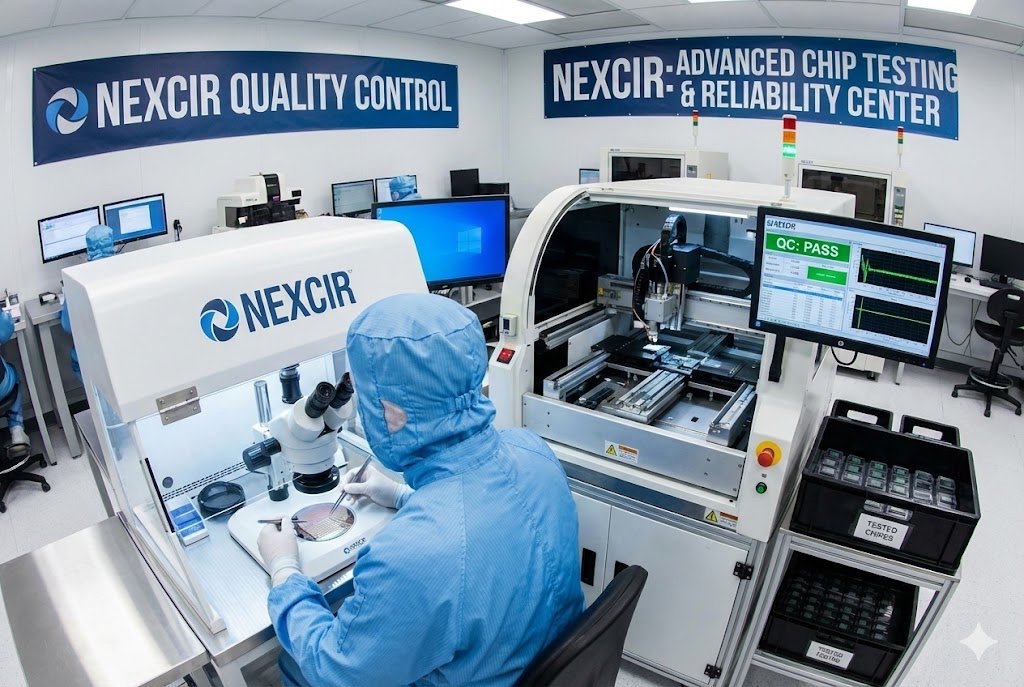
Finally, we must talk about the future. The "Next Future" in our slogan means we want your products to last. Thermal design is the biggest factor in chip lifespan. For every 10 degrees Celsius rise in temperature, the life of a semiconductor is cut in half. This is a rule of thumb we live by.
The Role of Authentic Materials
The package type only matters if the materials are good. A fake TOP266VG might look like an eDIP package, but if the internal lead frame is made of cheap alloy instead of pure copper, it will not conduct heat. It will burn out. A fake LNK417EG might have a back tab that is not flat, creating an air gap between the chip and the heatsink.
Nexcir's Commitment
At Nexcir, we source only from authorized channels. We ensure that:
- Molding Compounds: The black plastic body uses high-quality epoxy that handles thermal expansion without cracking.
- Lead Integrity: The pins are plated correctly to ensure good solder joints, which are also heat paths.
- Traceability: We know where the parts came from, so we know they meet the manufacturer's thermal specs.
When you design a system, you are building a thermal chain15. The chip, the package, the solder, the board, and the heatsink are all links in that chain. If you buy a cheap, fake component, you break the chain. We help you keep that chain strong so your end product survives in the real world.
Conclusion
Choose eDIP-12 for automated SMT cost savings, and eSIP-7 for maximum cooling with heatsinks. Nexcir supplies both authentically to secure your product's lifespan.
Understanding surface mount efficiency can help you optimize your production process and reduce costs. ↩
Learn how PCB heat spreading can improve thermal management in your electronic designs. ↩
Explore how robust external heatsinking can enhance the thermal performance of your devices. ↩
Discover the importance of thermal performance in ensuring the reliability and longevity of electronic components. ↩
Find out how manufacturing compatibility can streamline your production process and reduce errors. ↩
Learn strategies to prevent assembly headaches and improve efficiency in your manufacturing process. ↩
Explore various methods for effective heat dissipation to prevent overheating in electronic devices. ↩
Learn how pick-and-place machines can speed up your production and reduce labor costs. ↩
Discover how designing a copper area on your PCB can enhance heat management and prevent overheating. ↩
Understand the Reflow Soldering process to improve your SMT assembly line efficiency. ↩
Explore ways to ensure thermal safety and prevent failures in high-power electronic applications. ↩
Understand the wave soldering process to make informed decisions about your assembly methods. ↩
Learn about selective soldering to choose the best method for your mixed-technology boards. ↩
Learn about thermal stress tests to ensure your components can withstand extreme conditions. ↩
Explore the concept of a thermal chain to improve the thermal management of your electronic systems. ↩