Are you losing big OEM clients? Strict ESG rules block your sales today. I will show you how to pass these audits and win large contracts.
Environmental certificates1 prove your electronic parts meet strict laws. Major Western buyers require them to avoid heavy fines and protect their public image. Without clear ESG proof, you cannot enter their supply chain.
I remember when a big European car client rejected a large batch of chips. The chips were perfect. The price was great. But the supplier lacked a simple green report. That moment taught me a hard lesson. You might have the best prices in the world. But missing paperwork will stop your business completely. The electronics market is changing very fast. Purchasing managers face new stress every day. Let us look at what you really need to know about the new market rules. You must prepare your business for these changes. Do not wait until it is too late.
Are RoHS and REACH2 Still Enough for the Global Market?
Do you think standard rules protect your business? Old certificates fail today. You must understand the new ESG baseline3 to keep your buyers happy.
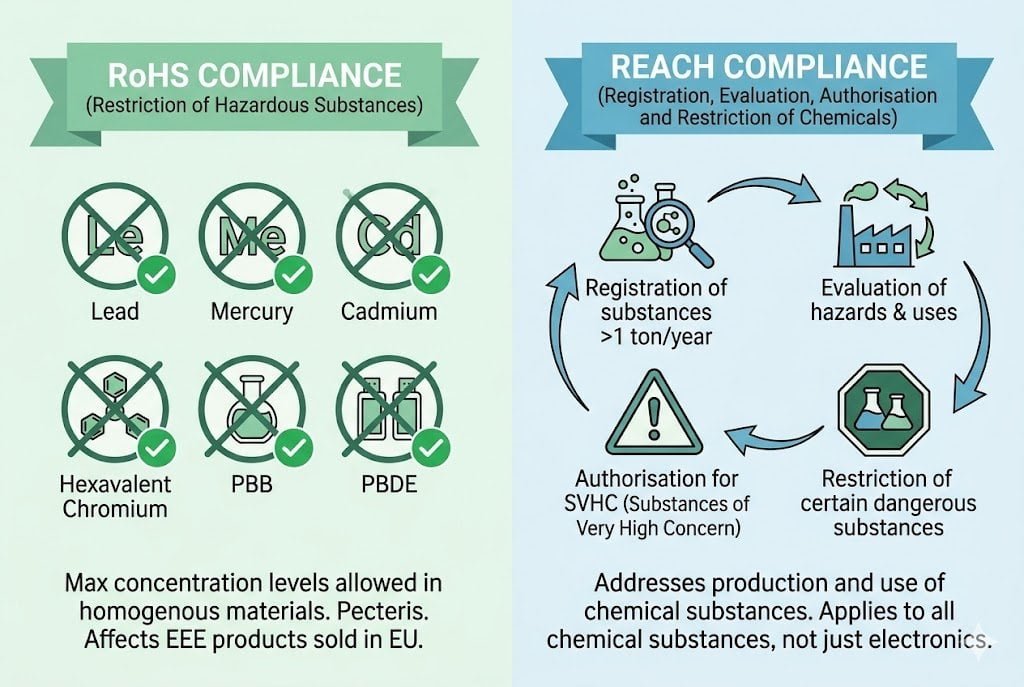
No, RoHS and REACH2 are just the minimum entry tickets now. They ban bad materials. But they do not prove your company is fully green. Modern buyers look past these basic rules. They check your whole business operation.
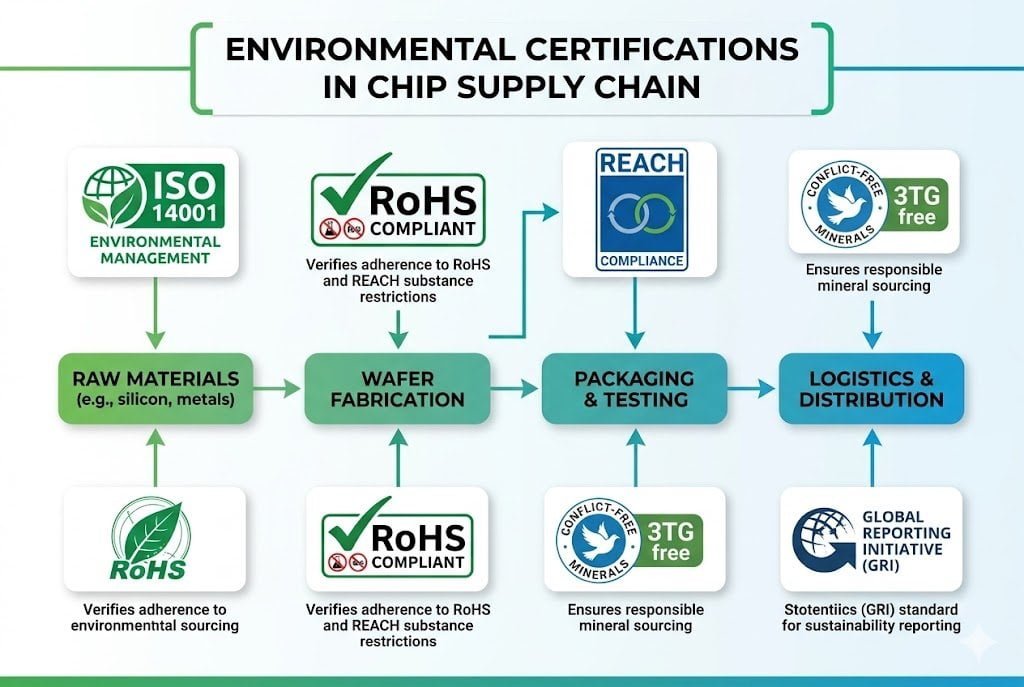
I have worked in the electronic parts industry for over 20 years. In the past, buyers only asked for RoHS and REACH2 papers. If you had them, you got the order. Today, things are very different. OEM purchasing managers4 want more. They ask about labor rights. They ask about water usage. They ask about waste management.
The Shift from Basic to Advanced Rules
You must see the difference between product rules and company rules. RoHS only looks at the physical chip. It checks for lead or mercury. REACH controls chemical risks. These are good rules. But ESG looks at how you run your whole business. A factory might use unfair labor to make a good chip. Western buyers will still reject it. They care about their brand name.
| Standard Type | Focus Area | Buyer Action |
|---|---|---|
| RoHS / REACH | Bad materials in the product | Basic entry requirement |
| Conflict Minerals5 | Sourcing of raw metals | Legal compliance check |
| ESG Audit | Labor, environment, and ethics | Decides long-term partnership |
I always tell my clients at Nexcir6 to prepare early. We buy our parts only from official channels and original makers. We ensure our suppliers meet both material rules and ethical standards. You cannot hide bad practices anymore. A simple factory check can show weak links in your supply chain. You must build trust through total honesty. Buyers want to see your policies. They want to see your training records. They want to know you care about the planet. You need to show good rules. You need to train your workers well. You need to protect the local water supply. Big buyers check all these things. They send experts to look at your factory. If you fail, you lose the client forever. Nexcir6 helps you avoid this. We check our suppliers carefully. We build strong trust. If you ignore this, you will lose your market share.
Will Carbon Footprint Tracking7 Become the Ultimate Barrier in 2026?
Are you worried about future rules? Unseen carbon taxes will kill your profit margins. You need to track your footprint right now to survive.
Yes. By 2026, major buyers will demand full carbon footprint data. They must report their own emissions. This includes their entire supply chain. If you cannot provide exact carbon tracking numbers for your parts, they will drop you.
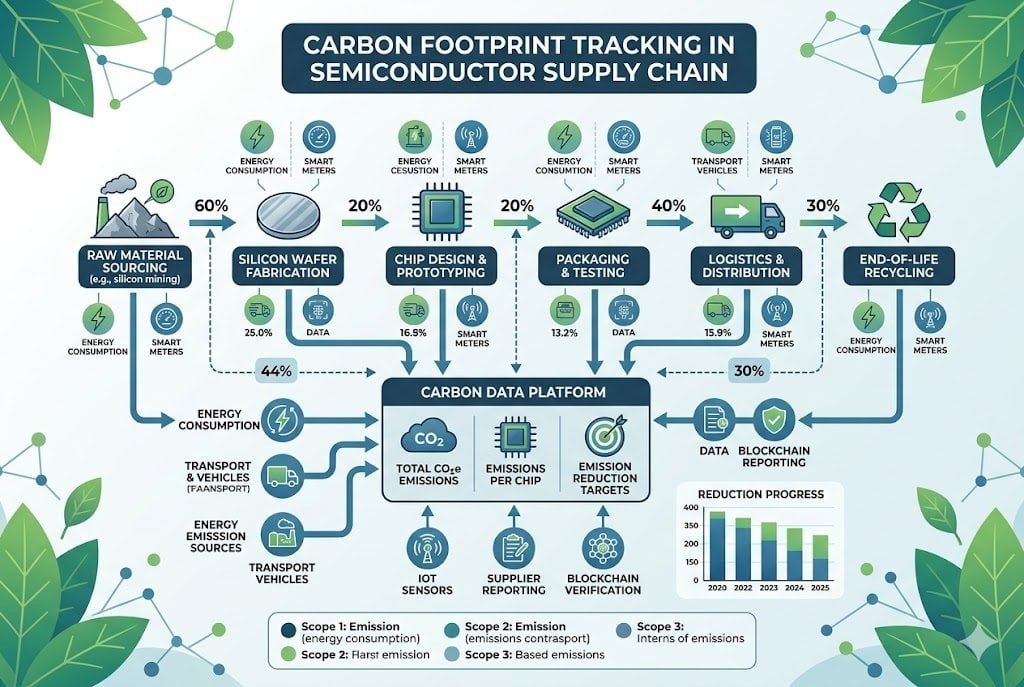
Many hardware engineers and production teams ignore carbon tracking. They think it is just a political trend. I disagree. Carbon tracking is becoming a hard law. The European Union is pushing strict carbon border taxes. They call it CBAM8. By 2026, this will hit the electronics market hard.
Breaking Down Carbon Emissions
Large Western companies measure three types of emissions. They call them Scope 1, Scope 2, and Scope 39. Your chips fall into their Scope 3 category. Your carbon waste becomes their carbon waste. They cannot hide from it.
| Emission Type | What It Means | How It Affects You |
|---|---|---|
| Scope 1 | Direct factory emissions | You must upgrade your machines. |
| Scope 2 | Energy used by your factory | You must buy green power. |
| Scope 3 | Supply chain emissions10 | Buyers will audit your shipping. |
If you cannot show a low carbon number, the buyer will pay a higher tax. They will simply switch to a greener supplier to save money. You might have the best MCU or PMIC on the market. But a high carbon score will kill your deal. At Nexcir6, we help our clients improve their supply chain. We reduce useless shipping. We plan better global delivery. We use direct routes to lower the total carbon footprint of the order. You need a partner who understands these new rules. We track the origin of every component. We give you the data you need to pass these strict audits. You must record how much power you use. You must record how far your parts travel. Every mile adds carbon. Every machine adds carbon. We help you find direct shipping routes. Direct routes use less fuel. Less fuel means a lower carbon score. This makes your buyers happy. This keeps your business safe. You must start collecting your carbon data today. 2026 is coming fast.
Can You Avoid Supply Chain Risks During Strict ESG Audits?
Are you struggling with fake parts? Counterfeit chips11 ruin your ESG score. You must secure clean supply lines to pass every single inspection.
Yes, you can avoid risks by using trusted distributors. Authentic parts come with full tracking records. This proves your parts are legally sourced and safe. Buyers demand this proof to ensure their end products remain reliable.
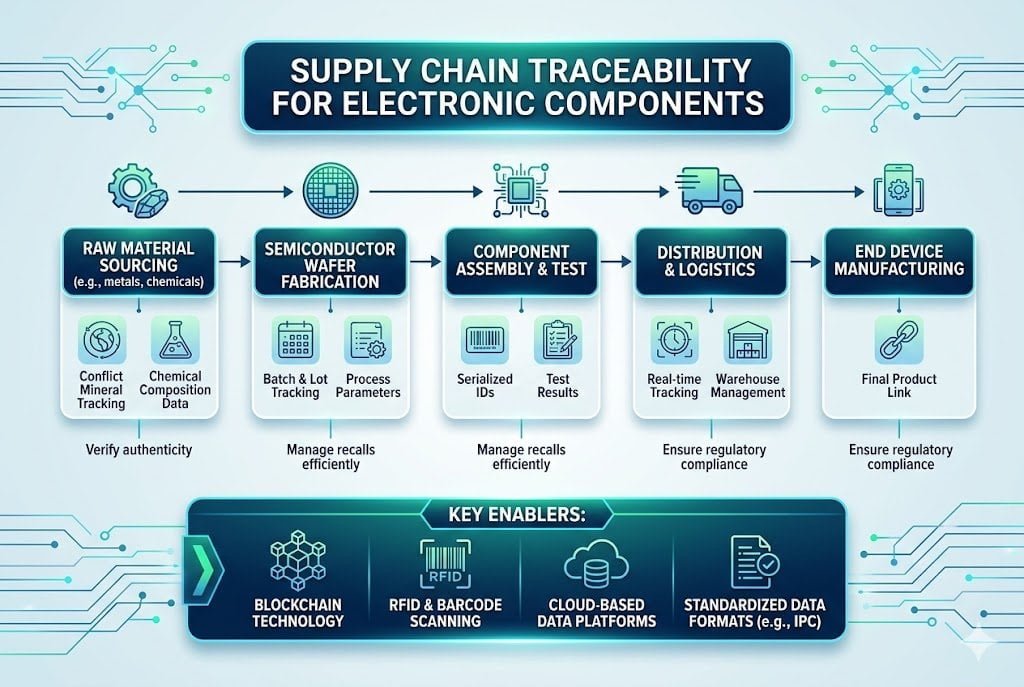
I see many purchasing managers take big risks to save money. They buy cheap parts from unknown sellers. This is a terrible mistake. Fake parts do not have real ESG data. They do not have real RoHS papers. If an auditor finds one fake chip in your factory, you fail the whole audit. Your big client will leave you.
The Value of Total Traceability12
You must prove exactly where every chip comes from. Western buyers are very strict about this detail. They want a clear map of your whole supply chain. We call this full tracking. It is your best defense against audits.
| Sourcing Method | Traceability Level | Audit Result |
|---|---|---|
| Unknown Brokers | Zero proof of origin | Instant audit failure |
| Gray Market | Fake or missing papers | High risk of rejection |
| Authorized Supply13 | Full factory records | Easy audit pass |
My core team has over 20 years of experience in this industry. We know how to protect your business. Nexcir6 promises real parts every single time. We source everything from official distributors and original makers globally. We do not play games with quality or trust. When you buy from us, you get the physical parts and the correct paperwork. We give you the exact origin data for your records. This helps you lower buying risks significantly. It helps you ensure true product quality. You can show this clear data to any European or American auditor with total confidence. We make your supply chain transparent and safe. You must know your partners well. You cannot guess. Guessing ruins your business. We give you solid facts. We give you original factory papers. You can sleep well at night. You know your parts are safe. You know your supply chain is clean. Your buyers will trust you more.
Conclusion
ESG audits are strict, but you can pass them. Track your carbon data now and use trusted suppliers like Nexcir6 to secure your global market share.
Understanding environmental certificates is crucial for entering major Western supply chains and avoiding fines. ↩
Learn why RoHS and REACH are no longer sufficient for global market entry and what additional standards are required. ↩
Discover the new ESG baseline that electronics suppliers must meet to satisfy modern buyers and maintain market access. ↩
Understand the criteria OEM purchasing managers use to evaluate suppliers, including ESG compliance. ↩
Explore the impact of conflict minerals on legal compliance and sourcing in the electronics industry. ↩
Find out how Nexcir supports electronics suppliers in meeting ESG standards and securing market share. ↩
Find out why tracking carbon footprints is becoming essential for electronics suppliers to avoid future penalties. ↩
Learn about the Carbon Border Adjustment Mechanism (CBAM) and its implications for the electronics market. ↩
Understand the different types of emissions and how they affect electronics suppliers' compliance with environmental standards. ↩
Explore the significance of supply chain emissions and their impact on electronics suppliers' ESG compliance. ↩
Understand the risks counterfeit chips pose to ESG audits and how they can damage supplier credibility. ↩
Discover the importance of total traceability in ensuring compliance and passing ESG audits in electronics. ↩
Learn why sourcing from authorized suppliers is crucial for maintaining quality and passing audits in electronics. ↩