Unstable power grids1 destroy sensitive electronics and cost companies millions. You worry about equipment failure and expensive recalls. You need a power solution that withstands sudden voltage spikes2 without burning out.
The TOP271KG-TL solves this by using an integrated 725V MOSFET3. This high voltage rating provides a safety buffer against surges and wide input voltage swings. It ensures your industrial equipment stays safe even when the power grid is unstable, making it better than standard 650V options.
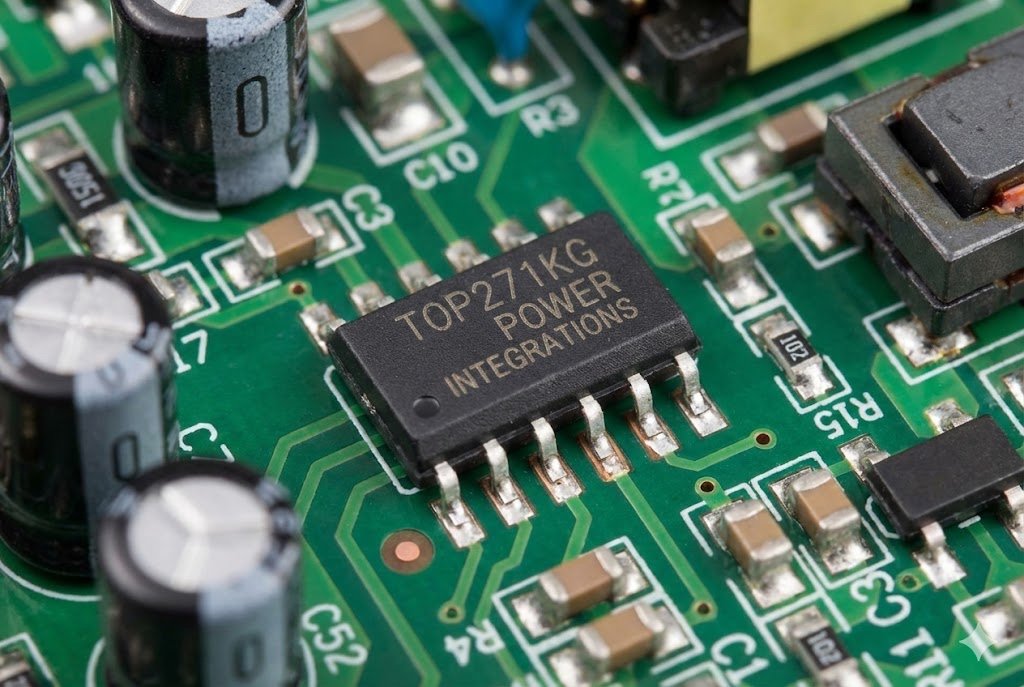
I have worked in the electronics industry for over 20 years. I have seen many power supply designs fail because engineers trusted the grid too much. The power grid is not perfect. It changes all the time. If you design a product for a perfect world, it will fail in the real world. This is why we need to talk about the TOP271KG-TL. It offers a specific solution to a common problem. Let us look at why this component is different and how it helps you.
Why Are Industrial Power Grids So Dangerous for Electronics?
Factories use heavy machines that create electrical noise4. These machines start and stop constantly. This creates sudden spikes in voltage that can destroy your standard power supply units instantly.
Industrial environments often suffer from 380V input offsets5 or frequent surges from inductive loads6. A standard power supply cannot handle these spikes. You need a component designed to withstand these harsh conditions to prevent expensive downtime and repairs.
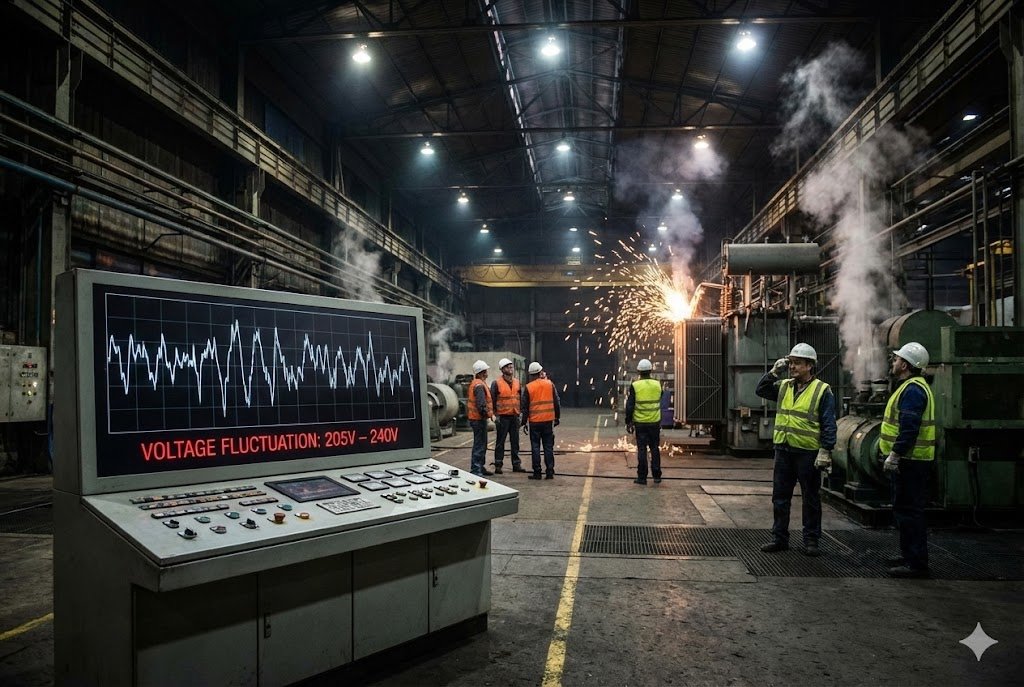
I want to explain why the industrial environment is so hard on electronics. In a standard home, the voltage is relatively stable. But in a factory, things are different. Large motors, welding machines, and heavy pumps are inductive loads6. When they turn off, they send a "kick" back into the power line. This is a voltage surge7.
Also, in many parts of the world, the grid infrastructure is old or overloaded. Sometimes, a neutral wire breaks8. When this happens, a standard 220V line can float up to 380V or higher. This is called an input offset. If your power supply is designed only for 220V or 240V with a tight margin, it will fail. The internal switch will break down, and the magic smoke will come out.
At Nexcir, we source components for clients who build smart meters and automation equipment. They tell us that field failures9 are their biggest nightmare. A failure means a technician must drive to a remote site. This costs time and money. The root cause is often a voltage spike that exceeded the rating of the power MOSFET. We need to look at the numbers to understand the risk.
Common Grid Risks
| Risk Type | Cause | Impact on Standard 650V MOSFET |
|---|---|---|
| Inductive Surge10 | Heavy motors turning off | Voltage spike exceeds breakdown voltage; immediate failure. |
| Neutral Loss | Wiring fault in the building | Input rises to line-to-line voltage (approx 380V); thermal overload. |
| Lightning Strike11 | Weather events | Massive energy spike; requires high blocking capability. |
You must assume the grid will be bad. You cannot rely on the power company to give you clean power. You must build the protection into your device. This is where critical thinking about your component selection comes in. You need a part that expects the worst.
How Does the 725V MOSFET Provide Superior Protection?
Most offline switcher chips use 650V switches. This is often not enough for harsh places. The TOP271KG-TL adds extra room for safety with a massive 725V rating.
The 725V MOSFET allows for a larger safety margin. When the input voltage hits 265VAC, the stress on the component is high. The extra 75V capability prevents damage during voltage spikes, ensuring the device continues to work reliably.
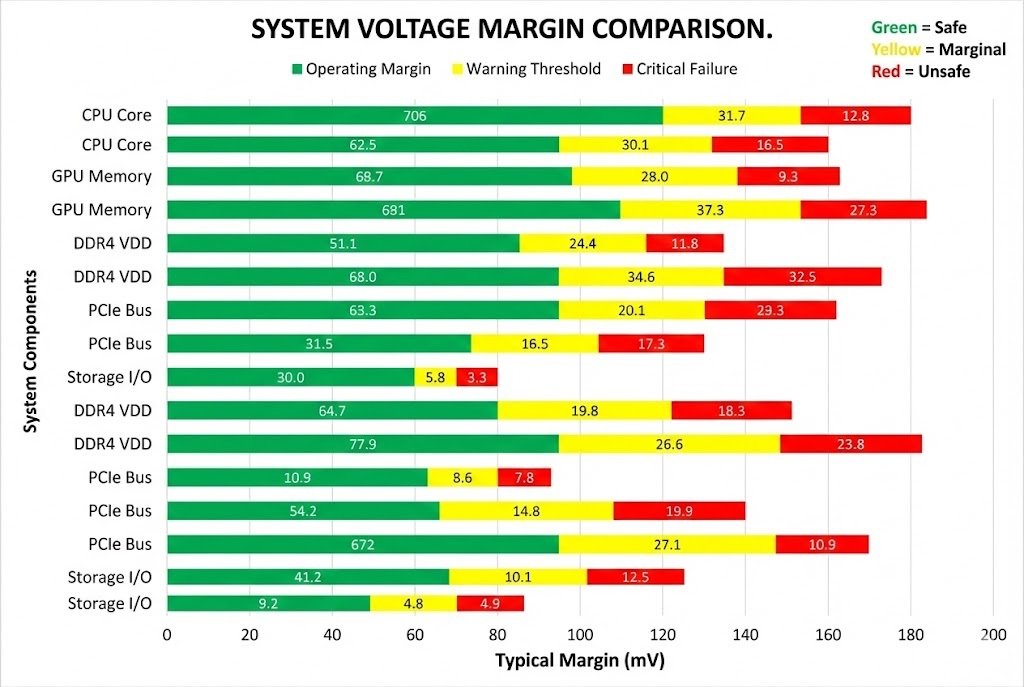
Let us dive deep into the technical specifications. This is the most important part of the TOP271KG-TL. Most standard AC-DC converters use a MOSFET rated for 600V or 650V. In theory, this sounds like enough. The peak voltage of 265VAC is about 375V.
However, you must add the reflected voltage from the transformer output. This is often another 100V to 150V. Now you are at 525V. You also have leakage inductance spikes. Suddenly, you are sitting at 600V during normal operation. If you use a 650V part, you only have 50V of room left. That is a very small safety margin.
The TOP271KG-TL integrates a 725V MOSFET. This changes the game. At the same operating point, you now have 125V of headroom. This is a massive difference. It is more than double the safety margin of the standard part.
The Value of "Derating12"
In engineering, we use a rule called "derating." We never want to run a component at 100% of its limit. We want to run it at 80% or 90%.
- Standard 650V Part: Operating at 600V is 92% of the limit. This is risky.
- TOP271KG 725V Part: Operating at 600V is only 82% of the limit. This is safe.
This "margin design" is critical for long-term reliability. A part running at 82% stress will last much longer than a part running at 92% stress. It handles heat better. It handles aging better. When a sudden surge comes from the grid, the 725V part can swallow it. The 650V part will likely short circuit.
I always advise my clients at Nexcir to look at the breakdown voltage first. It is the first line of defense. You cannot fix a low breakdown voltage with software. It is a physical limit. By choosing the 725V option, you are building a stronger foundation for your power supply.
Can Wide Voltage Redundancy Lower Your BOM Costs?
High reliability usually costs more money. You might think you need expensive external filters. But this chip helps you save money on extra parts.
This "margin design" balances reliability and cost. The chip handles fluctuations internally. This means you do not need as many external surge protection components. You get a simpler board layout and a lower Bill of Materials (BOM)13 cost.
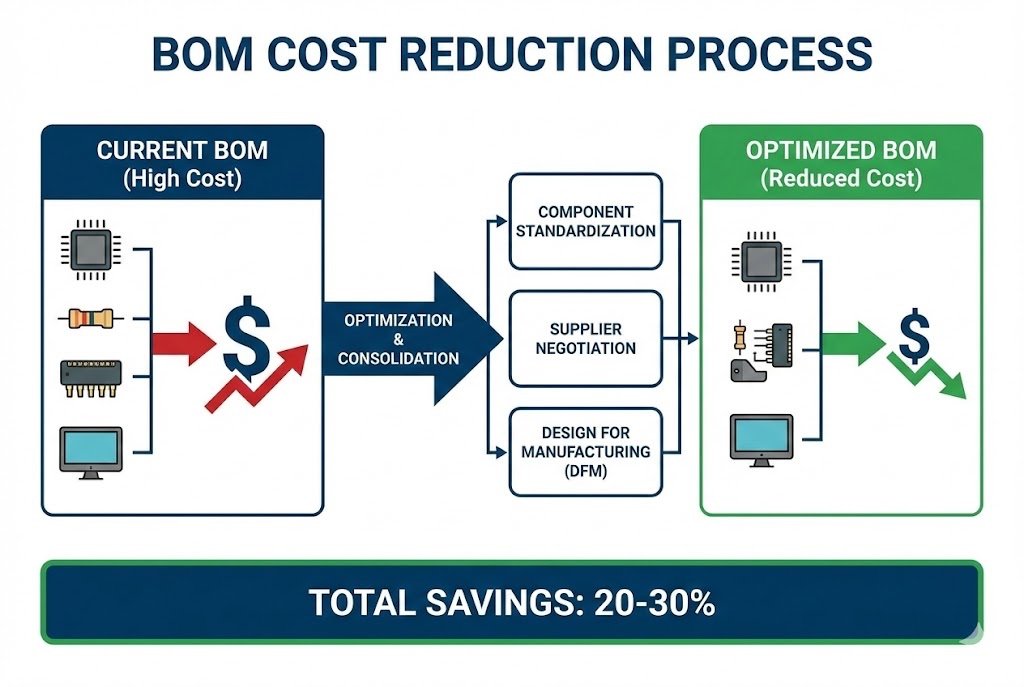
You might ask, "Why not just add a big surge protector outside the chip?" You can do that. But it costs money. It takes up space on the PCB. In modern electronics, space is tight. You want to make things smaller and cheaper.
The TOP271KG-TL allows you to optimize your Bill of Materials (BOM)13. Because the chip itself is tougher, you do not need to over-engineer the input stage.
- Reduced MOVs: You might be able to use a smaller Metal Oxide Varistor (MOV)14 because the chip can handle higher residual voltage.
- Simplified Snubber: The snubber circuit protects the MOSFET from spikes. With a higher voltage rating, you can relax the design of the snubber. This means cheaper capacitors and diodes.
- PCB Space: Fewer parts mean a smaller board. A smaller board means a smaller enclosure. This saves money on plastic and metal.
Balancing Cost and Quality
At Nexcir, we talk about value expectations. Our customers want to lower procurement costs. But they also want to reduce risk. This chip is the optimal solution. It sits right in the middle. It is not the most expensive part, but it saves you money on the total system.
If you use a cheap 650V chip, you spend more on protection components. If you use the TOP271KG-TL, you spend a little more on the chip, but you save on the rest of the board.
BOM Comparison Table
| Component Area | Standard Design (650V) | TOP271KG Design (725V) |
|---|---|---|
| Input Filter | Heavy duty, expensive | Standard, cost-effective |
| Snubber Circuit | Precision components needed | Standard components acceptable |
| Heatsink | Often larger due to stress | Can be smaller or integrated |
| Total Complexity | High | Low |
This is how you use critical thinking to save money. You do not just look at the price of one part. You look at the price of the whole design. The wide voltage redundancy of the TOP271KG-TL gives you the freedom to design a cheaper, yet more reliable, board.
Is This the Best Solution for Smart Meters and Automation?
Smart meters15 run 24/7. They cannot turn off. They sit outside or in factories. They need the most robust power solution available today.
The TOP271KG-TL is ideal for electricity meters and automation equipment. These devices face constant grid noise. The chip ensures long-term operation without maintenance. This reduces the risk of field failures9 in remote or hard-to-reach locations.
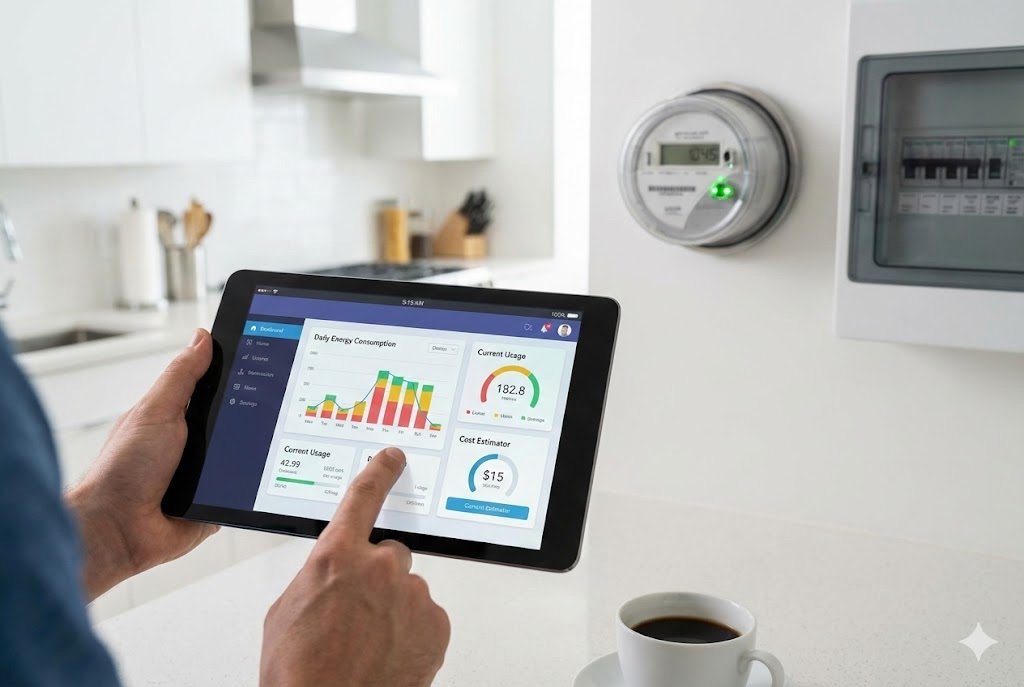
Let us talk about the specific application. My clients who build smart meters have a very hard job. A smart meter is installed on a house or a utility pole. It stays there for 10 or 15 years. It is exposed to lightning, grid switching, and brownouts. It cannot be easily replaced.
If a smart meter fails, the utility company loses revenue. They also have to pay a truck roll to fix it. Reliability is the number one requirement. The TOP271KG-TL is famous in this sector. The "TL" package is designed for compact spaces, which is perfect for meters.
Why Industrial Automation Needs This
In industrial automation, downtime is the enemy. If a PLC (Programmable Logic Controller) stops working because the power supply blew up, the whole production line stops. This can cost thousands of dollars per hour.
- Robustness: The 725V rating handles the inductive kicks from nearby motors.
- Efficiency: The chip is part of the TOPSwitch-JX family. It is very efficient across the load range. This keeps the cabinet cool. Heat is the enemy of electronics.
- Standby Power: Smart meters15 need to consume very little power when they are idle. This chip has EcoSmart technology16. It is energy efficient.
We verify the authenticity of every TOP271KG-TL we ship. We know that in these critical applications, a fake chip is a disaster. We ensure that the parts come from authorized channels. We want our customers to have confidence.
Application Suitability Matrix
| Feature | Smart Meter Requirement | Industrial Automation Requirement |
|---|---|---|
| High Voltage Rating | Essential for outdoor grid surges | Essential for inductive load spikes |
| Small Form Factor | Critical for compact meter housing | Important for dense control cabinets |
| High Efficiency | Required for thermal management | Required for system reliability |
| Long Lifecycle | Must last 10+ years | Must match machine lifespan |
The TOP271KG-TL is not just a chip. It is a strategic choice for high-reliability markets. It aligns with our vision at Nexcir: "Next Circuit, Next Future17." We help you build the future of the grid by supplying the parts that can survive it.
Conclusion
The TOP271KG-TL uses a 725V MOSFET to handle grid fluctuations, ensuring safety and reducing BOM costs, making it the perfect choice for reliable industrial and metering designs.
Understanding the impact of unstable power grids can help you protect sensitive electronics and avoid costly failures. ↩
Learn about the causes of sudden voltage spikes to better safeguard your equipment from unexpected power surges. ↩
Discover how an integrated 725V MOSFET provides superior protection against voltage surges in industrial environments. ↩
Learn how electrical noise from heavy machinery can lead to power supply failures and how to mitigate it. ↩
Explore the concept of input offsets and their potential to cause equipment failure in industrial settings. ↩
Understand the role of inductive loads in creating voltage surges and how to manage them effectively. ↩
Find out how voltage surges can lead to immediate failure of electronic components and how to prevent it. ↩
Learn about the risks associated with neutral wire breaks and how they can lead to voltage offsets. ↩
Discover the common causes of field failures and how to minimize them in remote installations. ↩
Understand the effects of inductive surges on electronic components and how to protect against them. ↩
Learn about the impact of lightning strikes on power grids and the necessary protection measures. ↩
Explore the concept of derating and its significance in ensuring long-term reliability of components. ↩
Find out how wide voltage redundancy can lead to cost savings in the Bill of Materials for electronic designs. ↩
Learn about the function of MOVs in protecting electronics from voltage spikes and how to optimize their use. ↩
Understand the challenges faced by smart meters in fluctuating power grids and how to enhance their reliability. ↩
Explore the advantages of EcoSmart technology in improving energy efficiency and reducing power consumption. ↩
Discover the philosophy of 'Next Circuit, Next Future' and how it drives innovation in electronic components. ↩