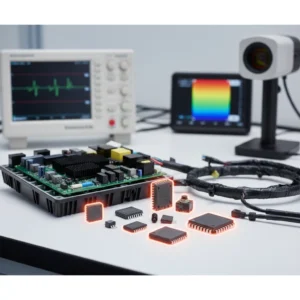
Your production line is down over one tiny, obsolete part. Every minute of delay costs money, and the open market feels like a minefield of fakes and false promises.
The best way to manage risk is with a three-part strategy. First, partner with a sourcing specialist1 who focuses on verification, not just sales. Second, implement strict incoming quality control2. Finally, always validate the supplier's credentials3 and traceability4 for every hard-to-find component you purchase.
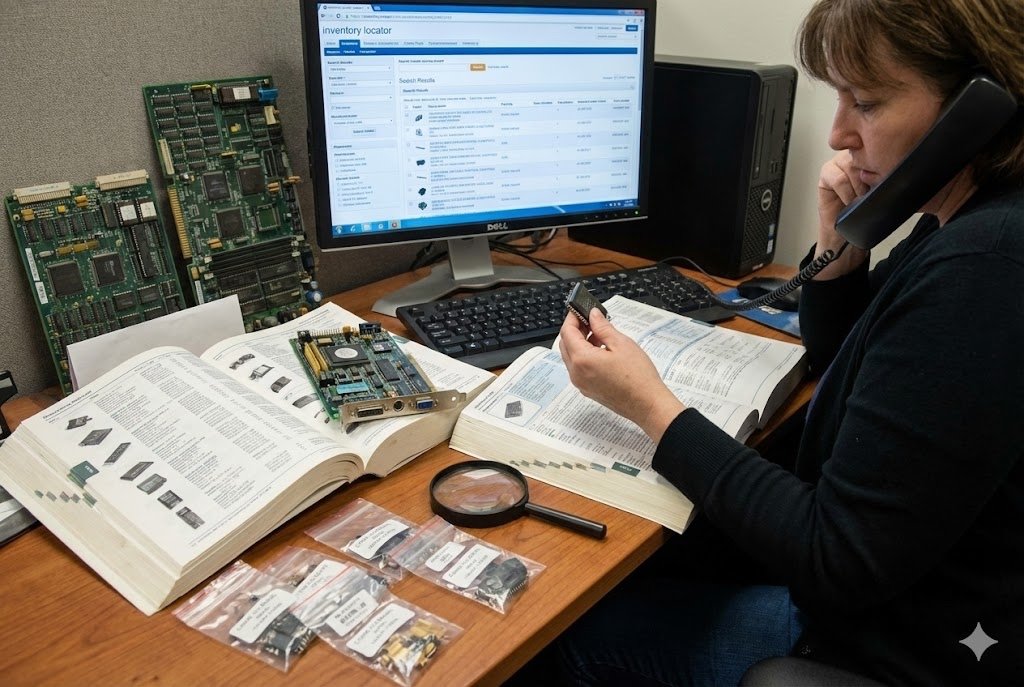
Finding these components is only half the battle. The real challenge is finding them safely and reliably. The risks are significant, but with a clear plan, you can protect your production and your reputation. Let's explore how to build a strong defense against these supply chain threats5.
What Are the Biggest Risks When Sourcing Obsolete Components?
You found a supplier for that End-of-Life part, but you have a bad feeling. A wrong purchase could mean shipping a faulty product and damaging your brand's reputation forever.
The biggest risks are financial, operational, and reputational. You might receive counterfeit or refurbished parts that fail in the field. This leads to production shutdowns, costly recalls, and a complete loss of customer trust. These are not just component risks; they are business-ending risks.
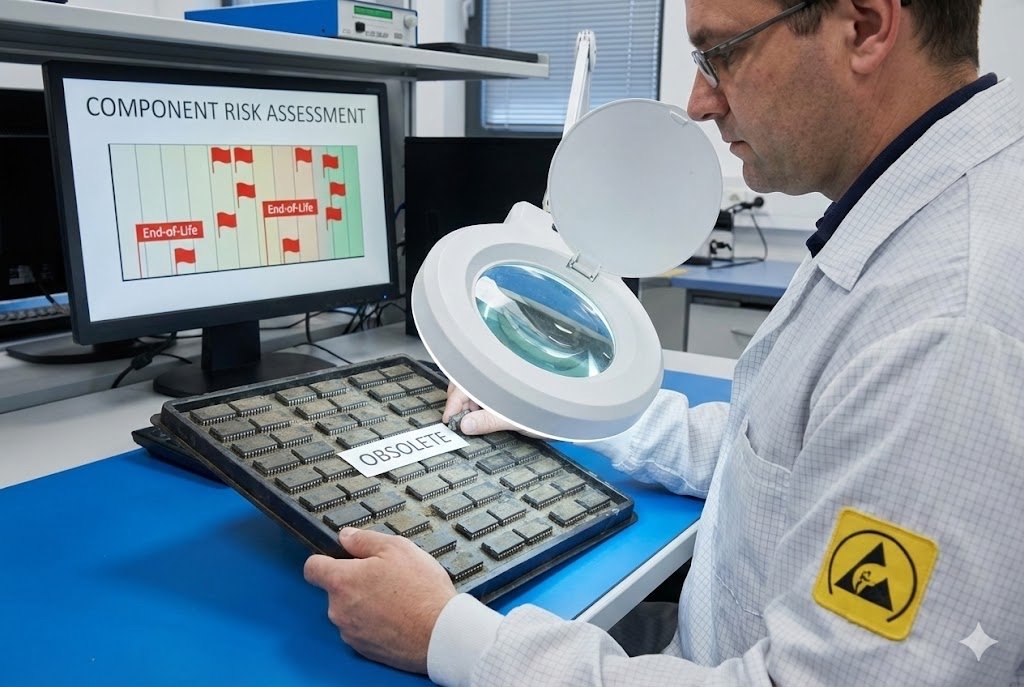
When you are forced to buy outside of authorized channels, you expose your entire business to a new level of risk. I once worked with a client in the industrial controls space. They bought a batch of obsolete microcontrollers from an unknown broker to keep an older product line running. The parts worked in testing but started failing in the field after just a few months. The broker was gone, and my client was left with a massive recall and a damaged reputation. This is why we must think beyond just "finding the part." The focus has to be on mitigating the very real dangers. These dangers fall into three main categories that every procurement team should understand.
Breaking Down the Core Risks
| Risk Category | Description | Real-World Impact |
|---|---|---|
| Financial Risk | This is the most direct risk. It includes paying for components that are fake, damaged, or do not meet specifications. But it also includes the hidden costs of rework, re-testing, and the labor wasted dealing with bad parts. | Your company loses the money spent on the components and pays double or triple that amount in labor and operational costs to fix the problem. |
| Operational Risk | This risk affects your ability to produce and deliver products. A batch of faulty components can shut down your entire production line for days or weeks. It causes missed deadlines and puts stress on your relationship with your customers. | A line-down situation can cost thousands of dollars per hour. It creates a backlog that is difficult to clear and can lead to penalty clauses in your contracts. |
| Reputational Risk | This is the most dangerous long-term risk. If a faulty component makes it into your final product, it can fail in the field. This leads to product recalls, warranty claims, and a loss of trust from your customers that can take years to rebuild. | A product recall can destroy brand credibility. Your customers will question the quality of all your products, not just the one that failed. |
How Do You Avoid Counterfeit and Refurbished Parts?
That price for a "new" obsolete chip seems too good to be true. You know that installing a fake or refurbished part could destroy your entire product batch and your budget.
Avoid fakes by never trusting the lowest price. Work with a sourcing partner6 who provides full traceability4 and conducts rigorous testing. Always demand documentation and use a multi-step verification process7, including visual inspection8 and functional testing, before the parts ever reach your production line.

The open market is full of parts that have been remarked, refurbished, or are outright fakes. A low price is often the bait. The only way to protect yourself is with a systematic process of verification. A reliable sourcing partner6 should manage this for you, but it’s important for you to understand what a solid verification process looks like. It is not a single step; it is a series of checkpoints designed to catch problems before they impact your business. I remember a case where we were sourcing a specific power management IC. The markings looked perfect, but our standard X-ray inspection showed inconsistent die sizes across the batch—a clear sign of fakes. That simple, non-destructive test saved the client from a major quality disaster.
A Multi-Step Verification Process
Step 1: Supplier Vetting
Before you even talk about parts, you need to vet the supplier. Are they a known entity? Do they have a history of providing quality components? Do they have transparent business practices? As a sourcing partner6, we maintain a database of thousands of global suppliers, and each one is graded based on past performance, quality certifications9, and industry reputation. We simply do not buy from unvetted or low-scoring suppliers.
Step 2: Documentation Review
Never accept parts without a clear paper trail. At a minimum, you need a Certificate of Conformance (CoC) and full traceability4 back to the original source. We review all documentation to ensure it is authentic and matches the parts being offered. Any inconsistencies here are a major red flag.
Step 3: Physical and Electrical Testing
This is where you separate the good from the bad. A good process includes:
- Visual Inspection: Looking for inconsistencies in markings, logos, date codes, and package quality.
- X-Ray Inspection10: A non-destructive way to check for internal consistency, such as die size and wire bonding.
- Decapsulation: A destructive test used on a sample to expose the internal die and verify the manufacturer's markings.
- Electrical Testing: Verifying that the component functions according to its datasheet specifications.
How Can You Build a Reliable Sourcing Process for EOL Components?
Your team scrambles every time a component goes End-of-Life (EOL). This reactive approach is stressful, inefficient, and leaves you exposed to the worst parts of the open market.
Build a reliable process by being proactive, not reactive. Start with lifecycle monitoring for key components in your BOM. Establish relationships with trusted sourcing partner6s before you have a crisis. Define clear internal quality assurance protocols11 for any non-franchised buys to ensure consistency and safety.

The best way to handle a fire is to prevent it from starting. The same is true for component shortages12. A reactive sourcing strategy is a losing strategy. It guarantees you will pay higher prices and accept higher risks. A proactive process, on the other hand, puts you in control. One of our customers in the automotive sector used to face this problem every year. We worked with them to implement a lifecycle monitoring system for the top 50 critical parts in their main products. Now, they get a six-to-twelve-month warning before a part goes obsolete, giving them plenty of time to plan a last-time buy13 or qualify an alternative. This simple shift from reactive to proactive has saved them hundreds of thousands of dollars and countless hours of stress.
Key Pillars of a Proactive Sourcing Process
Pillar 1: Proactive Lifecycle Monitoring
You cannot plan for a problem you do not see coming. Use BOM monitoring tools or work with a sourcing partner6 who provides market intelligence. The goal is to receive advance notice of Product Change Notifications14 (PCNs) and End-of-Life (EOL) announcements. This gives you time to make strategic decisions, such as placing a final order (last-time buy13) or starting the process of designing in an alternative component.
Pillar 2: A Pre-Vetted Partner Network
The middle of a line-down crisis is the worst time to be searching for a new supplier. You should identify and build relationships with sourcing specialist1s before you need them. A good partner is more than a vendor; they are an extension of your procurement team. They understand your needs, your quality standards, and can act quickly when a problem arises. We see ourselves as a long-term partner, not a one-time transactional supplier.
Pillar 3: A Standardized Inbound QA Protocol
Every component purchased from the open market should be treated as a potential risk. Create a clear, non-negotiable quality assurance checklist for your receiving department. This protocol should define the required documentation, the visual inspection8 steps, and the criteria for when to escalate a batch for more advanced third-party testing. This ensures every open-market purchase is handled with the same level of scrutiny, regardless of who the supplier is.
Why Is a Sourcing Partner a Key Part of Your Risk Strategy?
You're a hardware engineer or procurement manager, not a counterfeit detective. Trying to navigate the global gray market alone is a full-time job with huge potential downsides and stress.
A sourcing partner6 acts as your dedicated risk management team. We don't just find parts; we vet suppliers, manage global logistics15, and perform the necessary quality checks. This saves you time, dramatically reduces your risk of buying bad components, and gives you access to a global network you couldn't build alone.
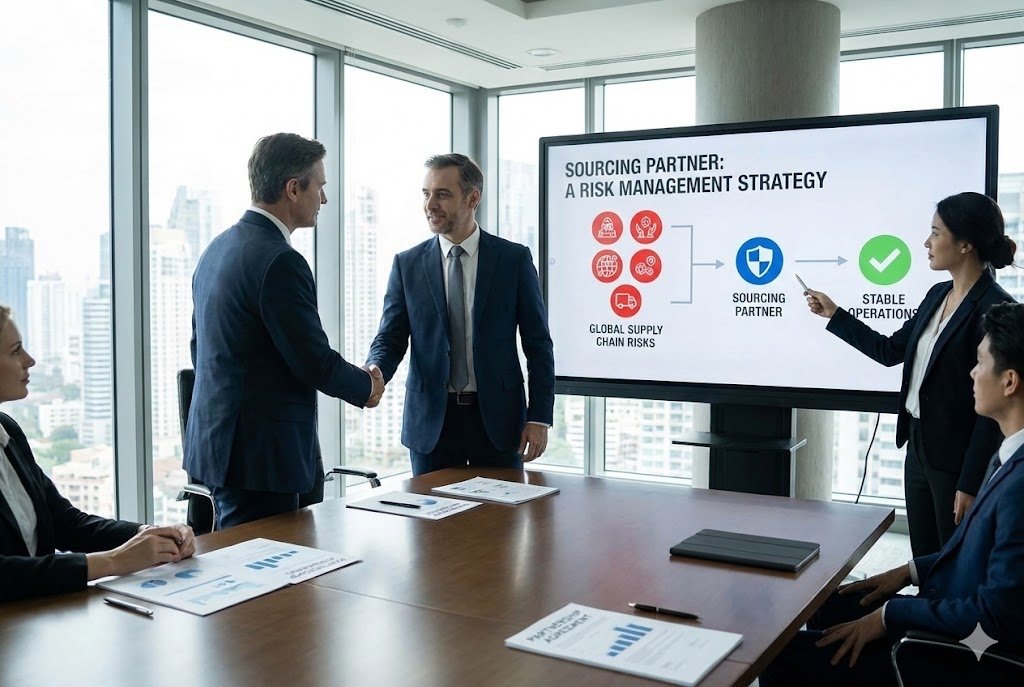
Trying to manage open-market sourcing internally is a massive resource drain. Your team has other critical responsibilities. Asking them to become experts in counterfeit detection and global supplier vetting is inefficient and risky. A specialized sourcing partner6 takes this entire burden off your shoulders. We are not a broker simply pushing inventory. Our value is in our capability, our network, and our execution. Think of us as your sourcing intelligence unit16. We had a new client who was spending almost 30% of their senior buyer's time chasing obsolete parts. After partnering with us, that buyer was able to refocus on strategic cost-down initiatives and new supplier negotiations, while we handled the high-risk sourcing in the background. It's about using the right expertise for the right job.
The True Value of a Sourcing Partner
1. Expertise and Network Access
We live in this market every day. We know the reputable players17 and the ones to avoid. We have a global, vetted network of suppliers that would take a single company years to build. This network gives us access to inventory that is not available on public search engines, often with better traceability4 and quality.
2. Independent and Aligned Incentives
As a sourcing partner6 that is not a stockist, our goal is aligned with yours: find the best possible part from the most reliable source. We are not motivated to push our own excess inventory. Our success is measured by the quality and reliability of the components we deliver, which makes us an objective advocate for your business.
3. A Single Point of Accountability
When you buy from ten different brokers, who is responsible when something goes wrong? A sourcing partner6 provides a single point of contact and accountability. We manage the entire process, from vetting the original supplier to final inspection. If there is an issue, you have one partner to work with to resolve it, simplifying the process and ensuring you are protected. This consolidation of risk is one of the most valuable services we provide.
Conclusion
Managing obsolete component risks is possible with the right strategy. Focus on proactive planning, strict verification, and a trusted sourcing partner6 to secure your supply chain and keep production moving.
Understanding the role of a sourcing specialist can help you mitigate risks in your supply chain. ↩
Learn best practices for incoming quality control to ensure component reliability and safety. ↩
Validating supplier credentials is crucial for avoiding counterfeit components and ensuring quality. ↩
Traceability ensures accountability and quality in the supply chain, reducing risks. ↩
Identifying supply chain threats is crucial for developing effective risk management strategies. ↩
A sourcing partner can streamline your procurement process and reduce risks significantly. ↩
A multi-step verification process is essential for ensuring the authenticity of components. ↩
Learn how to perform visual inspections to catch potential issues before they escalate. ↩
Familiarizing yourself with quality certifications can help ensure component reliability. ↩
X-Ray Inspection is a powerful tool for detecting internal inconsistencies in components. ↩
Implementing strong QA protocols can safeguard your production from faulty components. ↩
Learn strategies to effectively manage component shortages and maintain production flow. ↩
A last-time buy strategy can help you secure critical components before they go obsolete. ↩
Understanding PCNs helps you stay ahead of component changes and avoid shortages. ↩
Understanding global logistics can help you navigate the complexities of sourcing components. ↩
A sourcing intelligence unit can enhance your procurement strategy and reduce risks. ↩
Identifying reputable suppliers is key to sourcing reliable components and avoiding scams. ↩