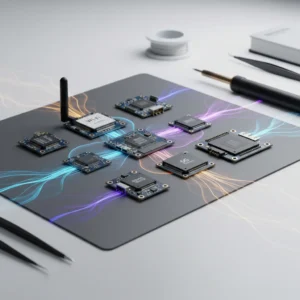
Are you struggling to find genuine ATMEGA microcontrollers1? The risk of using old, oxidized parts can halt your production. We connect you directly to new, authentic components.
To secure original ATMEGA32A-AU2 and ATMEGA64A-AU3 with fresh date codes4, you must work with a supplier that sources directly from authorized distributors5. This method guarantees new, factory-sealed components, bypassing the risks of old inventory like oxidation6 and ensuring full traceability7 for your production.
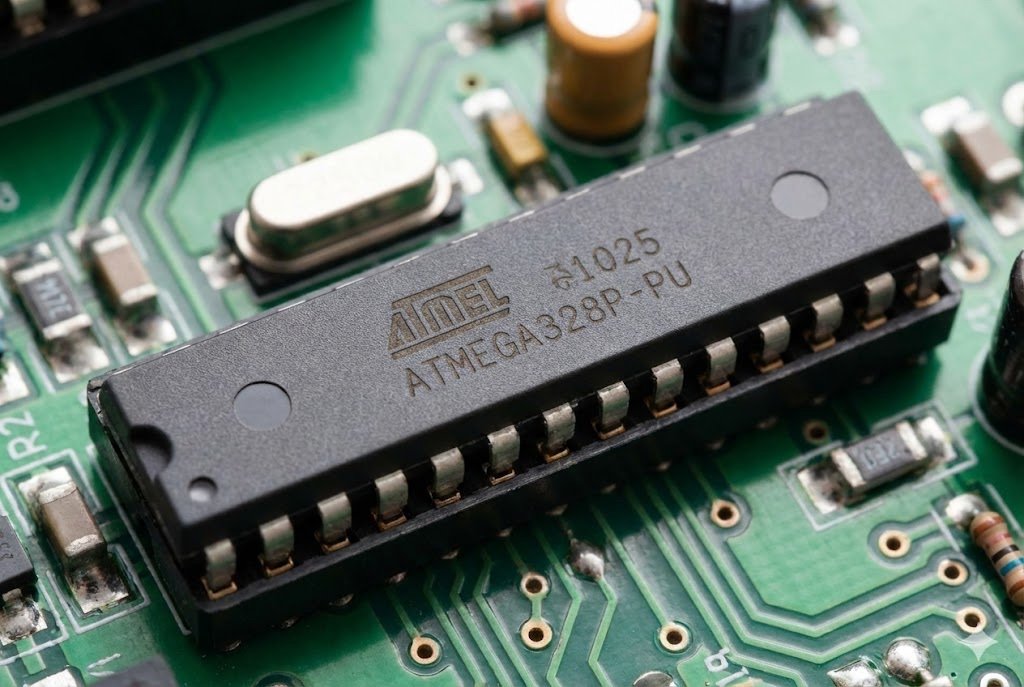
Finding the right components is just the beginning. The real challenge is making sure they are authentic and will not cause problems for your production line. It's about securing a supply chain8 you can trust completely. Let's look at what makes a reliable source and why the details of your order matter so much.
What's the Difference Between AU and PU Packages for ATMEGA Chips?
Are you confused about which ATMEGA package type is right for your design? Choosing the wrong one can cause major assembly headaches and waste valuable time and resources.
The main difference is their physical form factor. The "AU" suffix, like in ATMEGA32A-AU2, indicates a TQFP package9 designed for surface-mount technology (SMT). The "PU" suffix, like in ATMEGA32A-PU, denotes a DIP package10, which is for through-hole mounting, often used in prototyping.
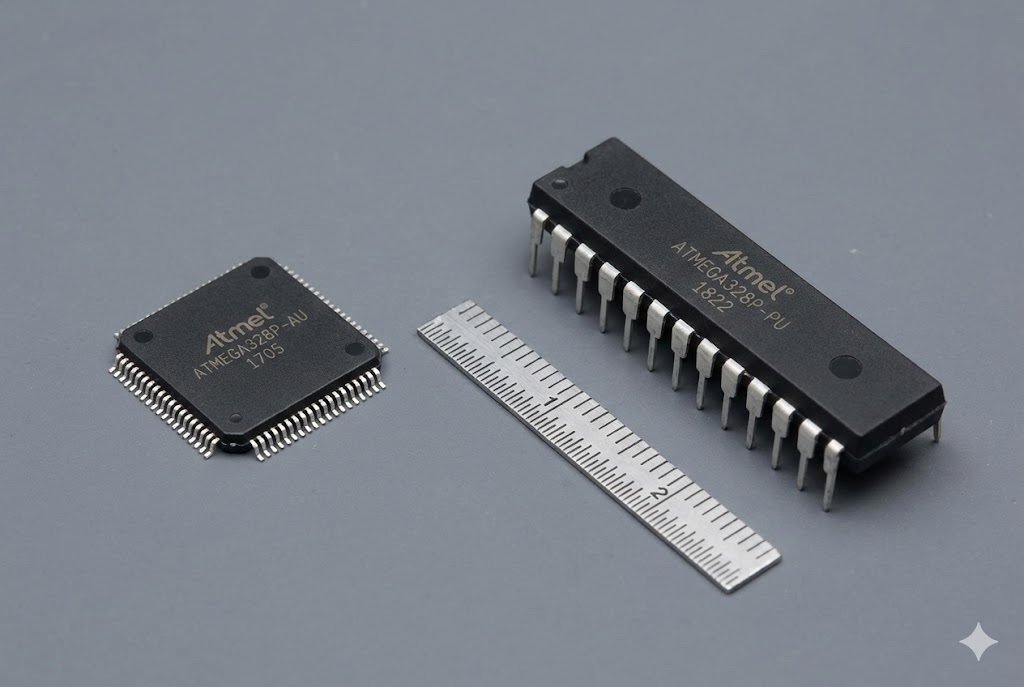
When you are planning a production run, understanding the package type is critical. It directly impacts your manufacturing process. I remember a client who accidentally ordered DIP package10s for a fully automated SMT assembly line. It was a simple mistake, but it caused a two-week delay as we rushed to source the correct TQFP parts for them. These details matter.
The AU and PU packages are designed for different assembly methods and project scales.
Package Specifications and Applications
| Feature | AU Package (TQFP) | PU Package (DIP) |
|---|---|---|
| Full Name | Thin Quad Flat Pack | Plastic Dual In-line Package |
| Mounting | Surface-Mount Technology (SMT) | Through-Hole Technology (THT) |
| Best For | Automated, high-volume production | Prototyping, manual assembly, hobbyist projects |
| Size | Smaller, more compact footprint | Larger, easier to handle manually |
| Soldering | Reflow oven | Hand soldering or wave soldering |
Standard Pack Quantity (SPQ)11
For volume orders, we supply components in their original factory packaging to ensure quality.
- AU (TQFP) models like ATMEGA16A-AU, ATMEGA32A-AU2, and ATMEGA64A-AU3 typically come in a reel. A full reel contains a large number of units, making it perfect for automated pick-and-place machines.
- PU (DIP) models like the ATMEGA32A-PU are usually packed in tubes. Each tube holds a specific quantity, such as 25 pieces.
Ordering in multiples of the Standard Pack Quantity (SPQ)11 helps us process your request quickly and ensures the components remain protected until they reach your assembly line.
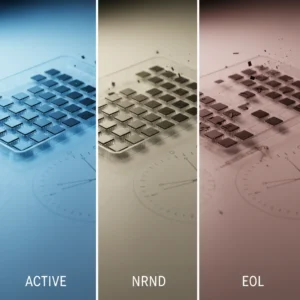
Why Should You Avoid Old Stock and Insist on a Fresh Date Code?
Worried that the components you buy have been sitting in a warehouse for years? Using old stock introduces huge risks of failure, damaging both your products and your reputation.
You should insist on a fresh date code because it guarantees the component has not degraded from long-term storage. New parts from the factory have no oxidation6 on their pins, ensuring perfect solderability12 and electrical performance, unlike old stock which often causes hidden production issues.
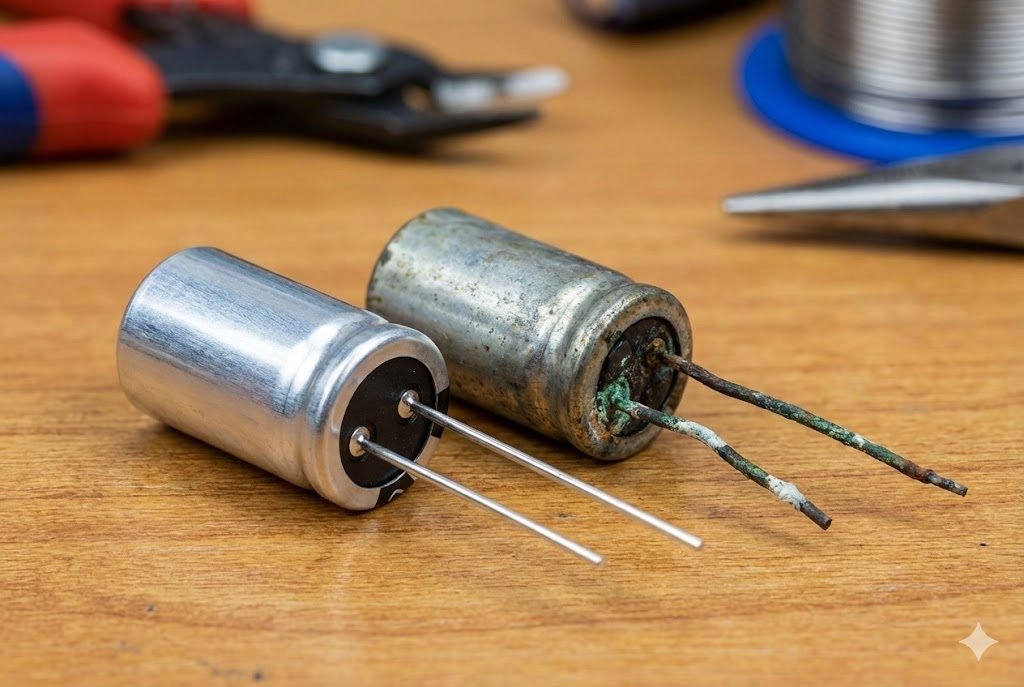
I once worked with a production manager who was facing a high failure rate on a new batch of boards. After days of investigation, we traced the problem back to a reel of microcontrollers they had bought from a clearance stockist. The parts looked fine, but they had been in a warehouse for over five years. The pins had microscopic oxidation6, leading to poor solder joints that failed under thermal stress. They had to scrap thousands of dollars worth of assembled PCBs. This experience taught me a valuable lesson: a fresh date code isn't a preference; it's a requirement for reliable manufacturing.
Old stock, even if it is technically "new and unused," carries significant risks that can disrupt your entire operation.
The Hidden Dangers of Old Inventory
-
Oxidation and Solderability: Component leads are typically made of copper alloys with a tin-lead or pure tin plating. Over time, this plating oxidizes, especially if storage conditions are not ideal. Oxidized leads resist solder, resulting in weak or failed solder joints. This is a primary cause of board failures that are hard to detect during initial testing but show up later in the field.
-
Moisture Sensitivity (MSL): Many components, especially complex ICs in TQFP package9s like the ATMEGA8A-AU, are sensitive to moisture. Factory-sealed packaging includes desiccants and humidity indicator cards. Old stock may have compromised packaging, allowing moisture to seep in. If these parts go through a reflow oven, the trapped moisture can turn to steam and physically crack the component, a phenomenon known as the "popcorn effect."
-
Unknown Storage History: When you buy from a stockist clearing out old inventory, you have no idea how those parts were stored. Were they kept in a climate-controlled environment? Were they handled with proper Electrostatic Discharge (ESD) precautions? The answer is often no. This uncertainty adds another layer of risk to your production.
By insisting on a fresh date code, you are sourcing parts directly from the controlled environment of the factory line, ensuring they meet every quality standard.
How Do We Guarantee 100% Original ATMEGA Components?
Are you concerned about counterfeit components13 infiltrating your supply chain8? The fear of receiving fake parts is real and can lead to catastrophic product failures and loss of customer trust.
We guarantee 100% original ATMEGA components by sourcing them exclusively through authorized distributors5 and original manufacturers. We do not hold stock. Instead, we procure new parts for your specific volume order, providing a clear and traceable path back to the factory.
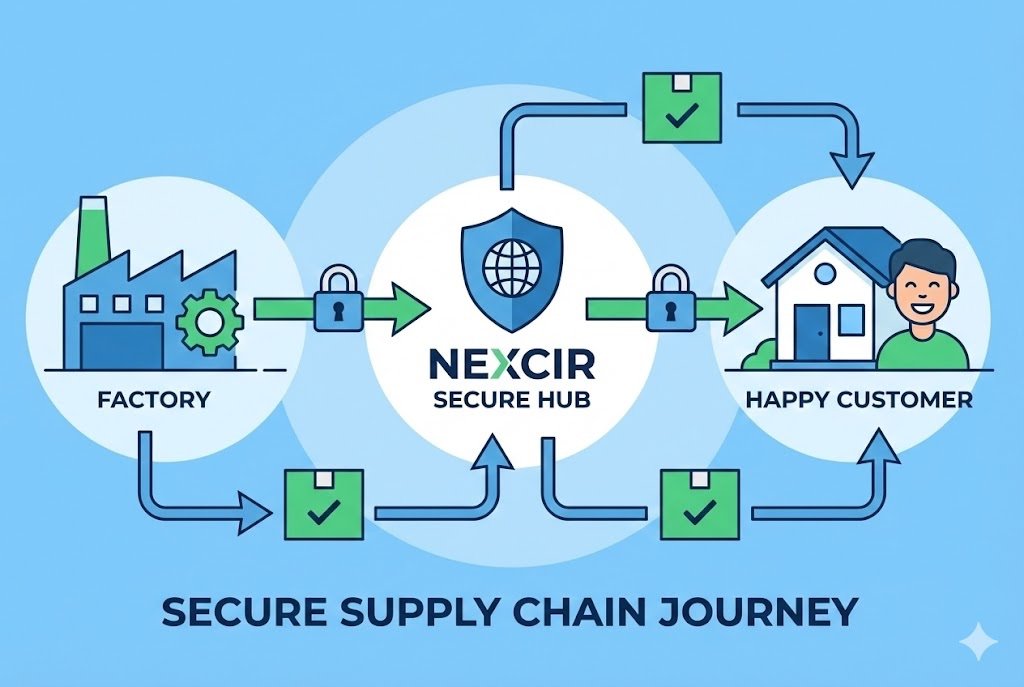
As an independent distributor, our entire business model is built on trust and transparency. We are not a broker trying to sell off old inventory from a dusty warehouse. Think of us as your dedicated procurement partner. When you need a volume order of ATMEGA32A-AU2 or ATMEGA64A-AU3, we use our established relationships to source them new, directly from the official supply line. This is a very different approach from browsing a massive online marketplace filled with parts from unknown sellers. Our process is designed to give you, the procurement manager or engineer, complete peace of mind. You get the components you need, and you also get the documentation and assurance that they are 100% genuine and factory-fresh.
This direct sourcing model is the only way to eliminate the risks associated with the gray market.
Our Sourcing Process: A Commitment to Authenticity
-
Direct Channel Sourcing: We maintain long-term, stable relationships with a global network of authorized agents. When you request a quote, we engage these official channels. We do not buy from unvetted third-party brokers or the open market. This single step cuts out the primary source of counterfeit components13.
-
Full Traceability: Because we source from authorized channels, every shipment comes with complete traceability7. This means you can get documentation that proves the parts' origin, from the factory lot number to the shipping records. This is essential for quality control and for industries that require strict compliance.
-
Factory-Sealed Packaging: Your order arrives in the original, unopened factory packaging (reels or tubes). This ensures the components have not been tampered with, exposed to contaminants, or replaced with fakes. It also preserves their integrity against moisture and ESD damage until you are ready for assembly.
This rigorous process applies to all components we source, including the popular ATMEGA16A-AU and ATMEGA8A-AU. We deliver not just a part, but a guarantee of quality.
Conclusion
In short, sourcing fresh, original ATMEGA chips is simple with the right partner. We connect you to authorized channels for reliable, volume-based procurement, ensuring quality and on-time delivery.
Explore this link to find reliable suppliers for authentic ATMEGA microcontrollers, ensuring quality for your projects. ↩
Discover trusted vendors for ATMEGA32A-AU, ensuring you receive factory-fresh components for your production. ↩
Find reputable sources for ATMEGA64A-AU to guarantee authenticity and reliability in your electronic designs. ↩
Understand the significance of fresh date codes in ensuring component reliability and performance. ↩
Learn about authorized distributors to ensure you get genuine components and avoid counterfeit risks. ↩
Explore the effects of oxidation on components to better understand the importance of sourcing new parts. ↩
Understand the role of traceability in ensuring quality control and compliance in electronics. ↩
Gain insights into creating a trustworthy supply chain for your electronic components to avoid production issues. ↩
Learn about TQFP packages and their benefits for modern electronic manufacturing. ↩
Discover the benefits of DIP packages for prototyping and manual assembly in electronics. ↩
Understand SPQ to streamline your ordering process and ensure quality in component procurement. ↩
Explore the importance of solderability in ensuring successful electronic assembly and performance. ↩
Find strategies to prevent counterfeit components from entering your supply chain and ensure quality. ↩