You have a critical machine down because of a failed chip. You check your usual suppliers, but they say the part is obsolete. This stops your production and costs you money every hour.
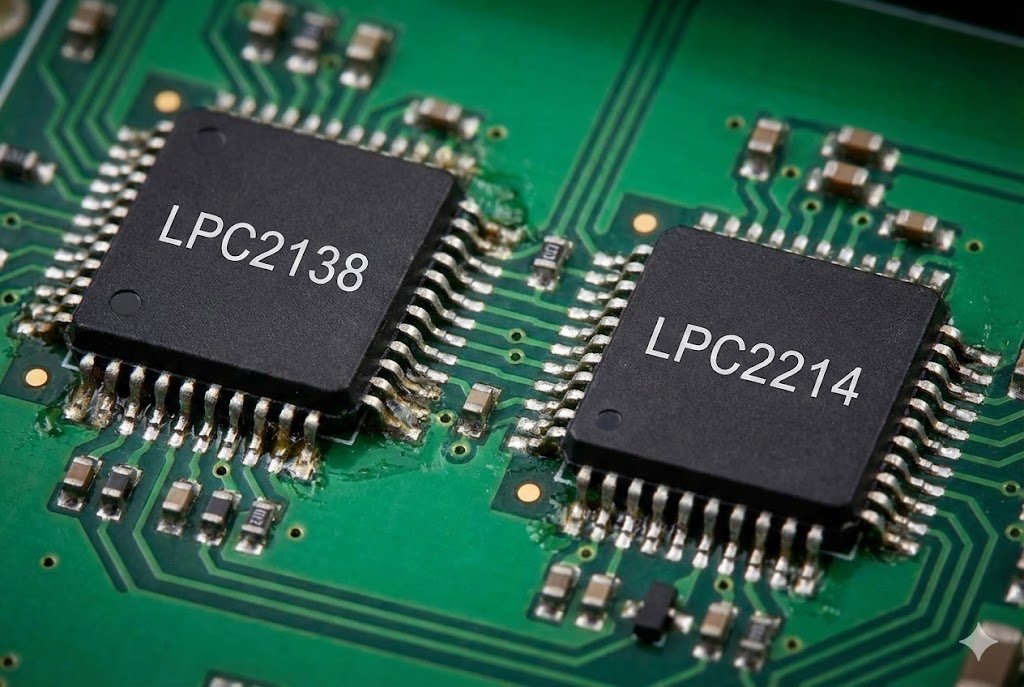
We specialize in solving this exact problem by sourcing hard-to-find NXP LPC2000 series MCUs1. We provide 100% authentic, vacuum-sealed LPC2138 and LPC2214 chips2 for industrial and medical repairs3. Our global network connects you with verified stock to keep your legacy ARM7 systems4 running without redesigning your hardware.
I talk to many engineers in the industry. They face the same hard choice. They must decide between an expensive system redesign or finding a rare part. This is not easy. Most people want to buy the part. But finding a trusted seller is hard. I want to explain why these chips are scarce and how we help you find them.
LOOP START
Why are LPC2138 and LPC2214 chips still critical for industrial systems?
Your machines have run perfectly for ten years. Suddenly, one controller fails. You do not want to replace the whole machine just because of one small chip.
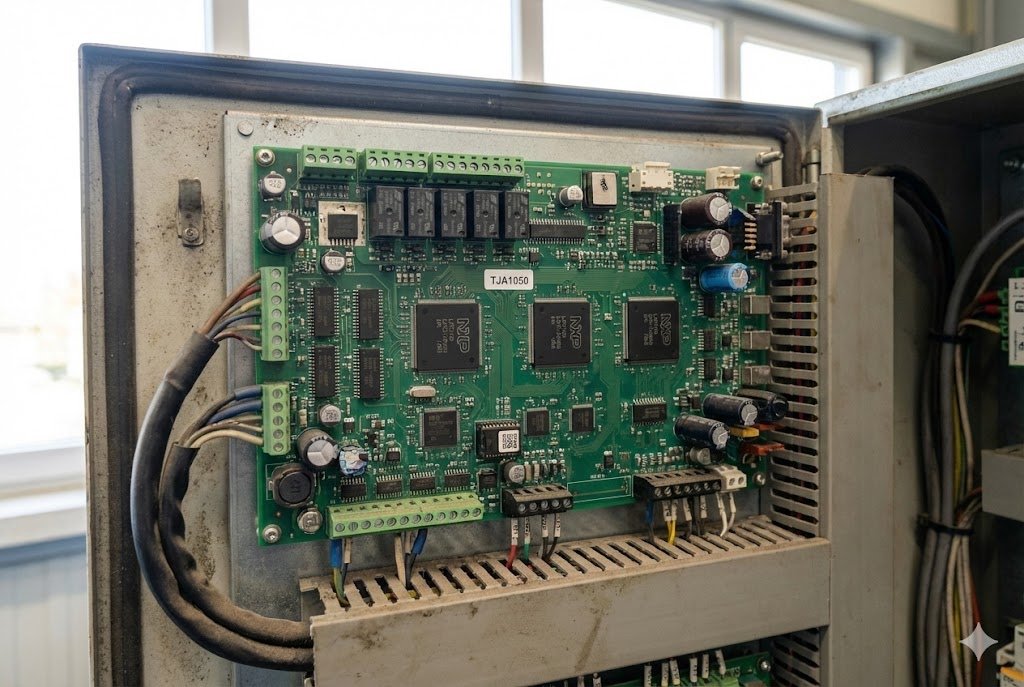
The LPC2138 and LPC2214 microcontrollers are the brain of many legacy industrial and medical devices. Replacing these specific chips is the only way to maintain the system because the software was written specifically for the ARM7TDMI-S core5 and cannot easily run on new hardware.
The Value of Legacy Architecture
I have seen many companies try to upgrade their systems. They think a new chip is better. But in the industrial world, reliability is the most important thing. The NXP LPC2138 and LPC22146 are based on the ARM7TDMI-S CPU. This is an older technology. However, it is very stable. Thousands of lines of code were written for these chips. This code controls motors, reads sensors, and manages safety in medical devices.
If you change the chip to a modern Cortex-M47, you must rewrite the code. You must also redesign the circuit board. This takes months. It also costs a lot of money. You also need to certify the new machine again. For a medical device, this certification can take years.
Therefore, buying the original chip is the smart choice. It saves time. It saves money. It keeps your proven system running.
Technical Comparison of Key Legacy Parts
To understand why these specific parts are needed, we can look at their specs. They are very similar, but the memory size is different. You must choose the exact part number to match your firmware.
| Feature | LPC2138 | LPC2214 |
|---|---|---|
| Core Architecture | ARM7TDMI-S | ARM7TDMI-S |
| Flash Memory | 512 kB | 256 kB |
| SRAM | 32 kB | 16 kB |
| Package Type | LQFP64 | LQFP144 |
| Key Use Case | General Industrial Control | Complex Systems with External Memory |
| Supply Status | Low / Allocation | Low / Allocation |
At Nexcir, we understand these technical details. We know that an LPC2214 has an external memory controller. An LPC2138 does not. You cannot swap them. You need the exact part. We help you identify and source the correct version for your specific board.
LOOP END
LOOP START
Why is it so difficult to find stock at major distributors today?
You go to a big website like DigiKey or Mouser. You type in the part number. The result says "Obsolete" or "0 Stock." You feel frustrated and do not know where to look next.
Major distributors focus on selling new technology and high volumes. They do not keep inventory for legacy ARM7 parts because the demand is low. As manufacturers focus on new chips, the supply chain for the older LPC2000 series dries up, leaving a gap for maintenance teams.

The Shift in the Semiconductor Market
I want to explain how the market works. Big chip makers like NXP want to sell new products. They invest money in new factories. These factories make modern chips. They do not want to keep making old chips like the LPC2138 forever. The profit margin is higher on new chips.
Also, big authorized distributors follow the chip makers. They want to sell millions of units to companies making new phones or cars. They do not want to sell ten chips to repair an old machine. This creates a "supply vacuum8." The parts exist, but the big shops do not sell them.
The Problem with "New" Distributors
Many new distributors do not understand the history of these parts. They only know part numbers. They do not know that the LPC2000 series was the standard fifteen years ago. They do not have relationships with the warehouses that hold this old stock.
This is where a specialized distributor helps. At Nexcir, our team has over 20 years of experience. We remember when these chips were new. We know who bought them. We know which partners still have stock on their shelves. We act as a bridge. We connect the old supply with your current need. We do the hard work of searching the global market so you do not have to.
LOOP END
LOOP START
How do we guarantee the authenticity of these legacy components?
You are afraid of buying fake parts. You hear stories about used chips being sold as new. You worry that a bad chip will destroy your expensive equipment.
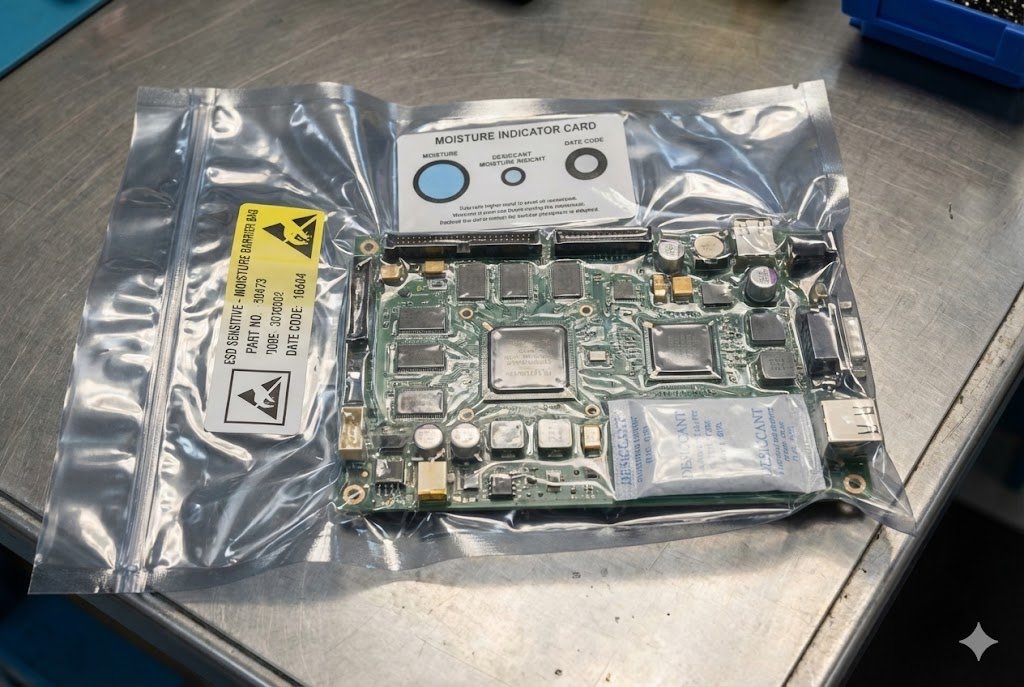
We only supply parts in original factory vacuum packaging to ensure quality. We verify the traceability of every shipment. Our quality control team checks labels, packaging, and physical conditions to ensure you receive genuine NXP silicon, eliminating the risk of counterfeit components.
The Risk of the Gray Market
When you cannot find parts at normal stores, you look at the open market. This place is risky. I have seen many bad parts here. Some people take old chips off trash boards. They polish them. They print new text on them. They sell them as new. This is very dangerous.
If you put a used chip in a medical machine, it might fail. Old chips have moisture inside. If you heat them up to solder them, they can crack. This is called the "popcorn effect9." A fake chip might not work at all. It wastes your engineer's time.
Our Quality Assurance Process
At Nexcir, we solve this with strict rules. We focus on "Original Factory Vacuum Packaging10." This is very important.
- Vacuum Seal: We look for the original bag. It must be tight. It keeps the moisture out. If the bag is open, we are very careful.
- Date Codes: We check when the chip was made. We ensure the code matches the label.
- Physical Inspection: We look at the pins. They must be straight and clean. We look at the surface. It must be smooth.
We do not just move boxes. We check what is inside. We want you to feel safe. When you buy an LPC2214 from us, you get the same quality as you did ten years ago. We stand behind our products. We offer this trust to our clients in industrial and medical fields.
LOOP END
LOOP START
What is the best strategy for long-term maintenance of legacy equipment?
You fixed the machine today. But what happens next year? You cannot rely on luck every time a chip fails. You need a solid plan for the future.
You must move from reactive buying to proactive stocking11. Partnering with a specialized distributor like Nexcir allows you to secure a long-term supply. We help you forecast needs and hold stock, so you never face a line-down situation due to a missing MCU again.

Moving from Reaction to Preparation
I often see procurement managers panic. They call me when the line is already stopped. This is stressful. It is also expensive. The price of these old chips goes up when supply is low. If you buy in a panic, you pay more.
The best way is to plan ahead. Look at your machines. How many LPC2138 chips do you use per year for repairs? Maybe you use fifty. You should buy them now. Do not wait for them to break.
How Nexcir Supports Long-Term Supply
We offer a service to help you. We can find a large lot of these chips. We can buy them for you. We can keep them in our warehouse. We ship them to you when you need them. This locks in the price. It also secures the stock.
We call this "End-of-Life (EOL) Management12." Even if NXP stops making the chip completely, you are safe. You have your own stock.
Our Global Network Advantage
Because we are in Hong Kong, we are at the center of the electronics trade. We have partners in Europe, North America, and Asia. Sometimes, a factory in Germany has extra stock. Sometimes, a warehouse in Japan has them. We find these pockets of inventory.
We bring them into our global supply network13. We make them available to you. We are not just selling a chip. We are selling you insurance for your production line. We help you extend the life of your equipment14 by five or ten years. This is the value of a true partnership.
LOOP END
Conclusion
We supply genuine, vacuum-sealed LPC2138 and LPC2214 chips to keep your critical industrial and medical systems running, ensuring you avoid costly redesigns through our reliable global sourcing network.
Discover reliable sources for rare NXP LPC2000 series MCUs to keep your legacy systems operational without costly redesigns. ↩
Ensure the authenticity of your LPC2138 and LPC2214 chips to maintain system integrity and avoid counterfeit risks. ↩
Learn about the specific challenges and solutions in repairing industrial and medical systems with legacy components. ↩
Understand the importance of maintaining legacy ARM7 systems to avoid expensive upgrades and redesigns. ↩
Explore the significance of the ARM7TDMI-S core in legacy systems and why it's crucial for specific applications. ↩
Discover why these specific microcontrollers are essential for maintaining legacy industrial and medical systems. ↩
Understand the differences between ARM7TDMI-S and Cortex-M4 to make informed decisions about system upgrades. ↩
Learn about the supply vacuum phenomenon and its impact on sourcing legacy components. ↩
Understand the risks of the popcorn effect when using old or counterfeit electronic components. ↩
Ensure the quality and authenticity of electronic components with Original Factory Vacuum Packaging. ↩
Discover strategies to move from reactive buying to proactive stocking to avoid production downtime. ↩
Learn how EOL Management can secure your supply of critical components and extend equipment life. ↩
Explore the advantages of a global supply network in sourcing hard-to-find components efficiently. ↩
Find out how sourcing legacy components can extend the life of your equipment and save costs. ↩