leading paragraph: Do your LED projects suffer from annoying flickering or "ghost lights"1 even when turned off? These issues ruin customer satisfaction. The secret to fixing this lies in your choice of driver ICs2.
snippet paragraph: LYTSwitch-53 and LinkSwitch-PH4 by Power Integrations solve dimming issues through advanced control algorithms. LYTSwitch-53 offers single-stage PFC5 for longevity, eliminating electrolytic capacitors6, while LinkSwitch-PH4 excels in phase-cut dimming compatibility. Selecting the right chip ensures flicker-free performance meeting Title 24 standards7 without bulky components.
Transition Paragraph: I have seen many engineers struggle with these specific problems. They often blame the dimmer switch. However, the real issue is usually inside the LED driver. Let me explain how these two specific chips handle the power differently.
LOOP START
Is the LYTSwitch-53 the Best Choice for Long-Life LED Drivers?
leading paragraph: Electrolytic capacitors are often the first part to fail in a driver. This kills your product's lifespan. You need a solution that removes this weak link from your design.
snippet paragraph: The LYTSwitch-53 (like LYT5228D/5218D) uses a single-stage PFC5 architecture. This design eliminates the need for short-lived electrolytic capacitors6. It significantly extends the driver's operating life, making it ideal for industrial or commercial lighting where maintenance is difficult and costly.
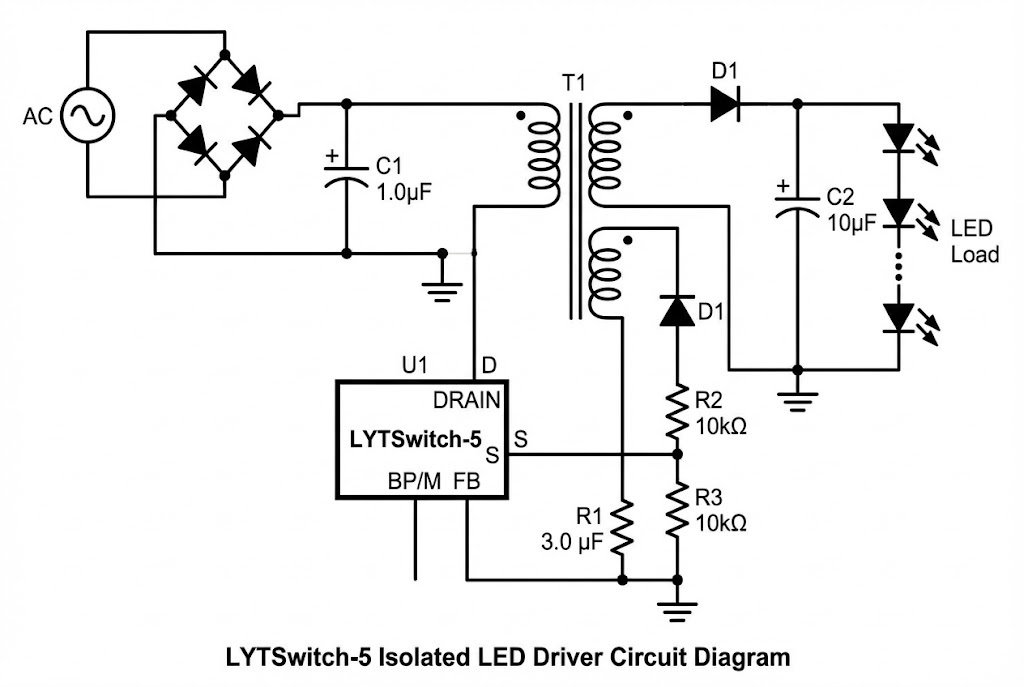
Dive deeper Paragraph: I want to discuss the specific architecture of the LYT5228D and LYT5218D chips. At Nexcir, we often recommend these to clients building outdoor lighting or high-bay fixtures. The main reason is the single-stage Power Factor Correction (PFC)8. In a standard power supply, you usually find a large electrolytic capacitor. This component acts like a water tank. It stores energy to smooth out the flow. However, these capacitors have liquid inside. Over time, heat dries them out. When the capacitor fails, the whole light fixture fails.
The LYTSwitch-53 removes this "water tank." This extends the life of the product significantly. But there is a trade-off. We need to look at this with critical thinking. Without the capacitor to store energy, the output current follows the AC input voltage very closely. This can create a current ripple9 at 100Hz (or 120Hz). If you do not manage this, the LED will flicker. This is the main challenge with single-stage high PF designs.
The Trade-off: Longevity vs. Signal Quality
| Feature | With Electrolytic Cap | Single-Stage (No Cap) |
|---|---|---|
| Lifespan | Short (Cap dries out) | Long (Solid state) |
| Size | Bulky | Compact |
| Power Factor | Good | Excellent (>0.9) |
| Ripple Risk | Low | High (Needs control) |
You must decide what is more important for your customer. If they need a light that lasts 10 years in a hot factory, the LYTSwitch-53 is the correct choice. You just need to handle the ripple using the chip's internal logic, which I will explain in the next section. This architecture simplifies the bill of materials. It lowers your production cost. It also reduces the risk of sourcing fake capacitors, which is a big problem in the supply chain right now.
LOOP END
LOOP START
How Does PI's Algorithm Achieve Flicker-Free Dimming Without Large Capacitors?
leading paragraph: Meeting California's Title 24 standard is a nightmare for many manufacturers. Standard drivers often fail the flicker test. You need a smarter control method to pass these strict regulations.
snippet paragraph: Power Integrations uses a proprietary algorithm that dynamically adjusts the MOSFET on-time10. This compensates for input voltage fluctuations instantly. It allows the driver to deliver smooth, flicker-free light that meets Title 24 requirements without adding expensive, bulky energy storage components to your board.
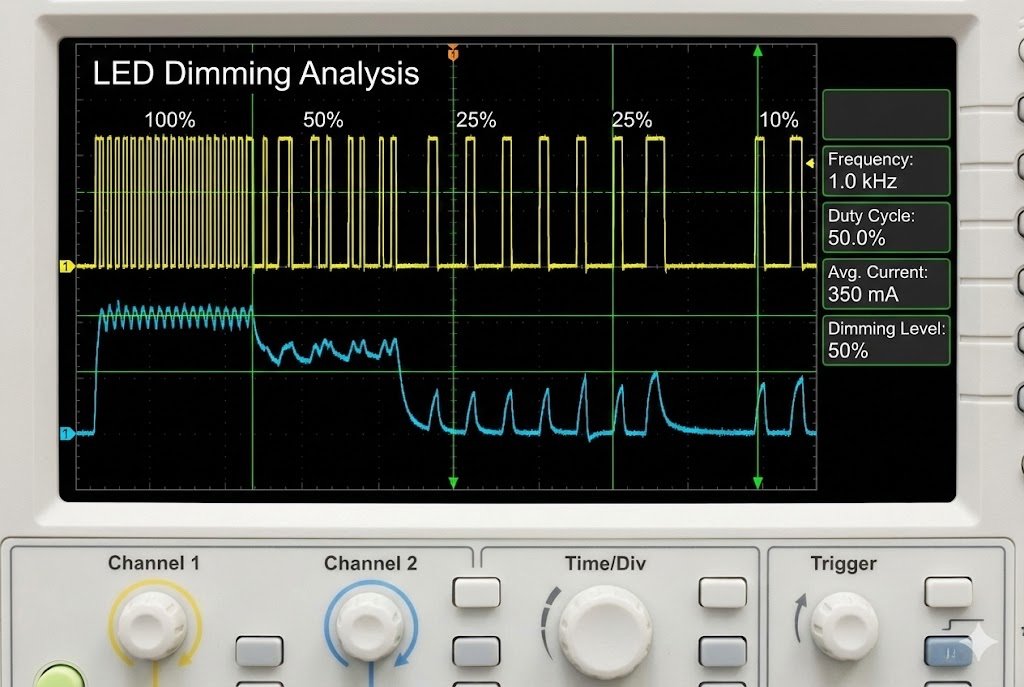
Dive deeper Paragraph: The hardware is only half the battle. The real value of the LYTSwitch-53 series lies in the control algorithm inside the chip. This is the "brain" of the operation. As I mentioned before, removing the large capacitor creates a risk of ripple. Power Integrations (PI) solves this with a very smart method. The chip does not just switch on and off at a fixed rate. It actively monitors the input voltage line.
When the input voltage fluctuates, the algorithm changes the MOSFET "on-time" (how long the switch stays open). It does this cycle by cycle. If the voltage drops, the chip keeps the switch open longer to pull more power. If the voltage spikes, it closes the switch faster. This dynamic adjustment happens thousands of times per second. It effectively "irons out" the bumps in the power supply before they reach the LED.
Why This Matters for Title 24
Title 24 is a very strict standard for lighting efficiency and quality in California. Many of our high-end commercial clients sell to this market. To pass Title 24, your light cannot flicker when dimmed.
- Deep Dimming: The algorithm maintains stability even when the light is dimmed down to 1% brightness.
- No Ghosting: "Ghosting" happens when leakage current makes the LED glow faintly when it should be off. The PI algorithm manages the discharge path to prevent this.
- Cost Efficiency: You achieve this performance without adding extra components to filter the output.
This is the core logic for buying this series. You are not just buying a chip; you are buying a solution that passes certification tests. At Nexcir, we see engineers choose this specifically to avoid redesigning their boards after failing a compliance test. It saves time and money in the long run.
LOOP END
LOOP START
Which Chip Fits Your Specific Lighting Application Best?
leading paragraph: Choosing the wrong chip leads to returns and angry customers. You do not want to redesign your board halfway through. You must match the chip to the exact use case.
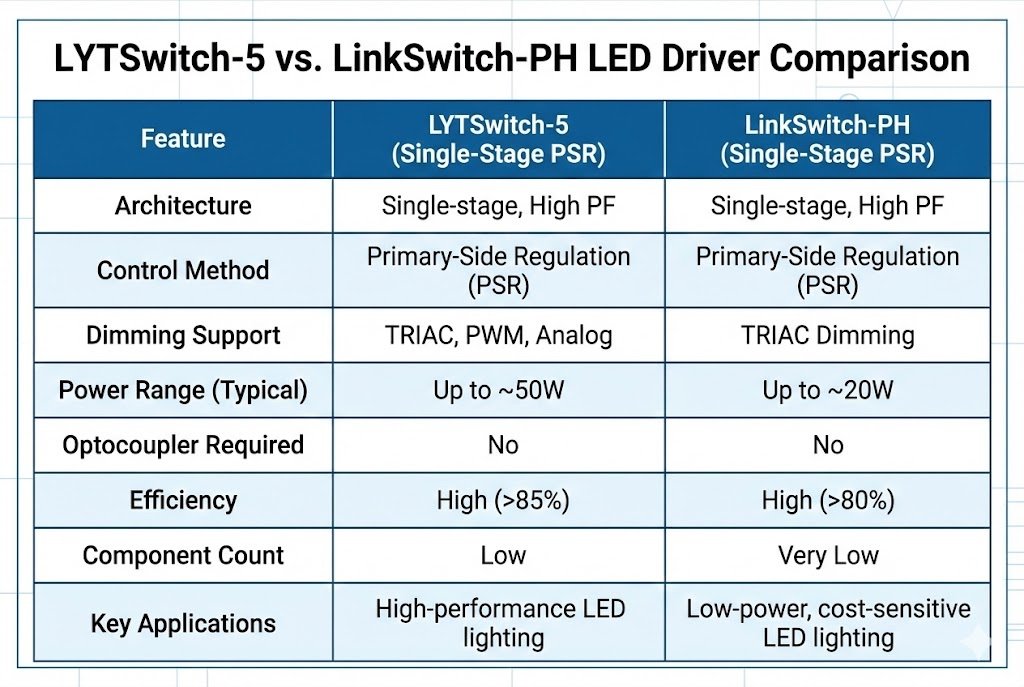
snippet paragraph: LinkSwitch-PH4 is excellent for TRIAC dimming compatibility11 in retrofit bulbs. LYTSwitch-53 is better for solid-state lighting fixtures requiring 0-10V or smart dimming with high efficiency. Your choice depends on whether you are replacing old bulbs or building new smart fixtures.
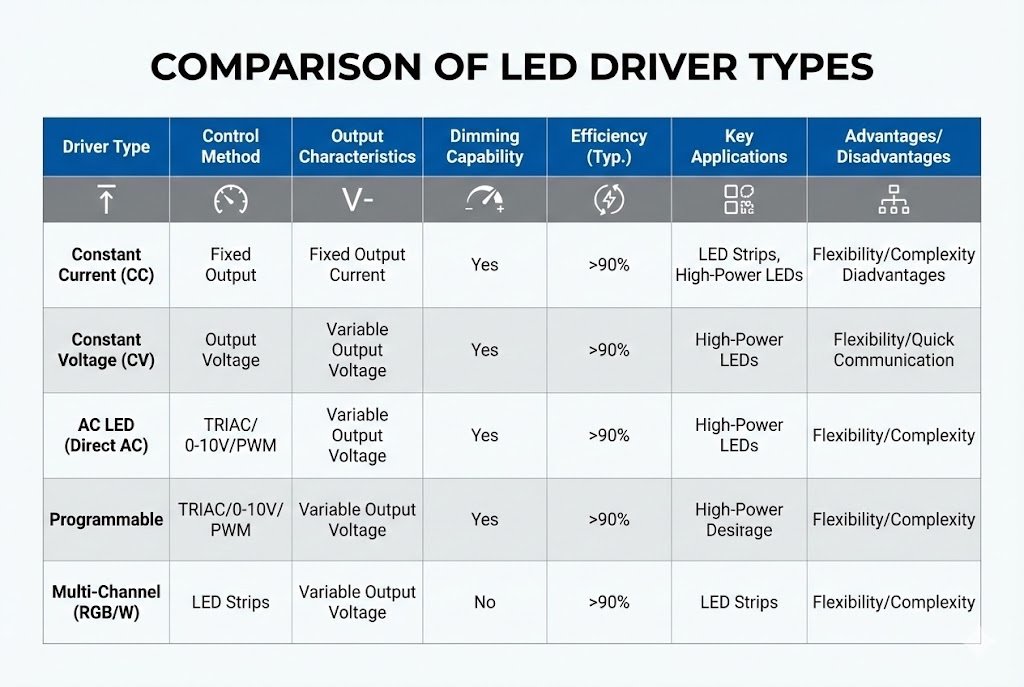
Dive deeper Paragraph: We need to distinguish between these two product lines clearly. I often help procurement managers decide between them based on the end product. The LinkSwitch-PH4 is a veteran in the industry. It integrates the controller and the high-voltage MOSFET into one package. It is designed primarily for the retrofit market. This means it works very well with those old, rotary dimmer switches (TRIAC) found in many homes. If you are making a standard LED bulb to replace an incandescent one, LinkSwitch-PH4 is your best friend. It handles the messy electrical noise from old dimmers very well.
On the other hand, the LYTSwitch-53 represents the future. We see this used in smart office lighting and connected street lights. It supports 0-10V dimming12, PWM dimming13, and works with smart sensors14. It focuses on efficiency and precise current control.
Selection Guide
| Feature | LinkSwitch-PH4 | LYTSwitch-53 |
|---|---|---|
| Primary Use | Retrofit Bulbs (A19, GU10) | Commercial Fixtures / Tubes |
| Dimming Type | Phase-Cut (TRIAC) | 0-10V, PWM, Smart |
| Dimming Range | Good | Excellent (Deep Dimming) |
| Component Count | Very Low | Low |
At Nexcir, we supply both. We ensure that every chip is original and authentic. The market is flooded with fake power chips that overheat or fail early. We verify our sources to protect your production line. If you are building for the modern "smart" world, look at LYTSwitch-53. If you are fixing the problems of the past (retrofits), stick with LinkSwitch-PH4.
LOOP END
Conclusion
LYTSwitch-53 offers long life and smart dimming, while LinkSwitch-PH4 masters retrofits. Nexcir provides authentic sourcing15 for both to ensure your projects are flicker-free and reliable16.
Understanding the causes of flickering or ghost lights can help you improve customer satisfaction and enhance the quality of your LED projects. ↩
Driver ICs are crucial for LED performance. Learning about them can help you choose the right components for flicker-free lighting solutions. ↩
LYTSwitch-5 offers advanced features for LED lighting. Discover how it can enhance longevity and efficiency in your projects. ↩
LinkSwitch-PH is known for its phase-cut dimming compatibility. Explore how it can solve dimming issues in retrofit bulbs. ↩
Single-stage PFC eliminates electrolytic capacitors, extending the lifespan of LED drivers. Learn how it benefits your lighting designs. ↩
Electrolytic capacitors often fail, reducing product lifespan. Learn how removing them can enhance the durability of your LED designs. ↩
Meeting Title 24 standards ensures high-quality lighting. Discover how specific LED drivers achieve compliance without bulky components. ↩
PFC is crucial for efficient LED driver operation. Understanding its role can help you design better lighting solutions. ↩
Current ripple can cause LED flickering. Learn how to manage it for stable and reliable lighting performance. ↩
Dynamic MOSFET on-time adjustment ensures flicker-free dimming. Discover how this technology enhances LED driver functionality. ↩
TRIAC dimming compatibility is essential for retrofit bulbs. Explore how it ensures smooth operation with existing dimmer switches. ↩
0-10V dimming offers precise control for smart lighting. Learn how it can be integrated into your LED projects for enhanced efficiency. ↩
PWM dimming provides efficient and precise control over LED brightness. Discover its benefits for modern lighting applications. ↩
Smart sensors enable intelligent lighting solutions. Explore how they can be used to create responsive and energy-efficient environments. ↩
Authentic sourcing ensures reliability and performance in LED drivers. Learn how it protects your projects from counterfeit components. ↩
Flicker-free and reliable LED drivers enhance lighting quality. Discover the technologies that ensure consistent and stable operation. ↩