leading paragraph: Are you frustrated by grainy video feeds or signal dropouts in your broadcasting equipment? Poor transmission quality ruins the viewer experience. The solution lies in choosing the right signal processing components1.
snippet paragraph: RF modulator and demodulator chips2 are the core engines of digital TV systems. They convert digital signals3 like HDMI into radio frequencies for transmission and decode them back for display. High-quality ICs ensure clear images, stable connections, and low latency for professional broadcasting and security setups.
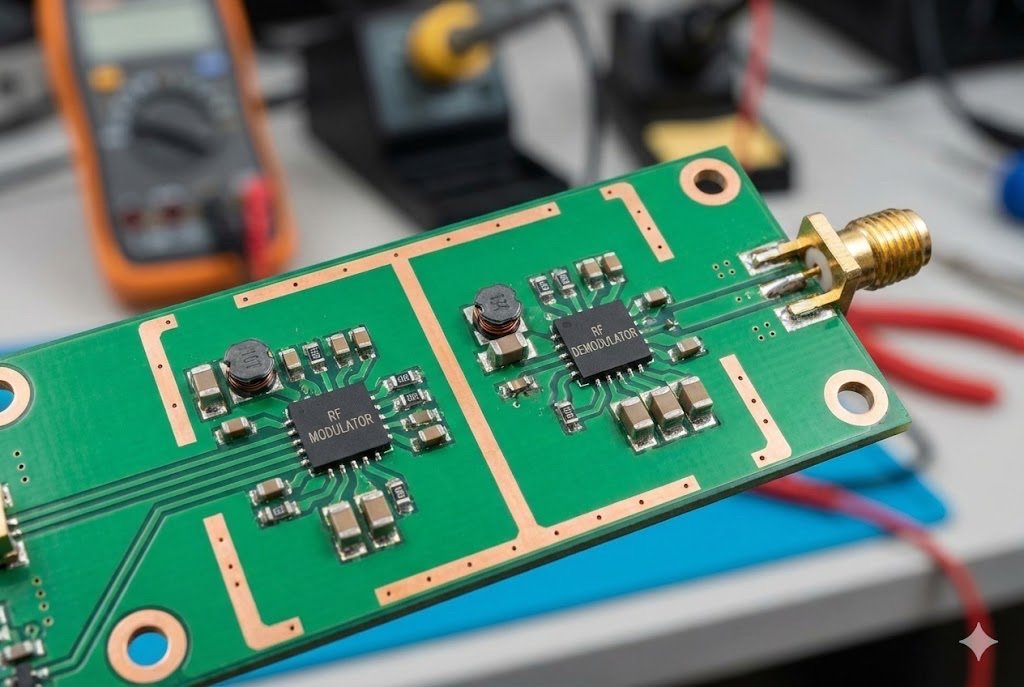
Transition Paragraph: Many hardware engineers focus heavily on the main processor but overlook the importance of the RF stage. I have seen many projects fail because of this oversight. I want to explain how these chips work and how they impact your final product.
LOOP START
What Is the Role of RF Modulator ICs in Signal Transmission?
leading paragraph: You might have a perfect video source, but it is useless if you cannot send it. Without proper modulation, your digital data cannot travel through long cables or airwaves.
snippet paragraph: An RF modulator IC takes a baseband signal, such as video or audio from an HDMI source, and places it onto a high-frequency carrier wave. This allows the signal to be transmitted over coaxial cables or antennas to a receiver without losing quality over long distances.
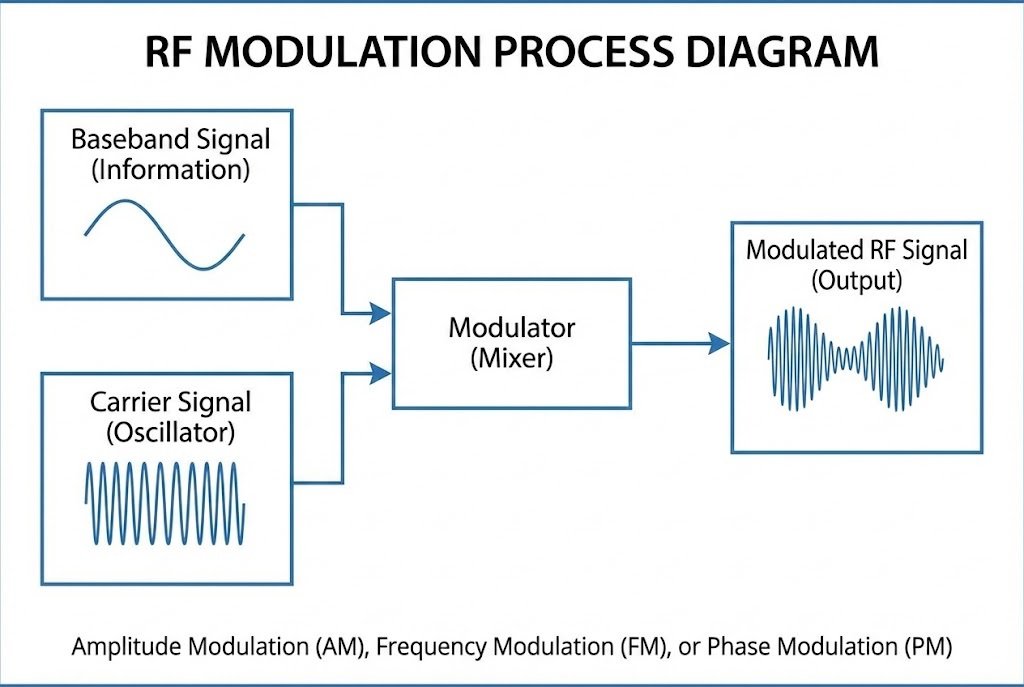
Dive deeper Paragraph: I want to break down exactly what happens inside these chips. When you design a digital TV transmitter or a hotel video distribution system, you usually start with a clean digital signal. This is often an HDMI signal. However, you cannot just push raw HDMI data through a long coaxial cable network. It will degrade instantly. This is where the RF modulator comes in.
The chip performs a complex task. It takes the digital stream and maps it onto a radio frequency. In modern digital systems, this often involves techniques like QAM (Quadrature Amplitude Modulation)4. The chip must be very precise. If the timing or phase is off even slightly, the picture at the other end will break up.
Here is a simple breakdown of the differences between older analog modulators and the modern digital ones we supply at Nexcir:
| Feature | Analog Modulator IC | Digital Modulator IC |
|---|---|---|
| Input Signal | CVBS / Audio L+R | HDMI / SDI / ASI |
| Output Quality | Standard Definition (often grainy) | High Definition (1080p, 4K) |
| Interference | High susceptibility to noise | Strong error correction |
| Application | Legacy CCTV, Old TVs | Digital TV, Modern Security, IPTV |
For manufacturers building HDMI modulators, the choice of the IC determines the Error Vector Magnitude (EVM)5. A lower EVM means a cleaner signal. I always advise my clients to look for chips that support a wide frequency range. This gives your device the flexibility to work in different global standards like DVB-T, ATSC, or ISDB-T.
LOOP END
LOOP START
How Do RF Demodulator Chips Decode the Signal for Display?
leading paragraph: Sending the signal is only half of the job. If the receiving device cannot understand the data, the screen stays black. The receiver needs a way to translate the wave.
snippet paragraph: RF demodulator chips act as the translator at the receiving end. They capture the incoming radio frequency, filter out noise, and extract the original video and audio data. This restores the signal to a digital format that your TV or monitor can process and display.
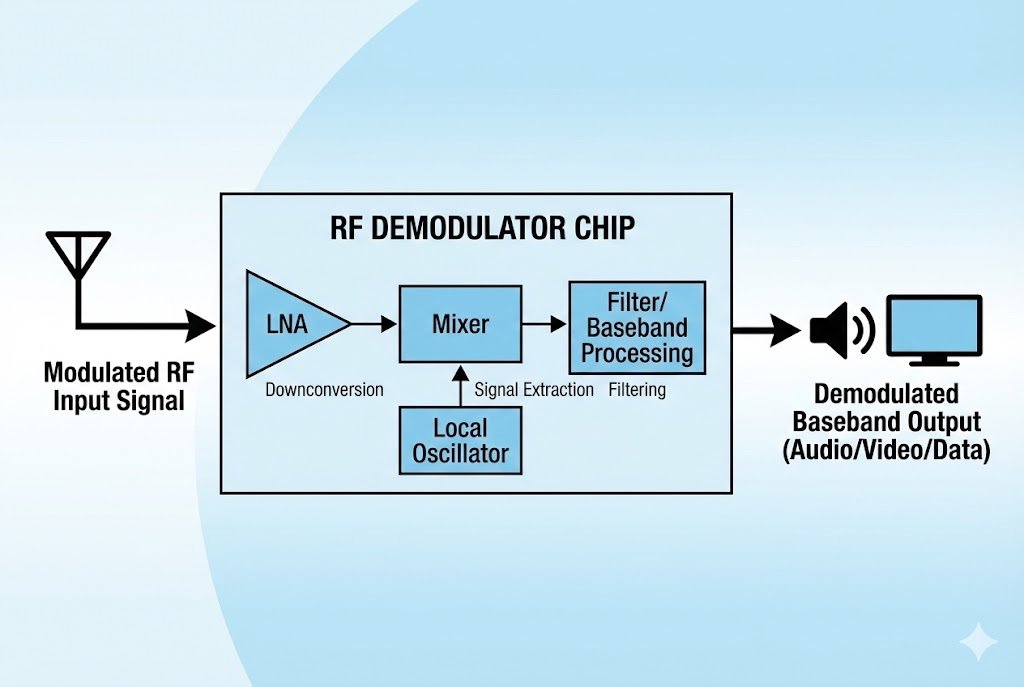
Dive deeper Paragraph: The demodulator has a harder job than the modulator. The modulator creates a clean signal, but the demodulator has to deal with a messy one. By the time the signal reaches the receiver, it might be weak. It might have picked up noise from other electronics. It might have bounced off walls, causing "multipath" interference.
I often compare the demodulator to a person trying to listen to a whisper in a noisy room. A high-quality demodulator chip needs excellent sensitivity. It must be able to lock onto the carrier frequency quickly. If you are building a Set-Top Box (STB) or a professional decoder, you need a chip with a high Signal-to-Noise Ratio (SNR)6.
In my experience at Nexcir, I see two main critical functions in these chips:
- Tuning: The chip selects the specific channel frequency you want to watch and rejects all others.
- Decoding: It converts the analog wave back into a digital bitstream (like MPEG transport stream).
If you use a cheap demodulator, your customers will experience "macro-blocking." This is when the image turns into square blocks or freezes. This happens because the chip cannot correct the errors in the transmission. Premium chips include advanced Forward Error Correction (FEC)7 algorithms. These algorithms guess the missing data to keep the video smooth. This is vital for security monitors where every frame counts.
LOOP END
LOOP START
Why Are High-Quality RF Chips Critical for Security and Broadcasting?
leading paragraph: Cheap components save money upfront but cost you more later. In security and broadcasting, a signal failure can mean a lawsuit or a security breach. Reliability is the only thing that matters.
snippet paragraph: In professional environments, equipment runs 24/7. High-quality RF chips are designed to handle heat and continuous operation without drifting. They ensure that security camera feeds8 remain uninterrupted and that broadcast signals9 stay crisp, regardless of cable length or environmental interference.

Dive deeper Paragraph: Let's talk about the specific needs of your customers. If you are an OEM making equipment for a TV station, your gear cannot fail during a live broadcast. If you are making a DVR for a prison or a bank, the video feed cannot cut out.
I recall a situation where a manufacturer used low-grade consumer chips for an industrial security project. The chips worked fine in the lab. But once they were installed in outdoor cabinets, the temperature changes caused the frequency to drift. The video feeds started ghosting. They had to recall hundreds of units.
This is why we stress the difference between consumer-grade and industrial-grade RF ICs10.
- Thermal Stability: Industrial chips can handle higher temperatures.
- Longevity: They are built to last for years of constant use.
- Consistency: Every chip in the batch performs exactly the same.
At Nexcir, we work with manufacturers to select chips that fit the "Link Budget11." This is a calculation of all the gains and losses in your cable system. A better RF chip gives you more headroom. It means your customers can run longer cables without needing extra amplifiers. This saves them money and makes your product look better. Whether it is for a headend system or a simple modulator box, the quality of the silicon defines the quality of the product.
LOOP END
LOOP START
How Can You Secure a Stable Supply of Authentic RF ICs?
leading paragraph: The market is full of fake parts and broken promises. Finding genuine chips for long-term production is becoming very difficult. You need a partner who protects your supply chain.
snippet paragraph: Securing authentic RF ICs requires a distributor with authorized channels and strict testing. You need a partner who guarantees traceability to the original factory12. This prevents production stops caused by obsolete parts or counterfeit components that fail under stress.
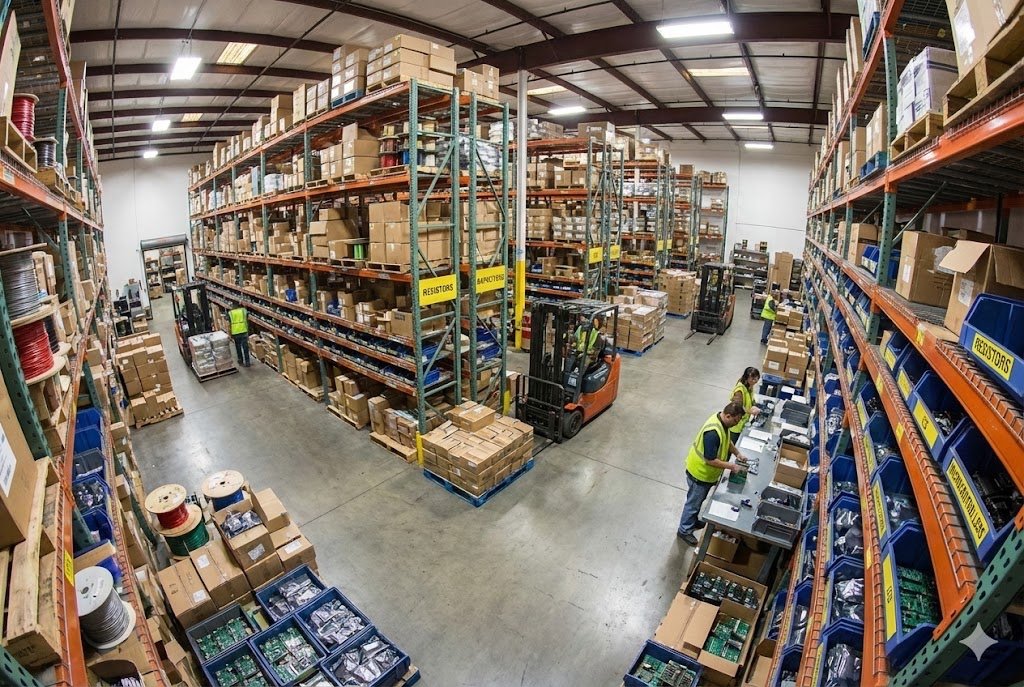
Dive deeper Paragraph: Supply chain security is the biggest pain point I hear from my clients today. The semiconductor market is volatile. RF chips, specifically high-performance ones from major brands, often go on "allocation." This means the factory cannot make them fast enough.
When this happens, the grey market floods with fakes. I have seen "refurbished" chips sold as new. These are old chips pulled off waste boards, polished, and re-marked. They might work for an hour, or they might not work at all. Using these in your product is a disaster waiting to happen.
At Nexcir, we take a different approach. We do not just buy from anyone.
- Authorized Sources: We stick to authorized distributors13 and the manufacturers themselves.
- Traceability: We can track the paper trail of the chip back to the production line.
- Stocking Strategy: We help you plan ahead. If we know a part is going End-Of-Life (EOL), we warn you. We help you do a "last time buy" or find a drop-in replacement.
Our team has over 20 years of experience. We know which older RF chips are still viable and which new ones are the future. We help you manage your Bill of Materials (BOM)14 so you are never stuck waiting for parts. We want to be your long-term partner, ensuring that your production line never stops because of a missing chip.
LOOP END
Conclusion
RF modulators and demodulators are vital for clear digital transmission. Choosing high-quality, authentic chips ensures reliability. Nexcir provides the expertise and stable supply chain you need to build superior broadcasting equipment.
Understand the critical role of signal processing components in ensuring high-quality transmission. ↩
Explore how these chips are essential for digital TV systems and their role in signal transmission. ↩
Learn about the importance of digital signals in modern broadcasting and how they enhance viewer experience. ↩
Dive into the techniques of QAM and how they improve signal quality in broadcasting. ↩
Find out how EVM affects signal clarity and the importance of low EVM in broadcasting. ↩
Learn why a high SNR is crucial for clear video and audio in broadcasting. ↩
Explore how FEC algorithms enhance video quality by correcting transmission errors. ↩
Explore the critical factors that affect the reliability of security camera feeds in various environments. ↩
Discover the characteristics of broadcast signals and their importance in delivering quality content. ↩
Discover the advantages of using industrial-grade RF ICs for long-term reliability in broadcasting. ↩
Learn how Link Budget calculations impact the performance of broadcasting equipment. ↩
Understand how traceability helps prevent production issues caused by counterfeit components. ↩
Explore the importance of sourcing from authorized distributors for reliable RF components. ↩
Learn how managing your BOM can prevent delays in production due to missing components. ↩