
Sourcing components from China feels overwhelming. You worry about quality1, communication2, and finding a trustworthy partner3. A bad choice can lead to project delays4, counterfeit parts5, and lost money.
To successfully navigate Chinese electronic suppliers, focus on verifying partners, understanding the local market dynamics6, and establishing clear communication2 channels. A reliable local partner is key to managing risks and leveraging the supply chain's strengths, ensuring you get original components and stable supply.
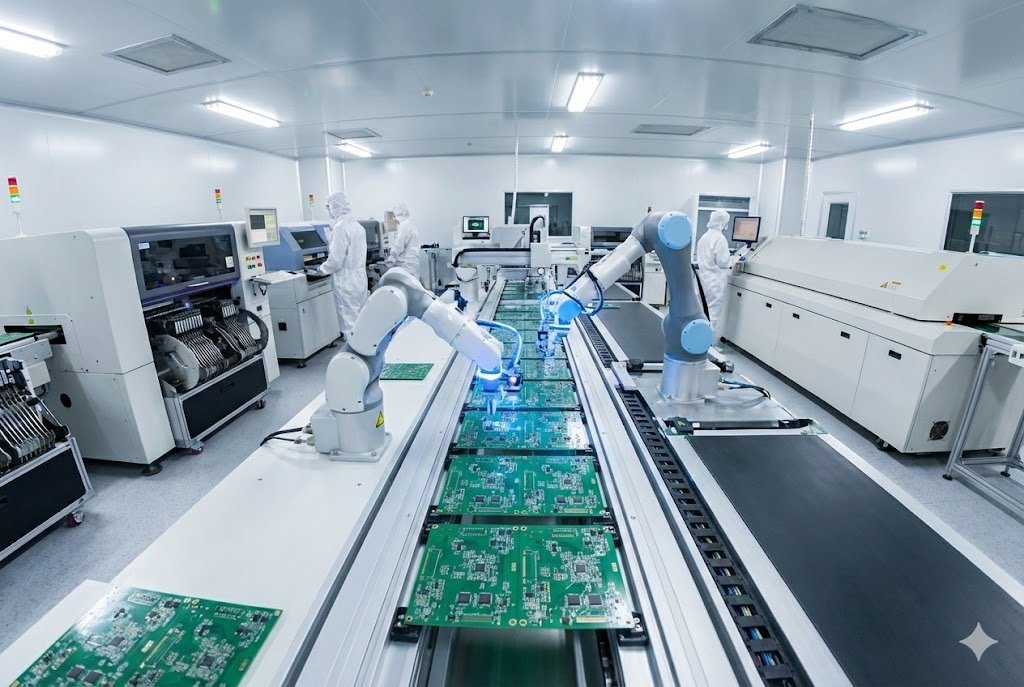
It's a common story I hear from procurement managers. They see the potential in China's supply chain but are hesitant to dive in. They've heard horror stories and don't know who to trust. It's a valid concern, but it often overshadows the massive opportunities available. The key isn't to avoid the market, but to learn how to navigate it smartly. This guide will show you how to do just that, breaking down the myths and getting straight to the facts.
What Are the Biggest Myths About Sourcing Electronics from China?
Myths about "Made in China" quality1 make you hesitate. You've heard it's all low-grade or counterfeit. This fear stops you from accessing a world-class supply chain, costing you time and money.
The biggest myths are that all Chinese components are low quality1, that communication2 is impossible, and that every supplier is a scam. In reality, China's ecosystem is vast, with world-class manufacturers and sophisticated supply chains. The challenge is finding the right partners, not a lack of quality1.
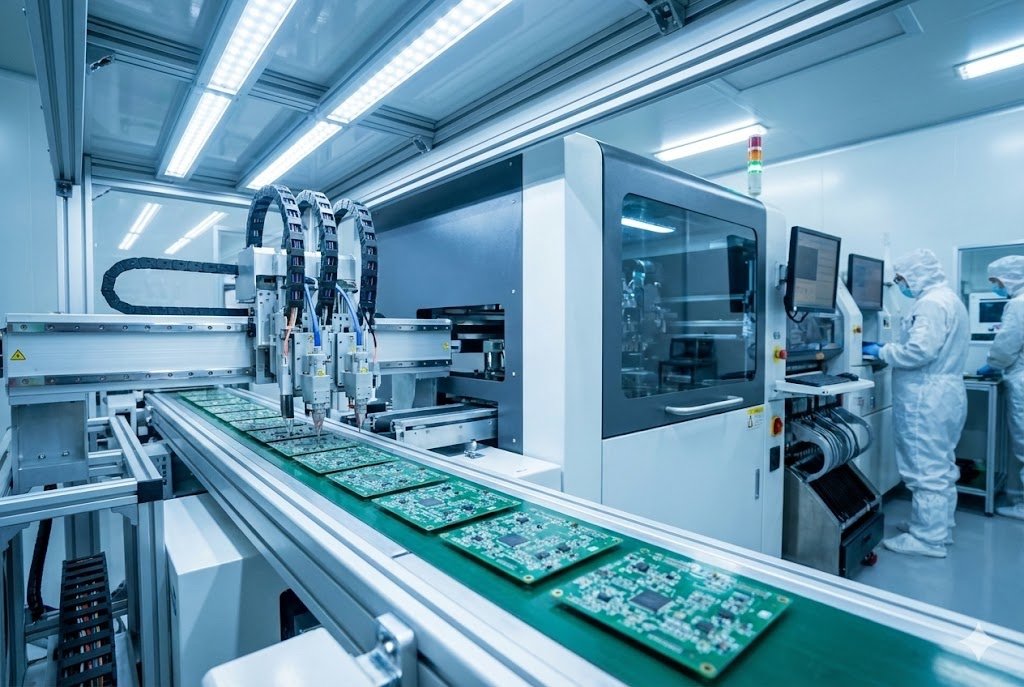
Let's break down the common myths and contrast them with the reality I see every day. For years, I've worked with overseas OEMs and manufacturing clients, and these misconceptions come up again and again. They are the biggest barrier preventing companies from unlocking the true potential of this market.
Myth 1: The "Poor Quality" Myth
The idea that all components from China are low-grade is outdated. The reality is that China is home to Tier 1 manufacturing for the world's biggest brands. The quality1 spectrum is huge. You can find cheap, low-end parts, but you can also source top-tier, original components, often from the same factories that supply major global brands. The problem isn't a lack of quality1; it's a lack of verification7. A professional sourcing partner doesn't just find a part; we verify its origin and ensure it meets your specs.
Myth 2: The "Communication Barrier" Myth
Yes, language and cultural differences exist. But many suppliers, especially those focused on export, have English-speaking staff. More importantly, a good partner like us acts as your bridge. We handle the communication2, understand the nuances, and ensure your requirements are perfectly understood. I remember a time when a client's spec sheet for a specific PMIC was misinterpreted due to a small technical term. It nearly led to a wrong order of 10,000 units. We caught it because we understand both the technical language and the local business culture.
Myth 3: The "Everyone is a Scammer" Myth
The market is huge, and yes, there are untrustworthy traders. But there are far more legitimate, professional suppliers. The trick is to do your due diligence.
| Myth | Reality |
|---|---|
| All parts are low-quality1 or fakes. | China has a full spectrum of quality1. Vetting suppliers is key to getting original, high-grade components. |
| Communication is impossible. | Professional suppliers have English support. A local partner eliminates communication2 gaps entirely. |
| It's too risky and full of scams. | Risk exists everywhere. With proper verification7 and a trusted partner, the risk is manageable and low. |
How Can You Identify a Reliable Electronic Supplier in China?
You have a list of potential suppliers. But they all look the same online. How do you know who is legit? Choosing the wrong one means risking your production line with fake parts.
Identify a reliable supplier by verifying their business license8, checking their specialization, and asking for traceable documentation9. A trustworthy partner3 will be transparent about their sourcing channels, focus on long-term value over quick sales, and have a professional process for quality control10://nexcir.com/how-to-manage-price-fluctuations-in-semiconductor-sourcing/)1 control.

Finding the right partner is the most critical step. It's not just about finding a company that has the part you need. It's about finding a partner who aligns with your long-term goals. When I first started in this industry, I made the mistake of going with a supplier who offered the lowest price on a batch of MCUs, no questions asked. It turned out to be a batch of refurbished ICs that failed in testing. That lesson was expensive, but it taught me what to look for. Here's my checklist.
Key Verification Steps
A reliable partner will always welcome scrutiny. They are proud of their processes and transparency.
- Business Registration & History: A legitimate company will have a public business registration. Look for how long they've been in business. A company that has been operating for 5-10 years is generally more stable.
- Area of Specialization: Be wary of suppliers who claim to have "everything." A professional sourcing partner, like NexCir, has core product categories. We focus on MCUs, PMICs, and sensors because that's where our expertise and network are strongest. A jack-of-all-trades is often a master of none.
- Attitude and Professionalism: Do they ask you smart questions? A good partner will want to know about your project, your Estimated Annual Usage (EAU), and your lifecycle needs. A simple trader will just ask for a part number and quantity. Their goal is a single transaction. Our goal is to become your sourcing team11.
Red Flags vs. Green Flags
Here is a simple table to help you spot the difference between a risky trader and a reliable partner.
| Red Flags 🚩 | Green Flags ✅ |
|---|---|
| Offers impossibly low prices. | Provides market-based pricing with clear explanations. |
| Claims to have everything in stock. | Specializes in certain component categories. |
| Focuses only on the transaction. | Asks about your project and long-term needs. |
| Cannot provide traceability or certificates. | Offers full traceability and is transparent about their quality control10://nexcir.com/how-to-manage-price-fluctuations-in-semiconductor-sourcing/)1 control process. |
| Communicates unprofessionally. | Has a professional website, clear communication2, and a dedicated contact person. |
What is the Real Advantage of Sourcing from China?
You think sourcing from China is just about a lower price. But you're missing the bigger picture. Focusing only on cost can lead you to overlook the strategic advantages that accelerate your business.
The real advantage of sourcing from China is not just cost, but the unparalleled speed12, scalability13, and completeness14 of its supply chain. You get access to a massive ecosystem of manufacturers, suppliers, and logistics experts, allowing for rapid prototyping and production ramp-up.

Many people get this wrong. They come to China looking for the cheapest possible price. While cost savings are a benefit, they are not the main advantage. The true power of the Chinese electronics supply chain is its incredible integration and speed12. I've seen clients in Europe wait weeks for a sample of a new sensor. Here, we can often source that same sensor from a verified channel and have it ready for international shipping within a day or two. This speed12 compounds. It means faster R&D, faster time-to-market, and a huge competitive edge.
The Three Pillars of China's Supply Chain Advantage
- Speed: The concentration of factories, suppliers, and logistics hubs in regions like the Greater Bay Area (including Shenzhen and Hong Kong) is something you have to see to believe. A component can move from a warehouse to an inspection lab to the airport in a matter of hours, not days. We often call this "Shenzhen Speed." It's a real, tangible advantage for any hardware project.
- Scale: The manufacturing capacity in China is immense. Whether you need 1,000 pieces for a pilot run or 1 million for mass production, the ecosystem can handle it. This scalability13 is crucial for growing businesses. You don't have to worry about outgrowing your supply chain.
- Completeness: You can find almost any component, process, or service you need here. From PCB manufacturing and assembly to custom cable molding and enclosure design, it's all in one place. This reduces logistical complexity and speed12s up your entire product development cycle. As a sourcing partner, we don't just find parts; we help our clients tap into this entire ecosystem to build their products better and faster.
Conclusion
Sourcing from China offers huge advantages in speed12 and scale. With a reliable partner like NexCir, you can navigate the market confidently and unlock your project's full potential.
Understanding quality assurance in sourcing can save you from costly mistakes. This link provides valuable insights. ↩
Effective communication is key to successful sourcing. This resource offers tips to bridge cultural gaps. ↩
Finding a reliable partner is crucial for success. This guide helps you identify trustworthy suppliers. ↩
Learn about common pitfalls that lead to delays and how to avoid them in your sourcing process. ↩
This resource provides essential tips to help you steer clear of counterfeit components. ↩
Understanding local market dynamics can enhance your sourcing strategy. This link offers valuable insights. ↩
Verification is key to successful sourcing. This resource outlines effective verification methods. ↩
Learn how to verify a supplier's legitimacy through their business license with this helpful guide. ↩
Understanding traceable documentation is crucial for quality assurance. This resource explains its importance. ↩
Explore best practices for quality control to ensure you receive high-quality components. ↩
Building a strong sourcing team is essential for success. This resource provides tips on team formation. ↩
Learn about the speed advantages of sourcing from China and how it can benefit your business. ↩
Understanding scalability can help you plan for growth. This resource discusses the scalability of the supply chain. ↩
Explore the concept of completeness in sourcing and how it can streamline your product development. ↩


