leading paragraph: Smart meters often face dirty power1 and dangerous voltage spikes2. These issues damage sensitive components and stop data collection. You need a robust power solution to keep meters running smoothly.
snippet paragraph: The Power Integrations LYT0006D is a high-efficiency off-line switcher3 designed for non-isolated power supplies. It handles harsh grid harmonics using an integrated 700V MOSFET4 and a simplified circuit. This design resists power surges and ensures long-term reliability for smart utility meters.
Transition Paragraph: I see many engineers struggle with complex power designs. They think more protection means more parts. But in my twenty years of experience at Nexcir, I have learned that simple designs often work best. Let me explain why the LYT0006D is the right choice for your next project.
Why do smart meters struggle with modern grid instability?
leading paragraph: The power grid is not as clean as we think. Voltage spikes and noise attack sensitive electronics every day. This causes failures that cost companies a lot of money.
snippet paragraph: Modern grids suffer from harmonic pollution5 caused by variable loads and renewable energy sources. Smart meters sit directly on these lines. Without strong transient protection6, the internal power supply fails, leading to data loss and expensive maintenance calls.
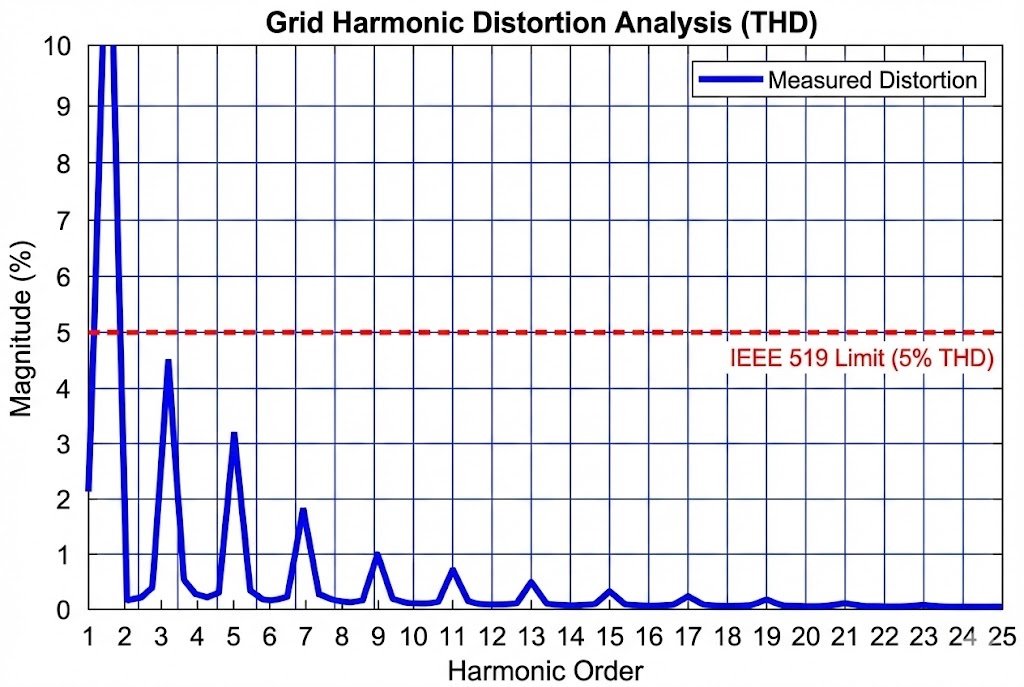
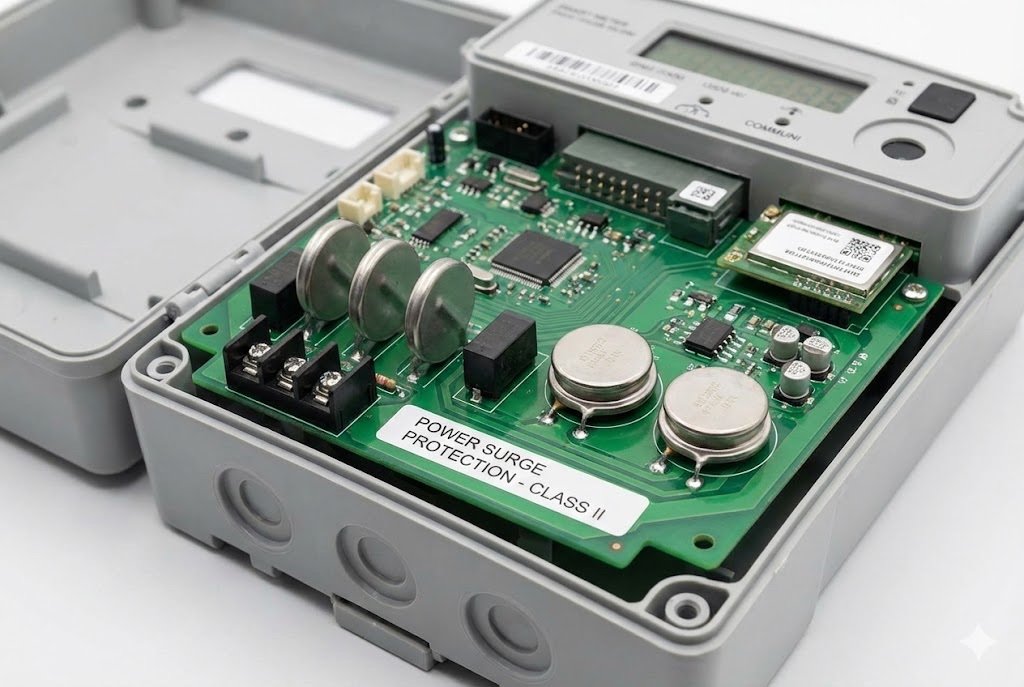
Dive deeper Paragraph: We need to look closely at the environment where smart meters operate. These devices do not sit in a clean server room. They stay outside in the heat and cold. They connect directly to the main power lines. This means they feel every change in the grid.
I often talk to clients about "harmonic pollution5." This happens when non-linear loads, like LED drivers or heavy industrial motors, put noise back into the grid. This noise creates voltage distortion7. For a standard power supply, this is a nightmare. It causes the components to heat up. It causes the controller to misread signals. Eventually, the power supply stops working.
The table below shows the difference between a lab environment and the real world:
| Feature | Lab Environment | Real Grid Environment |
|---|---|---|
| Voltage | Stable 220V/110V | Fluctuates wildly (Swells/Sags) |
| Noise | Minimal | High Harmonic Distortion |
| Switching | Controlled | Random Spikes |
| Result | Device works perfectly | Device degrades quickly |
When I source components for Nexcir clients, I ask about these conditions. If you use a weak power chip, the meter will fail. The LYT0006D is different. It is built to handle this noise. It does not need a perfect sine wave8 to do its job. It filters out the bad signals and keeps the meter running. This is critical for utility companies that cannot afford to replace meters every year.
How does the non-isolated design of LYT0006D enhance durability?
leading paragraph: Many designers think isolated circuits are always safer. But in metering, complexity creates more points of failure. We need to look at why less is often more.
snippet paragraph: The LYT0006D uses a non-isolated buck topology9. This reduces the component count significantly. Fewer parts mean fewer things can break during thermal cycling and electrical stress. It provides a direct and efficient power path for the meter's logic.
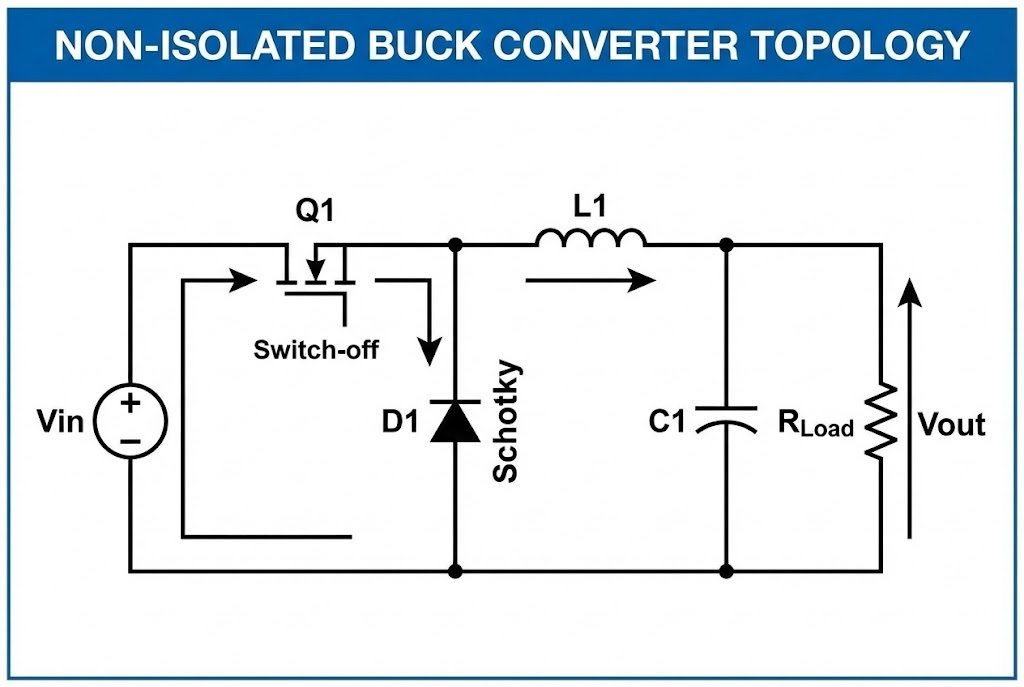
Dive deeper Paragraph: I have analyzed many failed power supplies in my career. A common trend is that complex circuits fail first. An isolated power supply usually needs an optocoupler. It needs a secondary reference voltage. It needs extra compensation components. Each of these parts is a weak link.
The LYT0006D takes a different approach. It uses a non-isolated topology. This means the circuit is very simple. It does not need bulky transformers or fragile optocouplers. In the context of "anti-fatigue," this is a huge advantage.
Think about what happens when the power goes out and comes back on. This is a "transient event." It sends a shockwave through the circuit.
- Complex Circuit: The controller tries to sync with the secondary side. The feedback loop delays. The voltage overshoots. This stresses the capacitors.
- LYT0006D Circuit: The loop is short and fast. It reacts instantly. It stabilizes the voltage without drama.
This simplicity is why I recommend this chip for infrastructure. The simplified supply loop is much stronger against repetitive shocks. When a storm hits and the power flickers ten times in a minute, this chip survives. A complex multi-stage controller might confuse itself and burn out. At Nexcir, we value reliability above all else. This chip aligns with that value. It removes the unnecessary bulk and keeps only what is needed for survival.
What makes the integrated 700V MOSFET4 critical for surge protection?
leading paragraph: High voltage spikes destroy standard transistors instantly. You need a switch that can handle the pressure. This is where the internal rating matters most for your safety.
snippet paragraph: The LYT0006D integrates a 700V power MOSFET directly into the controller IC. This high breakdown voltage allows the chip to survive input surges and swells without external clamping devices. It simplifies the design while increasing the safety margin.
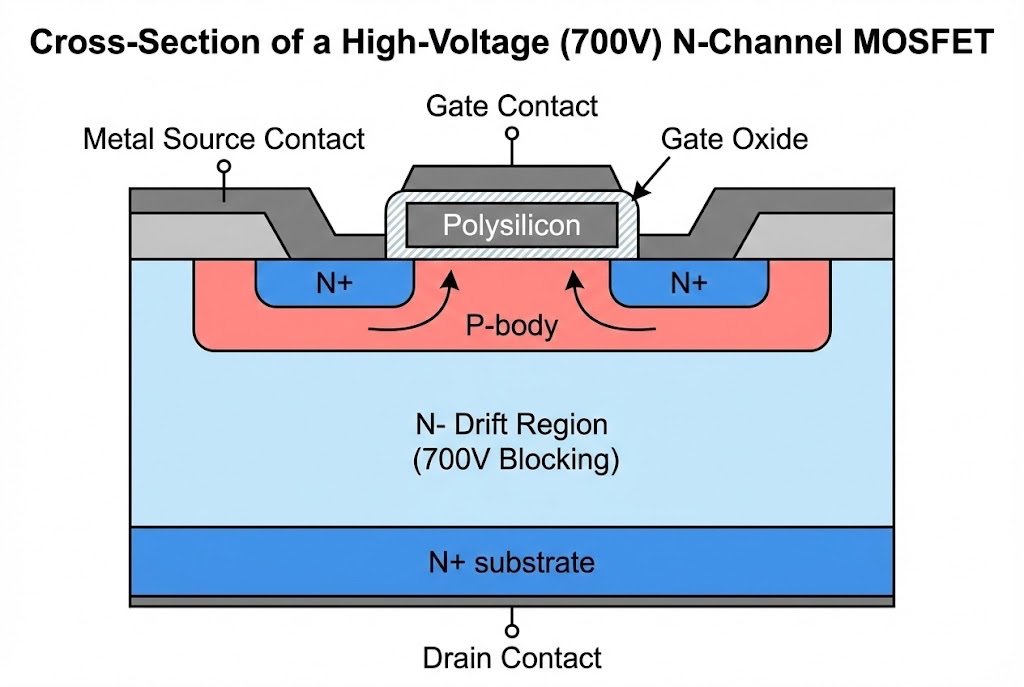
Dive deeper Paragraph: Let's talk about the heart of the chip: the switch. In many power supplies, the controller and the switch are separate. Or, the internal switch is rated for only 600V. In a smart meter application, 600V is often not enough.
The grid can have "swells." This is when the voltage rises above normal for a few seconds. If the voltage goes higher than the rating of the MOSFET, the part explodes. The LYT0006D has a 700V rating. This gives you an extra 100V of headroom compared to standard parts.
Here is why this matters for harmonic pollution5:
- Harmonics create peaks: Dirty power adds extra voltage on top of the sine wave8.
- Inductive kicks: When heavy machinery turns off nearby, it sends a spike down the line.
- Safety Margin: The 700V rating absorbs these spikes without failing.
I also like that the MOSFET is inside the chip. This helps with thermal management10. Power Integrations designed the package to move heat away from the switch. If you use a separate MOSFET, you have to worry about the connection and the heat sink. With the LYT0006D, it is all in one package.
This integration also reduces "parasitic" elements. These are invisible electrical effects that happen between components. By putting everything in one chip, the path is short. This reduces the chance that grid noise will trigger a false turn-on. It makes the system robust against the exact type of interference we see in industrial grids.
Why is this chip the top choice for long-term infrastructure projects?
leading paragraph: Infrastructure equipment must last for ten or twenty years. Replacing a meter is expensive and difficult. You need a component that stays stable over decades.
snippet paragraph: Infrastructure projects like smart grids require components with high Mean Time Between Failures (MTBF)11. The LYT0006D offers superior anti-fatigue properties12 against frequent power cycling13. This makes it ideal for devices that must operate without maintenance for many years.
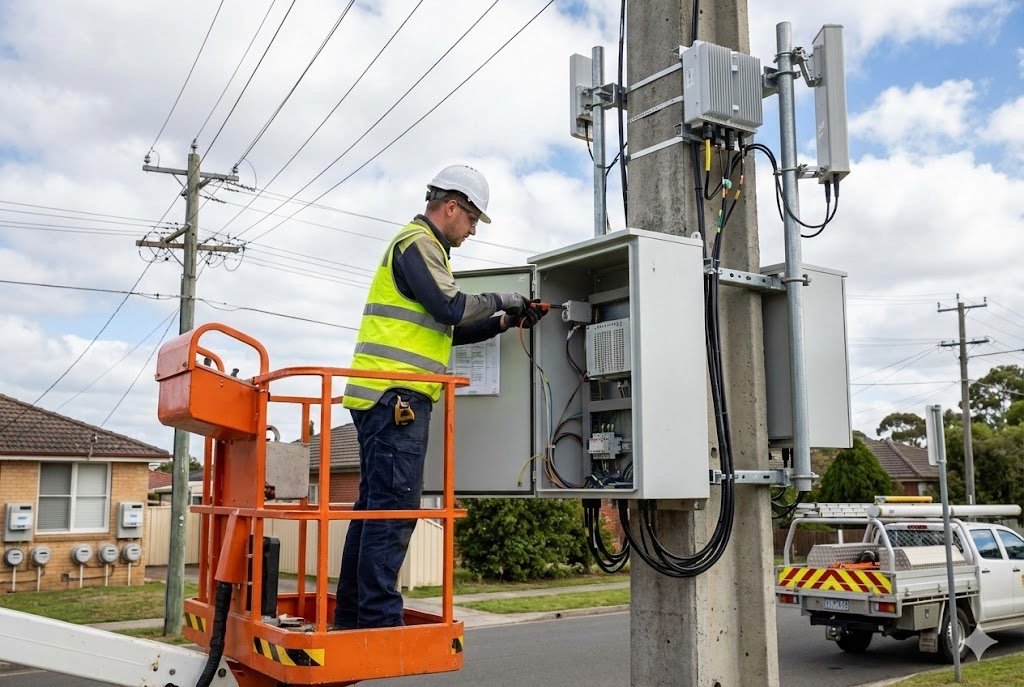
Dive deeper Paragraph: I always tell my customers at Nexcir: "Do not look at the price of the chip; look at the price of the truck roll14." A truck roll14 is when you have to send a technician to fix a device. One visit costs more than a thousand chips.
Smart meters are infrastructure. They are not like mobile phones that you replace every two years. They need to work for 15 to 20 years. This brings us back to my insight about "anti-fatigue."
- Fatigue: Every time the device heats up and cools down, the solder joints stress. Every time the power cycles, the silicon stresses.
- Resistance: The LYT0006D is built to resist this fatigue.
Because the circuit is simple, there is less heat. Less heat means the capacitors last longer. Because the MOSFET is strong, it does not degrade over time.
Key Infrastructure Requirements Met by LYT0006D:
- Zero Maintenance: No optocouplers to degrade over time.
- Wide Input Range: Works even when the grid is unstable.
- Self-Restart: If a fault happens, it protects itself and restarts automatically.
When we supply components for these projects, we verify the authenticity. We ensure the date codes are fresh. But the design must be right first. Using the LYT0006D ensures that the meter can handle the "power-down/power-up" shocks that happen over a 20-year life. It is the solid foundation that every smart grid needs.
Conclusion
The LYT0006D handles grid pollution with a strong 700V MOSFET and a simple design. It ensures smart meters last for decades without expensive repairs.
Understanding dirty power helps in identifying its impact on sensitive electronics and the need for robust power solutions. ↩
Learn how voltage spikes can harm electronics and why protection is crucial for device longevity. ↩
Discover the advantages of using high-efficiency off-line switchers in power supply designs. ↩
Explore the significance of a 700V MOSFET in handling voltage surges and ensuring device safety. ↩
Understand harmonic pollution and its effects on power grids to better protect electronic devices. ↩
Find out why transient protection is essential for the reliability and longevity of smart meters. ↩
Discover the impact of voltage distortion on electronics and how to mitigate its effects. ↩
Explore the role of sine waves in power supply performance and how deviations can impact devices. ↩
Learn about the benefits of non-isolated buck topology in simplifying power supply circuits. ↩
Discover the importance of thermal management in preventing overheating and ensuring device longevity. ↩
Learn about MTBF and its role in ensuring the reliability of long-term infrastructure projects. ↩
Explore how anti-fatigue properties enhance the durability and lifespan of electronic components. ↩
Understand the effects of power cycling on electronics and how to design for resilience. ↩
Understand the concept of a truck roll and its financial impact on maintaining infrastructure. ↩