leading paragraph: Car electronics are becoming very complex. Are your window controls failing due to bad signals or weak connections? You need a reliable communication bridge1 to fix this problem.
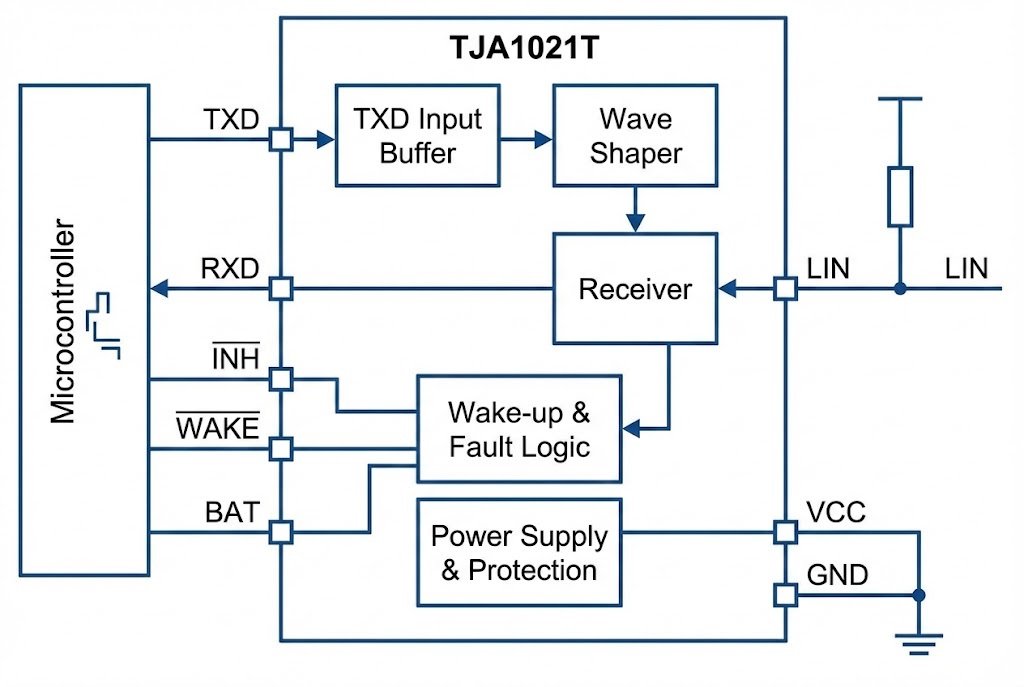
snippet paragraph: The TJA1021T2 is the interface between the LIN protocol controller3 and the physical bus. It is essential for in-vehicle sub-networks like door modules and seat controls. It manages data transmission effectively, offering low power consumption4 and high electromagnetic compatibility (EMC)5 for modern automotive systems.
Transition Paragraph: I have seen many engineers struggle with selecting the right part for simple tasks. Let us look closer at the details of this component.
LOOP START
What makes the TJA1021T2 the standard for low-speed automotive networks6?
leading paragraph: High-speed data is great, but it is costly. Do you really need expensive wiring for a simple mirror adjustment? No, you do not need that complexity.
snippet paragraph: The TJA1021T2 connects the protocol controller to the physical LIN bus. It is designed for speeds up to 20 kbit/s7. This makes it perfect for controlling actuators and sensors in doors, seats, and roof modules where high bandwidth is unnecessary.
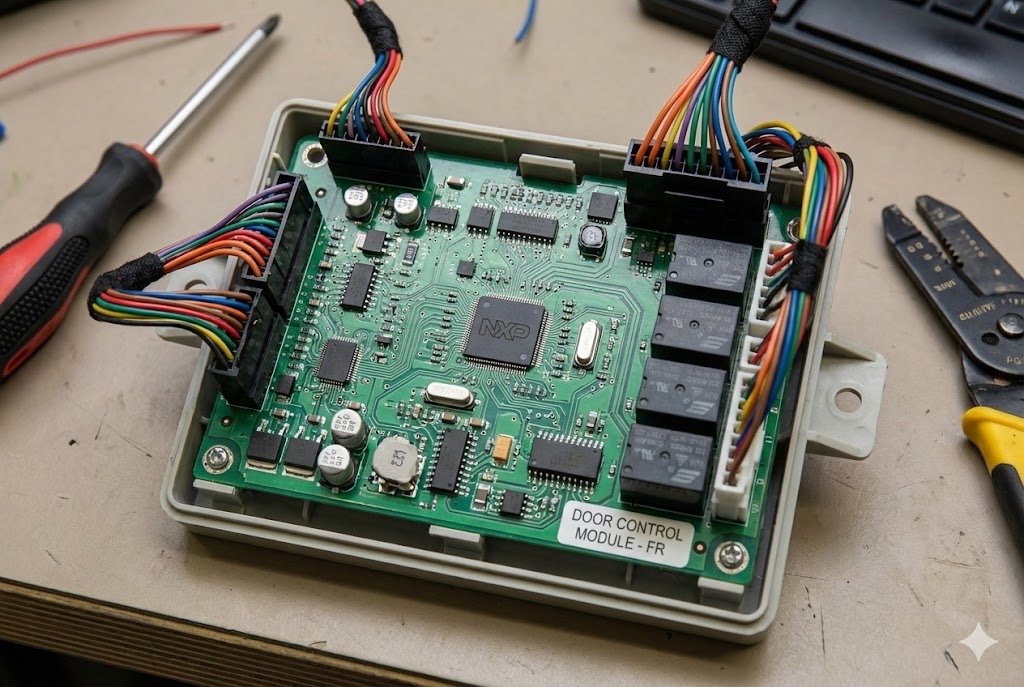
Dive deeper Paragraph: I want to talk about why we use the LIN bus. In a car, not everything needs to be fast. Think about your power windows or your side mirrors. You press a button, and the window goes down. This action does not require high-speed data like a video camera or an engine control unit. This is where the TJA1021T2 fits in.
The TJA1021T2 solves a specific technical pain point. Using high-speed networks like CAN for everything is too expensive and heavy. The LIN bus is a single-wire system8. It is cheap and light. The TJA1021T2 allows the microcontroller to talk to this single wire.
Here is a breakdown of why this specific chip is useful for low-speed control:
Key Features Breakdown
| Feature | Benefit for the Car |
|---|---|
| Baud Rate9 | Supports up to 20 kbit/s7. This is perfect for "human speed" actions like moving a seat. |
| Pin-to-Pin10 | It fits industry standards. You can replace older chips easily. |
| Low Slope11 | It reduces electromagnetic noise. This means it does not interfere with the car radio. |
I have worked with clients who tried to over-engineer their systems. They wanted CAN bus everywhere. I told them to look at the cost. The TJA1021T2 reduces the cost per node significantly. It handles the local sub-systems efficiently. It takes the signal from the main computer and sends it to the edge of the car, like the sunroof or the wiper. It is the worker bee of the car's electronic system.
LOOP END
LOOP START
How does the Master/Slave design12 function within the TJA1021T2 architecture?
leading paragraph: Designing a network node is hard work. If the master node fails, does the whole car stop working? You must prevent this risk in your design.
snippet paragraph: The TJA1021T2 supports both master and slave applications. It includes built-in protection against short circuits and thermal overload. This ensures that even if one slave node fails, the rest of the LIN bus remains operational and safe.
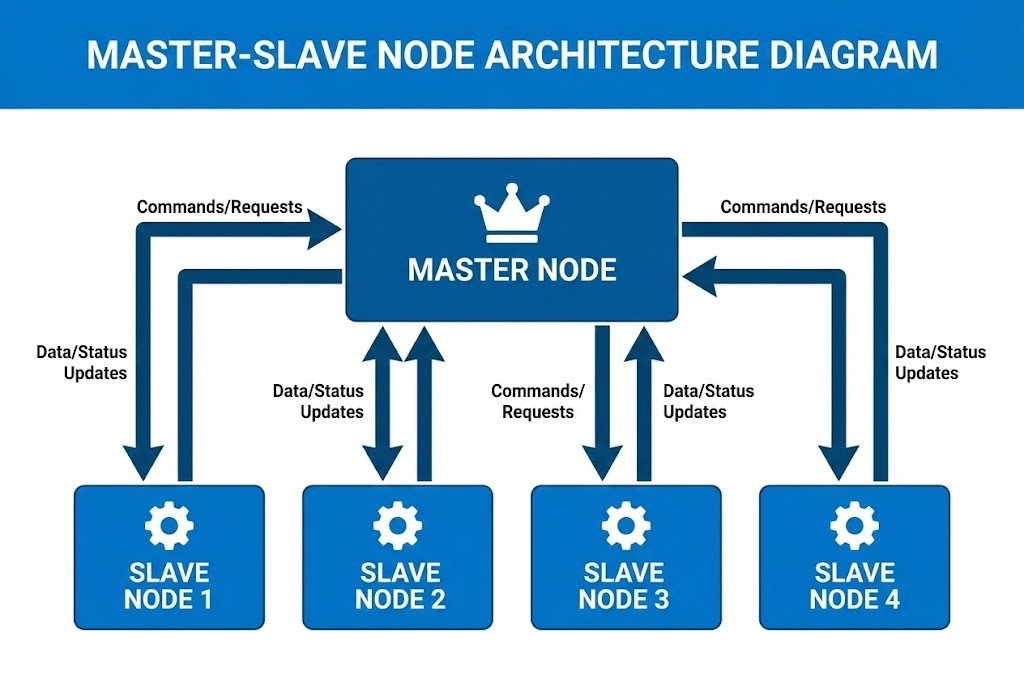
Dive deeper Paragraph: Let us go deeper into the architecture. In a LIN network, you have one Master and many Slaves. The TJA1021T2 is versatile. You can use it in the Master node, or you can use it in the Slave nodes.
When I look at a door module, the main controller in the door is the Master. The switch for the window, the motor for the lock, and the light in the handle are Slaves. The TJA1021T2 handles the physical layer for all of them.
One major issue in cars is power consumption. When you park your car, you do not want the battery to die. The TJA1021T2 has a very low current consumption in sleep mode13. However, it needs to wake up quickly when you unlock the car.
Operational Modes
- Normal Slope Mode: This is for active communication. It shapes the signal to reduce noise.
- Sleep Mode: This is critical. The chip turns off most functions but keeps listening.
- Standby Mode: This is a state between sleep and active.
The "wake-up" feature is very smart. It can wake up from the bus line itself or from the microcontroller. If a wire shorts to the ground, the TJA1021T2 has protection. It will not burn out. It disconnects the transmitter. This is vital for reliability. If a wire in the door gets pinched, the chip protects itself. This robustness is why we see it in so many OEM designs.
LOOP END
LOOP START
Why should you purchase TJA1021T2 together with TJA1051 CAN transceivers14?
leading paragraph: Sourcing parts one by one is slow. Are you wasting time finding separate suppliers for CAN and LIN? You can save effort and money right now.
snippet paragraph: Most automotive Electronic Control Units (ECUs) use both CAN for high speed and LIN for low speed. Buying TJA1051 and TJA1021T2 together ensures compatibility. It also simplifies your supply chain management and often results in better bulk pricing from distributors like Nexcir.
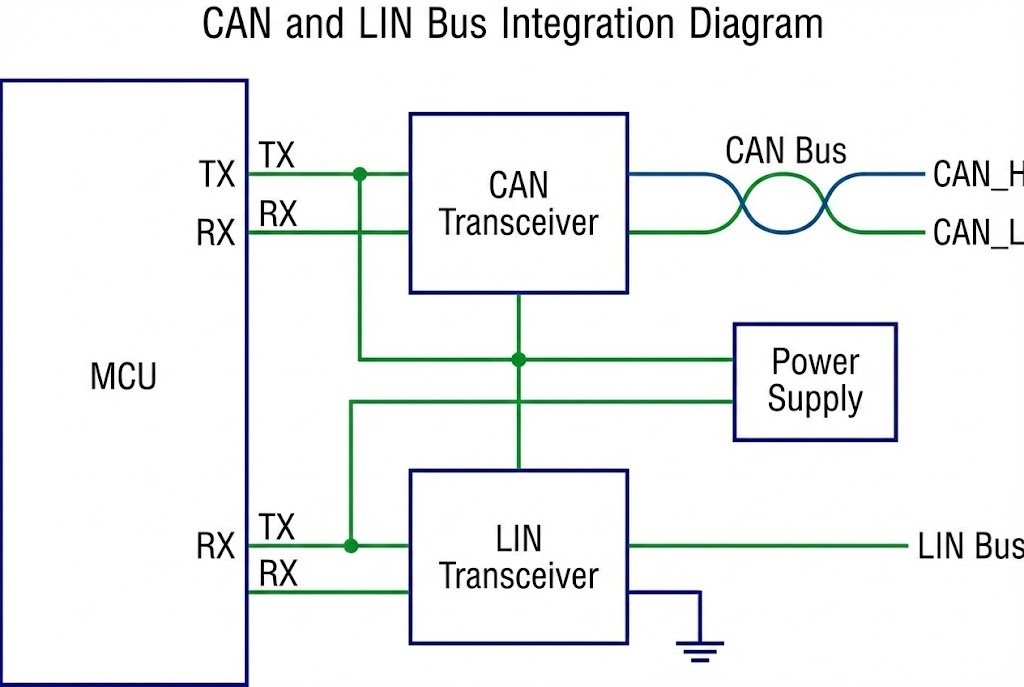
Dive deeper Paragraph: This is a key insight for procurement managers. I often see purchase orders for just one type of chip. But if you look at the schematic of a Body Control Module (BCM)15, you will see they sit next to each other.
The TJA1051 is a high-speed CAN transceiver. It talks to the engine and the brakes. The TJA1021T2 is the LIN transceiver. It talks to the windows. The BCM acts as a gateway. It takes messages from the CAN bus and sends them to the LIN bus.
The Bundle Strategy
When you buy these, you should buy them as a set. Here is why:
- Supply Chain Logic: They often come from the same manufacturer (NXP).
- Production Timing: You need both to build the board. If one is missing, the line stops.
- Cost Efficiency: We at Nexcir can offer a better package deal.
I always tell my team: "When a customer buys CAN, ask if they need LIN." It is a natural pair. It is like buying shoes and socks. You rarely need one without the other in a full system build.
| Component | Role | Speed | Typical Application |
|---|---|---|---|
| TJA1051 | CAN Transceiver | High (up to 5 Mbit/s) | Engine, Safety, Chassis |
| TJA1021T2 | LIN Transceiver | Low (up to 20 kbit/s7) | Comfort, Body, Lights |
By sourcing them together from Nexcir, you ensure that the date codes match your production schedule. You also simplify your logistics. You get one shipment instead of two. This saves administrative time and shipping costs.
LOOP END
LOOP START
How can you ensure the authenticity of your TJA1021T2 supply?
leading paragraph: Fake chips destroy reputations and safety. Are you worried that your cheap components will fail in the field? You must prioritize quality sources above all else.
snippet paragraph: Counterfeit NXP chips are common in the market. Sourcing TJA1021T2 from a distributor with authorized channels16 guarantees functionality. This prevents costly recalls and ensures that the sleep mode and wake-up functions perform exactly as specified in the datasheet.
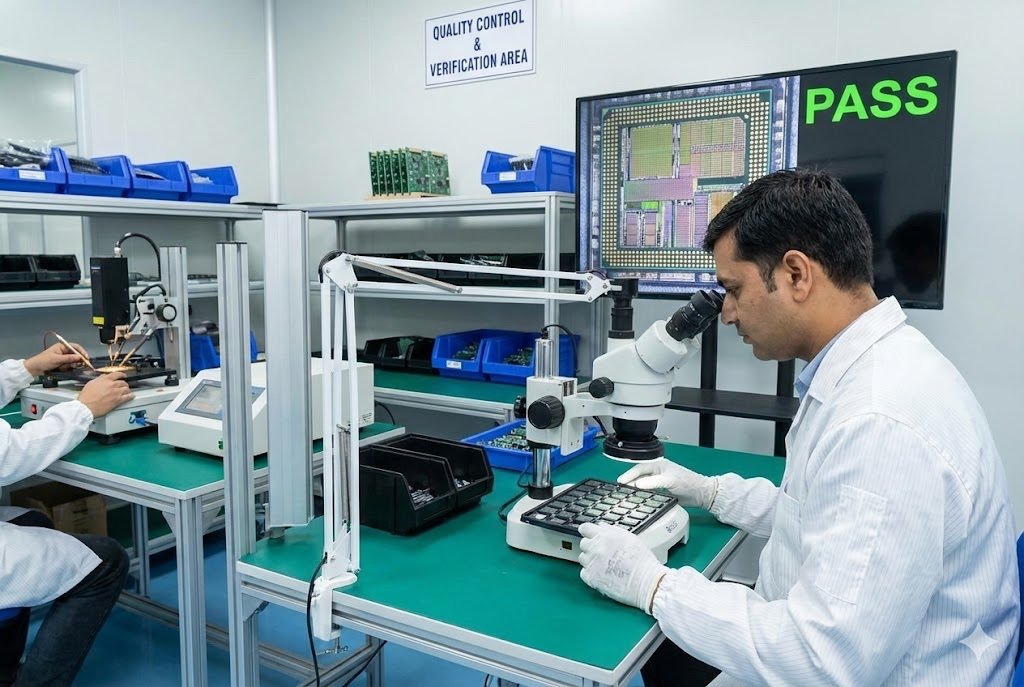
Dive deeper Paragraph: The market for these chips is huge. Because the TJA1021T2 is so popular, there are many fakes. I have seen "refurbished" chips that look new but fail after a week. In a car, a failure is not just an annoyance. It is a safety risk. Imagine if a window does not close in the rain, or a mirror moves on its own.
At Nexcir, we take this seriously. We have over 20 years of experience. We know what a real label looks like. We know how the pins should look under a microscope.
Risks of Gray Market Sourcing
- Inconsistent Wake-up: Fake chips often fail to wake up from sleep mode. The battery drains.
- EMC Failures: Real chips have specific silicon to stop noise. Fakes do not. They cause radio static.
- Thermal Issues: Fakes might overheat and melt the solder.
We source from authorized channels16. We ensure traceability. When you buy from us, you get the assurance that the silicon inside the package is genuine NXP. We support OEM and ODM clients who cannot afford a line-down situation or a recall. We verify the goods before we ship them. We want to be your long-term partner, not just a one-time seller. Trust is the most important part of our supply chain.
LOOP END
Conclusion
The TJA1021T2 is vital for LIN networks. Pair it with CAN chips for efficiency. Choose Nexcir for authentic parts to ensure your automotive designs remain safe and reliable.
Understanding reliable communication bridges can help you fix issues with window controls and other car electronics. ↩
Learn about the TJA1021T's role in managing data transmission in modern automotive systems. ↩
Explore how the LIN protocol controller interfaces with the physical bus in vehicle sub-networks. ↩
Discover the benefits of low power consumption in automotive systems and how it enhances efficiency. ↩
Understand the importance of high EMC in reducing interference in automotive electronics. ↩
Find out why low-speed networks are preferred for certain automotive applications like mirror adjustments. ↩
Learn why 20 kbit/s is ideal for controlling actuators and sensors in automotive systems. ↩
Explore the cost and weight benefits of using a single-wire system like the LIN bus in cars. ↩
Understand how Baud Rate impacts the speed and efficiency of automotive network communications. ↩
Learn about the benefits of Pin-to-Pin compatibility for easy replacement of older chips. ↩
Discover how Low Slope technology minimizes interference with car radios and other electronics. ↩
Understand the Master/Slave architecture and its role in maintaining network reliability. ↩
Explore how low current consumption in sleep mode helps preserve car battery life. ↩
Find out how buying TJA1051 and TJA1021T together ensures compatibility and cost efficiency. ↩
Learn about the BCM's function as a gateway between CAN and LIN buses in automotive systems. ↩
Ensure the authenticity and reliability of automotive parts by sourcing from authorized channels. ↩