
Worried about counterfeit parts1 and unreliable deliveries halting your production? These issues can ruin your reputation. The right partner ensures authentic components and a stable supply chain.
A great sourcing partner2 offers more than just parts. They provide trust, global reach, and guaranteed quality. You should look for a partner with proven experience, transparent processes, and strong supplier relationships3.
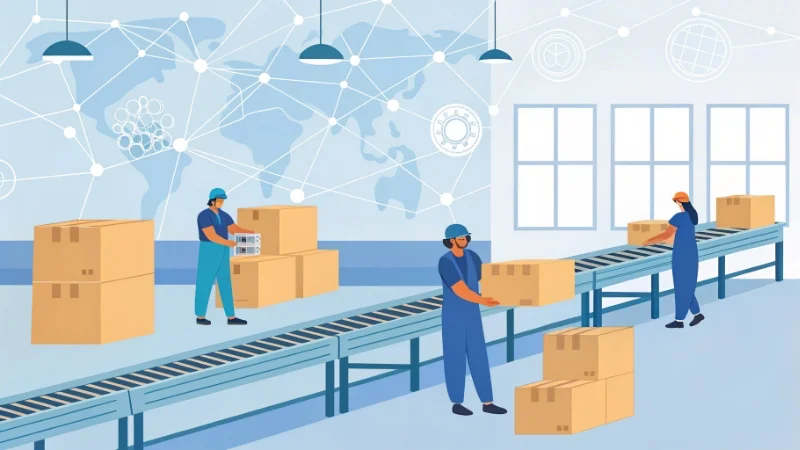
Finding a partner like this seems hard, but it is the most important step for a secure supply chain. It is about building a foundation for your success. Let's break down what really matters and how you can make the right choice for your business.
Why is Quality Assurance More Than Just a Certificate?
A part has a certificate, but you still worry about its origin. Counterfeit components can cause catastrophic failures and destroy your brand's reputation. True quality assurance4 means full traceability5.
Quality assurance is a partner’s promise of authenticity. This means sourcing only from authorized distributors6 and manufacturers. It includes providing full traceability5 and having strict inspection processes to guarantee every single component is genuine.
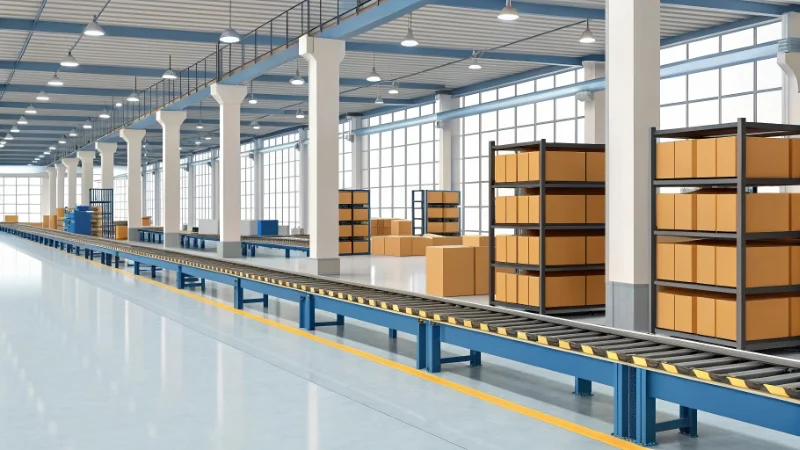
A piece of paper is just a piece of paper. True quality assurance4 is a system, a promise that runs through a partner's entire operation. When I talk to clients, this is often their biggest concern. They have been burned before by suppliers who provided parts that looked right but failed in the field. This is where the commitment to quality becomes real. It is not just about a final check. It starts with the very first step: where the components come from. A reliable partner will never compromise on their sourcing channels7. They build their entire business on a foundation of trust, and that trust begins with only working with original manufacturers and their authorized distributors6. This strict policy eliminates the vast majority of risks associated with counterfeit parts1 from the very beginning.
Sourcing from Verified Channels
The most critical part of quality assurance4 is the source. We made a decision early on at Nexcir to only source from channels we can verify completely. This means we work directly with original equipment manufacturers (OEMs) and their authorized distribution partners. We avoid the open market or "grey market" because the risks are just too high. A part from an unverified source has no history. You do not know how it was stored, how it was handled, or if it is even a genuine product. I have seen cases where these parts were refurbished, remarked, or outright fakes. A failure in an industrial or automotive application is not just a financial loss; it can be a safety disaster. That is why a trustworthy partner will always be transparent about their supply chain and provide you with the documentation to prove it.
The Importance of Traceability
Traceability means you can follow a component's journey from the factory to your production line. A good partner can provide you with lot numbers, date codes, and country of origin for every part. This information is crucial. If there is ever a product recall or a quality issue, you can quickly identify the affected batches. Without traceability5, you are flying blind. We had a client who sourced from a cheaper supplier and faced a massive field failure. They could not trace the bad components, so they had to recall every single product. The cost was enormous. A reliable partner ensures this never happens by maintaining meticulous records and providing full transparency.
| Feature | A Reliable Partner (like Nexcir) | A Risky Supplier |
|---|---|---|
| Sourcing Channels | Authorized Distributors & OEMs only | Open market, unverified brokers |
| Traceability | Full documentation, lot codes, date codes | None or incomplete information |
| Transparency | Open about supply chain and processes | Vague answers, unwilling to share info |
| Risk of Counterfeit | Extremely Low | High |
How Does a Global Supply Network Benefit My Business?
A key component is out of stock locally, and your deadline is at risk. This single point of failure can stop your entire production line. A global network gives you options.
A global supply network8 gives you access to components unavailable in your region. It helps find better pricing, navigate shortages, and secure parts much faster. This ensures your production schedule stays firmly on track.
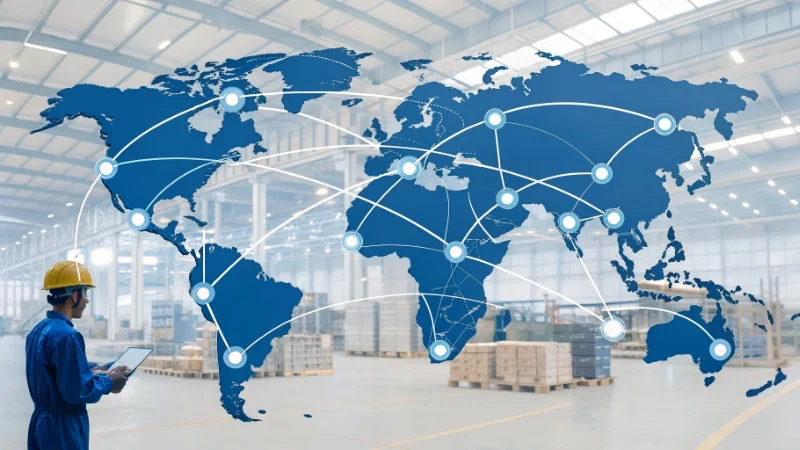
Your business operates in a global market, so your supply chain should too. Relying only on local suppliers is like tying one hand behind your back. The electronics market is dynamic. A shortage in one region might be a surplus in another. A partner with a truly global network can see the entire playing field. They have established relationships with suppliers in North America, Europe, and Asia. This reach does more than just find parts; it provides strategic advantages. It allows you to be flexible and resilient, especially when facing unexpected supply chain disruptions9. I believe a global network is not just a nice-to-have feature; it is an essential tool for survival and growth in today's competitive landscape. It turns a potential crisis into a manageable problem.
Overcoming Regional Shortages
I remember a client in Germany who was desperate for a specific microcontroller for their automotive product. The lead time in Europe was over 52 weeks, which would have delayed their product launch by a year. Their local suppliers could not help. Because we have strong partnerships in North America, we were able to check the inventory of authorized distributors6 there. We found the exact part they needed, in stock and ready to ship. We handled all the logistics and customs, and they had the components in their hands in less than two weeks. This is the power of a global network. It transforms a production-stopping problem into a simple logistical task. It provides options when local channels have none.
Price and Logistics Optimization
A global reach is not just for emergencies. It also creates opportunities for cost savings. Prices for the same component can vary significantly between different regions due to supply, demand, and currency exchange rates. A partner with a global footprint can source from the most cost-effective location without sacrificing quality. They can also consolidate shipments and negotiate better rates with logistics providers like DHL, FedEx, and UPS. This means you get authentic parts, delivered safely and on time, at a more competitive price. It is about using global market dynamics to your advantage, ensuring you get the best possible value for your procurement budget10.
| Benefit | How a Global Network Helps |
|---|---|
| Access | Finds parts that are out of stock in your local region. |
| Speed | Navigates global inventory to shorten long lead times. |
| Price | Sources from the most cost-effective market. |
| Resilience | Provides alternative options during supply chain crises. |
What Does a "Customer-Centric" Approach Really Mean?
Your supplier treats you like just another order number. This lack of support leaves you struggling with risks and inefficiencies. A true partner actually invests in your success.
A customer-centric approach11 means your partner understands your specific needs. They offer flexible services and expert market advice. They work proactively to solve your supply chain challenges12 and act as an extension of your team.

Many companies claim to be "customer-centric," but what does that truly mean in the electronic components industry? For me, it means we see your challenges as our challenges. It goes far beyond simply taking an order and shipping a box. A true partner takes the time to understand your business, your products, and your production schedule. They are not just selling you a part; they are providing a service that helps your business run smoother. This means being proactive. It means warning you about potential shortages before they become a crisis. It means suggesting alternative components if a part is going end-of-life (EOL). A customer-centric partner is a strategic asset, not just a vendor. They are invested in your long-term success because they know that your growth is also their growth.
Beyond Just Supplying Parts
Our team has over 20 years of experience in this industry. We have seen market cycles, component shortages13, and technology shifts. We use this experience to help our clients. For example, a client was using a specific power management IC that was suddenly allocated with a very long lead time. Instead of just telling them to wait, our team researched and found a pin-to-pin compatible alternative from another manufacturer that was in stock. We provided the datasheets and technical information they needed to validate it. This saved them from a six-month production delay. That is the difference. A supplier just tells you there is a problem. A partner helps you find a solution. We provide market insights14 and technical support because a well-informed customer is a successful customer.
Building a Long-Term Partnership
The goal is to move from a simple transactional relationship to a long-term strategic partnership. A transaction is about a single order. A partnership is about building trust over time. We work to be completely transparent in our operations. Our clients know where their parts are coming from and what to expect. We had another client who was struggling with fluctuating prices. We worked with them to create a long-term supply program. By helping them forecast their needs, we were able to secure a large volume of their critical components at a stable, locked-in price. This gave them budget predictability and protected them from market volatility. This is what a partnership looks like. It is about working together to create stability and value.
| Aspect | Transactional Supplier | Strategic Partner (like Nexcir) |
|---|---|---|
| Focus | Single order, short-term profit | Long-term success, mutual growth |
| Communication | Reactive, only when asked | Proactive, provides market insights14 |
| Service | Fulfills orders | Solves problems, offers alternatives |
| Relationship | Vendor-to-customer | Extension of your procurement team |
How Can I Verify a Partner's Experience and Reliability?
A new supplier promises you the world at a very low price. You are worried about their ability to deliver when things get tough. Experience is the best sign of reliability.
You can verify a partner’s experience by looking at their team's background, sourcing philosophy, and transparency. A reliable partner will openly discuss their supply channels, quality processes, and have a long track record.
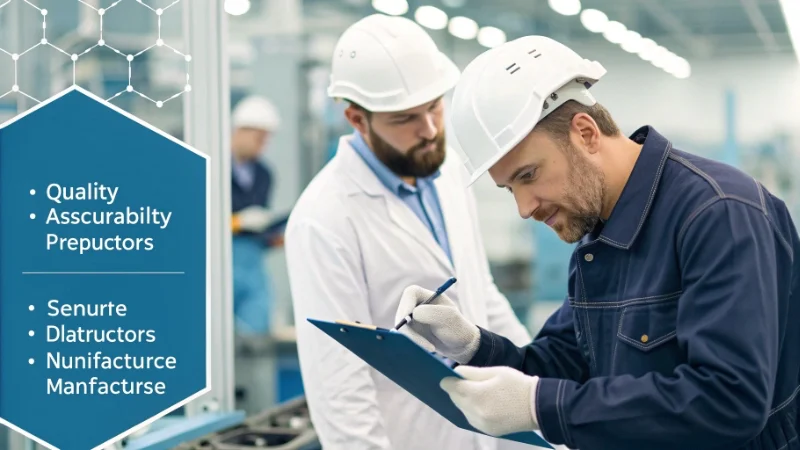
In our industry, trust is everything. A low price is tempting, but it is worthless if the parts are fake or if the supplier disappears when there is a problem. So, how do you find a partner you can truly rely on? You need to look deeper than their website or their price list. Reliability comes from experience, and experience is held by people, not just by a company name. You should ask tough questions about their processes and their team. A trustworthy partner will welcome these questions and answer them with transparency. They will be proud to show you how they operate because their processes are designed to protect you, the customer. An unreliable supplier, on the other hand, will often be vague and avoid giving straight answers.
The Value of Industry Experience
While Nexcir is a newer company, our founding team has been in the electronic components industry for over two decades. This experience is our most valuable asset. We have built strong, long-lasting relationships with authorized suppliers across the globe. We understand the nuances of the market. We know how to spot red flags. We can anticipate industry trends and help our clients prepare for them. This deep knowledge allows us to navigate complex situations, like global chip shortages, with confidence. When you work with us, you are not just getting a supplier; you are getting access to 20 years of expertise. This experience helps us minimize your procurement risks and strengthen your competitiveness. It is the difference between a partner who is just reacting to the market and one who is helping you stay ahead of it.
Signs of a Trustworthy Partner
When you are evaluating a potential partner, look for concrete evidence of their reliability. A low price alone is a warning sign, not a benefit. A truly reliable partner will be able to prove their value through their actions and their transparency. They will operate with integrity because they know that is the only way to build a lasting business. Here is a simple checklist you can use to evaluate a potential sourcing partner2:
| Checklist for a Trustworthy Partner | Yes / No |
|---|---|
| Do they only source from authorized distributors6 and OEMs? | |
| Are they fully transparent about their quality control process? | |
| Can they provide full traceability5 for all components? | |
| Does their team have significant, verifiable industry experience? | |
| Do they offer market insights14 and technical support? | |
| Are they focused on building a long-term relationship? |
If the answer to these questions is "yes," you are likely on the right track to finding a partner who can provide real, long-term value.
Conclusion
Choosing the right sourcing partner is a strategic decision. It secures your supply chain, protects your brand, and builds a foundation for long-term growth and success.
Understanding the risks of counterfeit parts can help you safeguard your production and reputation. ↩
Choosing the right sourcing partner is crucial for ensuring quality and reliability in your supply chain. ↩
Strengthening supplier relationships can enhance collaboration and improve supply chain efficiency. ↩
Exploring quality assurance can help you understand its importance in maintaining product integrity. ↩
Traceability is key to identifying issues quickly and ensuring product safety. ↩
Authorized distributors play a vital role in ensuring the authenticity and quality of components. ↩
Identifying the best sourcing channels can ensure you get authentic and reliable components. ↩
A global supply network can provide strategic advantages and flexibility in sourcing components. ↩
Understanding the causes of disruptions can help you develop strategies to mitigate them. ↩
Optimizing your procurement budget can lead to significant cost savings and better resource allocation. ↩
A customer-centric approach can enhance collaboration and lead to better outcomes for both parties. ↩
Identifying supply chain challenges can help you proactively address potential issues. ↩
Managing component shortages is crucial for maintaining production schedules and avoiding delays. ↩
Market insights can help you make informed decisions and stay ahead of industry trends. ↩


