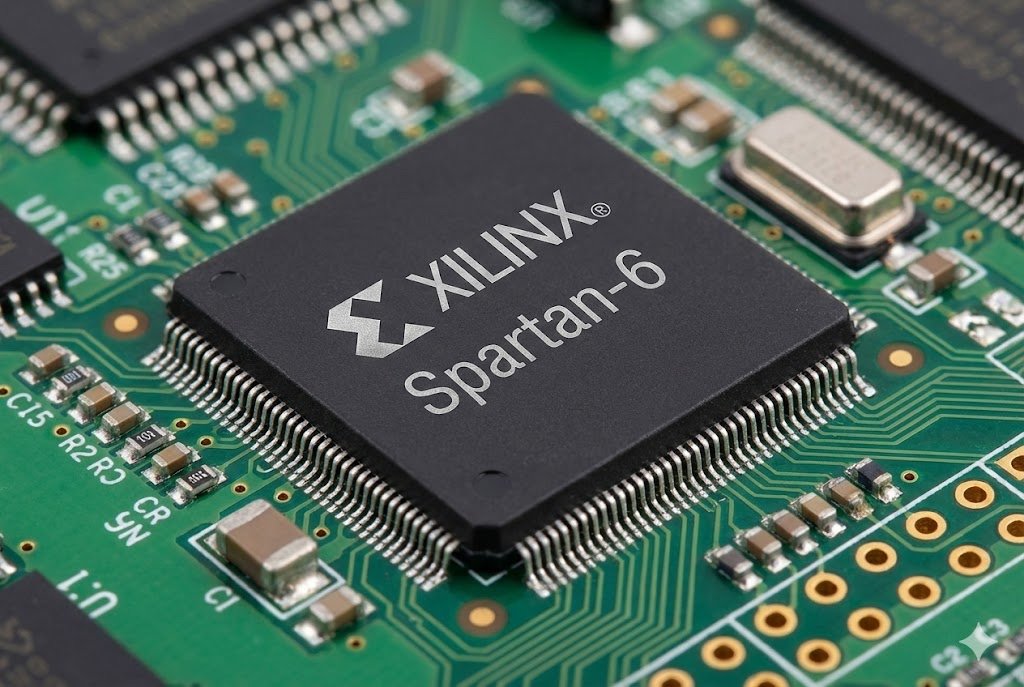
Your production line stops because you cannot find Xilinx Spartan-61 chips. The prices are high, and suppliers say "no stock." You feel stressed about meeting your delivery dates.
The Spartan-6 is not fully discontinued but faces severe shortages and long lead times2. To survive this crisis, you must secure remaining global spot inventory immediately or plan a migration to the Artix-73 series. NexCir helps you locate hard-to-find stock to keep production running.
I talk to many procurement managers every day. They all have the same problem. They need these chips now. Let us look at why this is happening and what you can do about it.
Why Is the Spartan-6 Supply Chain So Broken?
You check every major distributor, but the lead times2 are over 50 weeks. Your project cannot wait a year. You wonder if the part is obsolete.
The Spartan-6 relies on older 45nm process technology, which fabs no longer prioritize. While not officially "End of Life" (EOL) for all parts, the Spartan-6 is in a "twilight zone" where supply is low and demand remains high for legacy industrial equipment4.
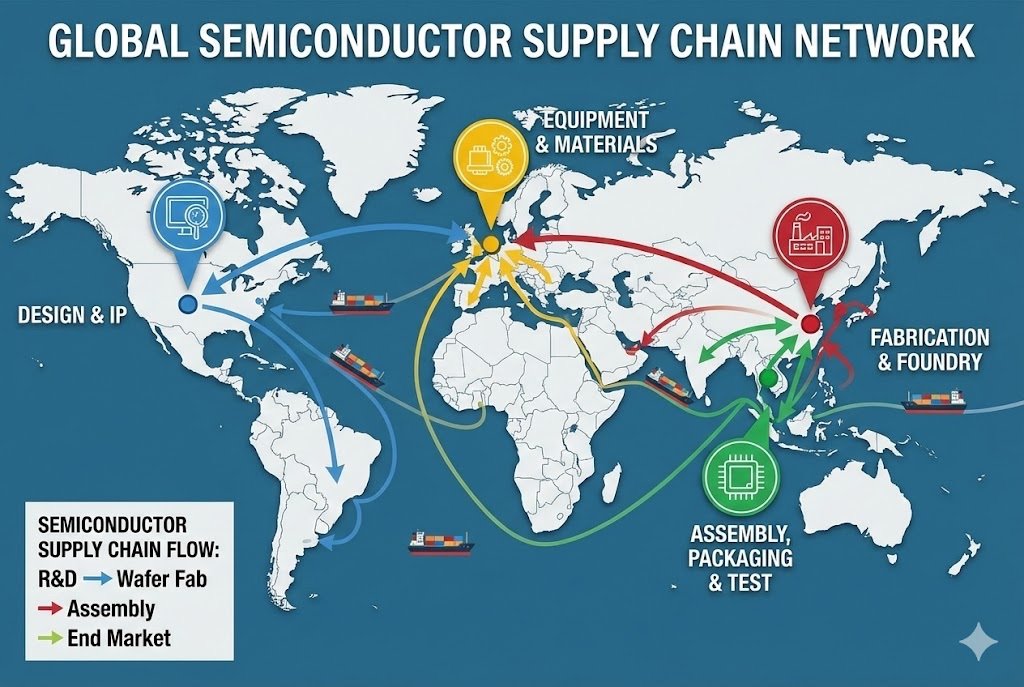
I see this situation often with my clients at NexCir. The problem is not just about demand; it is about the manufacturing priority5. The Spartan-6 uses a 45nm manufacturing process. This is an old technology. Most semiconductor foundries now focus on 28nm, 16nm, or even smaller nodes for newer chips like the Versal or UltraScale series. Because Xilinx (now AMD) makes more money on newer chips, they do not make enough Spartan-6 wafers.
This creates a "shortage economy6." The official distributors have empty shelves. However, the stock still exists. It sits in the warehouses of other OEM factories that bought too much last year. It sits with independent distributors in Asia or Europe. This is where the "Global Sourcing Capability7" of NexCir becomes critical. We do not just look at the standard lists. We look for excess inventory8 globally.
Here is a breakdown of the current market reality for this series:
| Factor | Status | Impact on You |
|---|---|---|
| Official Status | Active (mostly) | You expect to buy it easily, but you cannot. |
| Real Lead Time | 50 - 80 Weeks | You cannot plan production schedules. |
| Market Price | 5x - 10x Normal | Your BOM9 cost goes up significantly. |
| Counterfeit Risk | Very High | You risk buying fake chips from unverified sellers. |
You must understand that waiting for the factory is not a strategy right now. You need to find stock that is already on the ground.
What Are the Critical Technical Specifications You Need?
You want to replace the chip, but the specs are specific. You worry that a new chip will not work with your old board design.
The Spartan-6 offers a balance of low power, high I/O count, and low cost that is hard to match. Key features include the 45nm technology, hard memory controllers, and integrated transceivers. Understanding these specs helps you verify the authenticity of spot market stock.
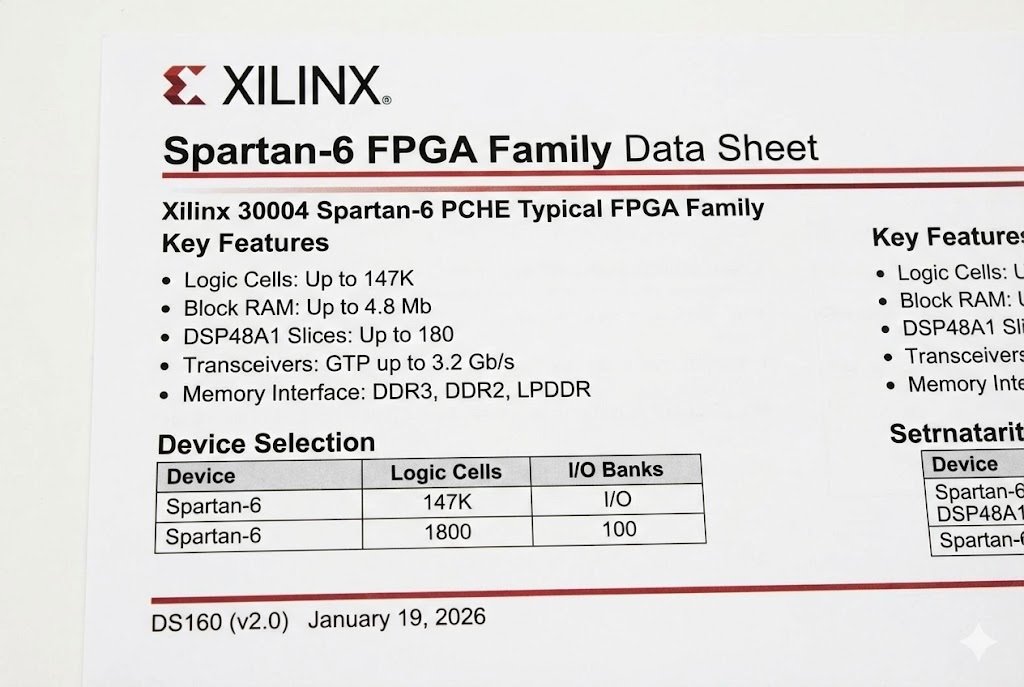
When I help engineers look for these parts, we always check the datasheet details10 first. The Spartan-6 is special because it fits a specific niche. It is powerful enough for image processing but cheap enough for high-volume consumer goods. If you are looking for stock in the open market, you must know exactly what you are buying.
The series is split into two main categories: LX (Logic Optimized) and LXT (High-Speed Connectivity). If your design uses the LXT version, you need the GTP transceivers. You cannot swap an LX part for an LXT part. Also, the packaging is critical. Many industrial customers use the BGA package. This is hard to solder and hard to replace.
Here are the key parameters you must confirm when sourcing:
Core Specifications Table
| Feature | Specification Details | Why it Matters |
|---|---|---|
| Logic Cells | 3,840 to 147,443 | Determines the complexity of the logic you can run. |
| Block RAM | Up to 4.8 Mb | Essential for buffering data in video or comms apps. |
| Memory Controller | DDR, DDR2, DDR3, LPDDR | Hard blocks save logic resources; must match your RAM. |
| Transceivers (GTP) | Up to 3.2 Gbps (LXT only) | Required for PCIe, SATA, or Gigabit Ethernet. |
| Voltage | 1.2V Core, 2.5V/3.3V I/O | Older I/O standards are why you cannot easily switch to Artix-73. |
I always tell my customers: do not just match the part number. Match the date code and the packaging condition. Because this chip is old, some stock might be from 2015 or 2016. That is okay, as long as the packaging is sealed and the moisture sensitivity level (MSL) is respected.
Which Alternatives Can Replace the Spartan-6?
You cannot find the original part. You need a backup plan. You fear that redesigning the PCB will take too much time and money.
The best internal alternative is the Xilinx Artix-73, though it requires a board redesign. For drop-in replacements, there are none. You must look at competitors like Lattice or Intel (Altera) Cyclone IV, but software changes are necessary.
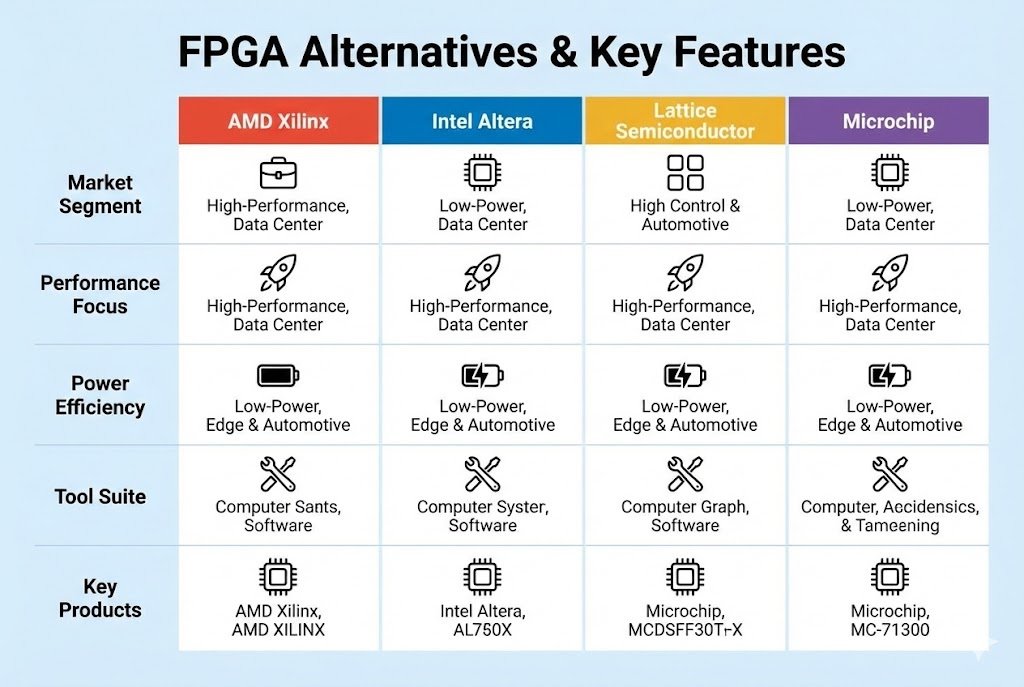
This is the hardest part of my job. I have to tell engineers that there is no "magic swap." You cannot pull out a Spartan-6 and plug in an Artix-73. The pinout is different. The power voltage is different. The Spartan-6 supports 3.3V native I/O, which is common in older industrial sensors. The Artix-73 is optimized for 1.8V or lower.
If you must redesign, the Artix-73 (XC7A series) is the logical path. It uses the same Vivado design suite (for newer parts) or ISE (for older legacy support). It offers better performance per watt. However, if your product is nearing the end of its life, a redesign is too expensive.
For some of my clients, we look at the Intel (Altera) Cyclone IV. It is also an older part, but sometimes the stock situation is different. It competes directly with Spartan-6 in terms of logic density and price. But changing to Altera means learning a new software tool (Quartus). This takes months of engineering time.
Replacement Strategy Matrix
| Option | Pros | Cons | Verdict |
|---|---|---|---|
| Sourcing "Obsolete" Stock | No redesign needed. Immediate fix. | High price. Risk of fakes. | Best for immediate production needs. |
| Migrate to Artix-73 | Long-term supply stability. Better tech. | Requires new PCB. Voltage changes. | Best for products with >5 years life left. |
| Switch to Lattice ECP511 | Low power. Good price. | Different architecture. Software learning curve. | Good for cost-sensitive new designs. |
| Switch to MCU | Cheap. Easy to source. | Cannot handle parallel processing. | Only works for very simple FPGA tasks. |
At NexCir, we focus on the first option: Sourcing. We know that redesigning a board for a machine that has been sold for 10 years is not practical. We help you find the original parts so you do not have to change your design.
How Can NexCir Secure Stock When Everyone is Out?
You see "0 stock" on DigiKey and Mouser. You think there is no hope. You are ready to tell your boss the bad news.
Do not rely only on authorized distributors. NexCir uses a global network to find excess inventory8 from other OEMs. We verify these "ghost" parts to ensure they are original. This strategy solves shortages when standard channels fail.
We founded NexCir in 2025 because we saw a gap. Traditional distributors just sell what they have on the shelf. When the shelf is empty, they say "sorry." We do not work like that. We are solution providers. We are not just selling parts; we are solving a supply chain12 crisis.
When you send us a BOM9 with a Spartan-6 part, we activate our global network. We have partners in Europe, North America, and Asia. These partners are not just random brokers. They are verified companies that have excess stock. Maybe a factory in Germany bought 10,000 chips but only used 5,000. They want to sell the rest. We find that stock for you.
But finding it is only step one. The most important step is Quality Control. Because these parts are scarce, bad actors try to sell fake chips. They repaint old chips to look new. I have seen this happen to many companies who buy from open markets without testing.
Our Verification Process
- Visual Inspection: We check the label, the font, and the surface of the chip. We use microscopes to look for sanding marks.
- X-Ray Testing13: We look inside the chip. We compare the die (the silicon inside) with a "Golden Sample" (a known good part). If the wire bonds look different, it is a fake.
- Decapsulation: Sometimes we dissolve the plastic package to read the markings on the actual silicon die.
- Solderability Test: We make sure the leads are not oxidized so your factory can use them easily.
We take the risk so you do not have to. We ensure that the Spartan-6 you buy from us works exactly like the one you bought five years ago.
Conclusion
The Spartan-6 shortage is real, but you have options. Do not stop production. NexCir finds verified global stock or helps you plan a safe migration. Upload your BOM9 today.
Explore this link to understand the latest market trends and stock availability for Xilinx Spartan-6 chips. ↩
Learn about lead times in the semiconductor industry to better plan your procurement strategies. ↩
Explore the benefits of migrating to Artix-7 and how it can enhance your projects. ↩
Discover the demand dynamics for legacy equipment and its impact on chip supply. ↩
This link will explain how manufacturing priorities influence the availability of older chips. ↩
Understanding a shortage economy can help you navigate current market challenges effectively. ↩
Explore how Global Sourcing Capability can help you find hard-to-source components. ↩
Learn how to utilize excess inventory to meet urgent production needs. ↩
Explore the concept of BOM and its critical role in electronics manufacturing and sourcing. ↩
This resource will guide you on how to effectively read datasheets for better sourcing. ↩
This link will provide a comparison of Lattice ECP5 and Spartan-6 to help in your decision-making. ↩
This resource will provide insights into the complexities of the semiconductor supply chain affecting chip availability. ↩
Learn about X-Ray Testing and its importance in verifying the authenticity of electronic parts. ↩