Finding reliable drivers for older industrial machinery is often a headache for procurement managers. Are you struggling to maintain legacy PLCs or print heads effectively?
The UDN2987LWTR1 is a robust 8-channel high-side source driver designed to handle inductive loads2 like relays, solenoids, and thermal print heads3. It provides -500mA output per channel with built-in protection, making it essential for maintaining industrial PLC outputs and ensuring system longevity.
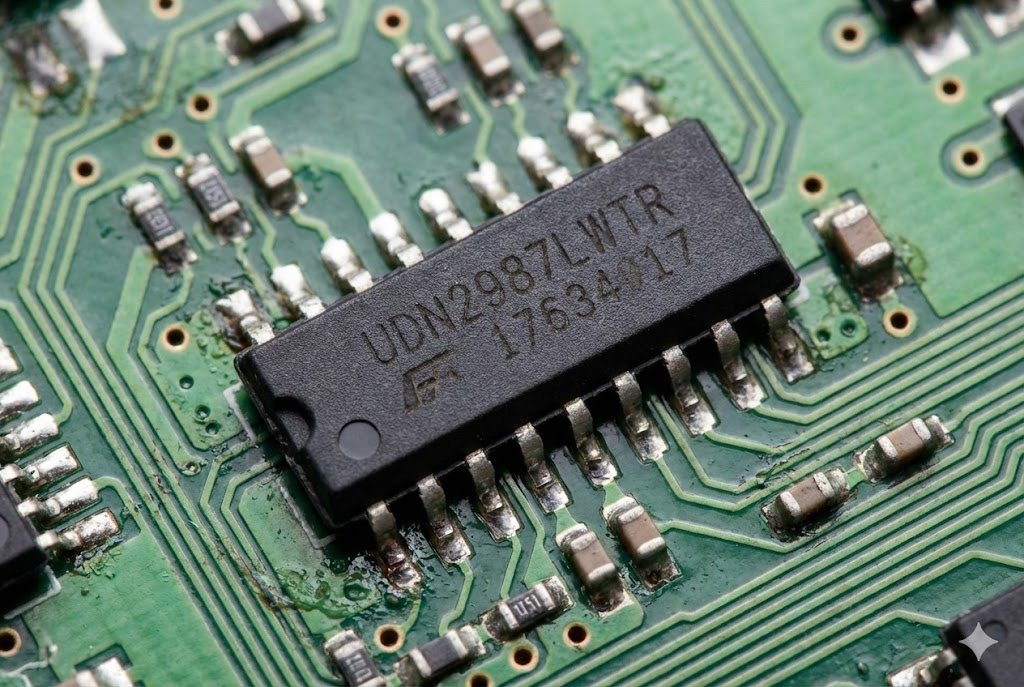
I have seen many engineers struggle with sourcing this specific part. Let me explain why this component is still vital today.
What makes the UDN2987LWTR1 unique for industrial applications?
You need consistent power for relays. Voltage spikes can destroy circuits. This chip stops that from happening.
The UDN2987LWTR1 stands out because of its over-current protection4 and transient suppression5. It integrates eight source drivers into one package, saving board space while safely driving high-current loads in harsh industrial environments.
Understanding the High-Side Architecture
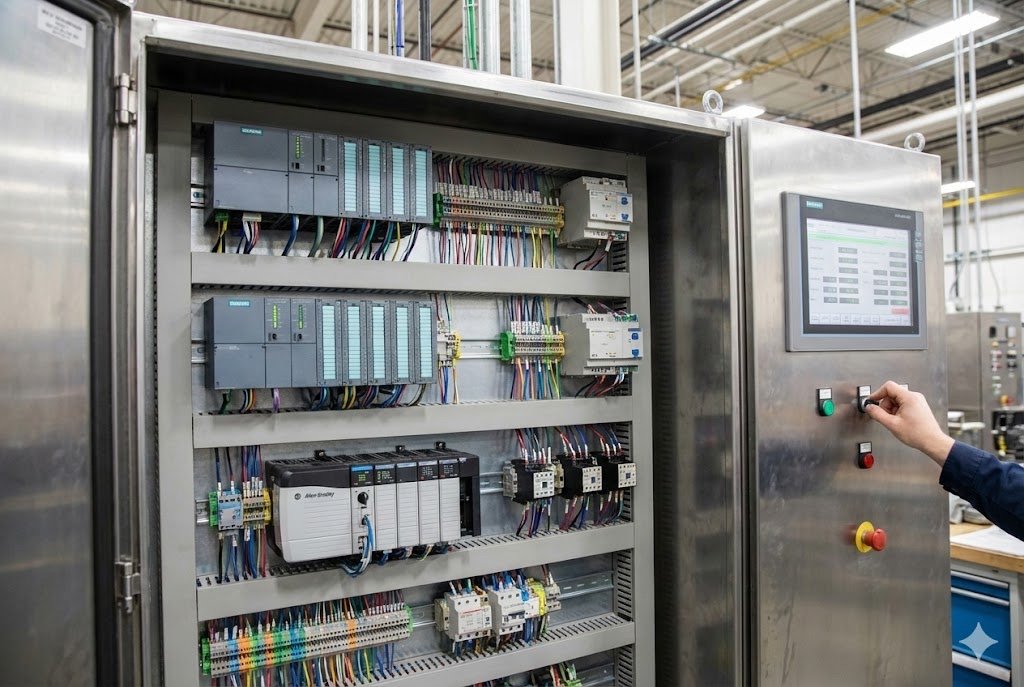
In my experience with industrial electronics, the term "High-Side Driver6" is crucial. It means the switch is placed between the positive power supply and the load. The UDN2987LWTR1 excels here. It allows the load to be grounded directly. This is safer for many industrial systems. If a wire breaks and touches the chassis, the load simply turns off. It does not turn on unexpectedly. This safety feature is why Programmable Logic Controllers (PLCs)7 use this chip so often.
Technical Breakdown
I want to break down why this specific chip is so effective. It is not just about turning things on and off. It is about protection.
| Feature | Benefit |
|---|---|
| 8 Channels | You can control eight different relays or print head segments with one chip. |
| -500mA Output | It has enough power to drive standard industrial relays directly. |
| Internal Diodes8 | These clamp the voltage spikes when a relay turns off, protecting the logic board. |
| Over-Current Protection | If a short circuit happens, the chip limits the current to save itself. |
This chip simplifies the design. You do not need external diodes or fuses for every channel. This reduces the bill of materials. For a hardware engineer, this means less time routing tracks on a PCB. For a buyer, it means fewer parts to source.
Why is this chip considered "hard currency" in the repair market9?
Machines break down unexpectedly. Downtime costs money. Finding parts takes too long.
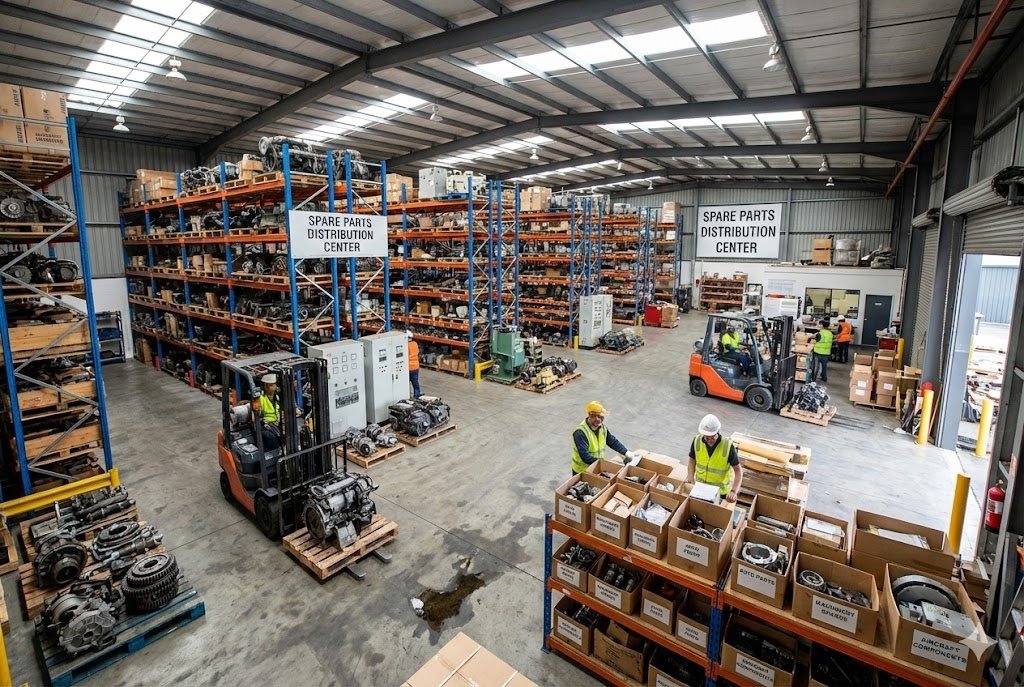
This component is vital for repairing legacy equipment10 because many modern alternatives do not match its specific pinout or thermal characteristics. Having stock of UDN2987LWTR1 ensures immediate repair of critical production lines without redesigning the entire control board.
The Challenge of Obsolescence
I consider the UDN2987LWTR1 to be a "hard currency" in the industrial repair market9. This is an older chip. Many manufacturers have moved to newer technologies. However, factories do not change their machines every year. Some production lines run for twenty years. When a PLC output card fails, it often needs this exact chip. You cannot easily swap it for a modern MOSFET driver. The pin layout is different. The logic levels are different.
Scarcity and Value
Because this part is harder to find now, its value goes up. It is a classic case of supply and demand11.
- Repair Shops: They need this on the shelf. If a client's machine stops, they cannot wait four weeks for a part.
- Legacy Systems: Many thermal printers in logistics centers still use this driver.
- No Direct Replacement: There are few drop-in replacements that offer the same protection features in the exact same package.
At Nexcir12, we see this often. A customer calls in a panic. Their production line is down. They need 50 pieces of UDN2987LWTR1 immediately. This is why we focus on maintaining a global supply network. We know where the stock is. We know who has the original parts. This knowledge is valuable. It saves our customers from expensive downtime.
How does it handle thermal print heads3 and relays effectively?
Print heads overheat easily. Relays stick or fail. Poor drivers cause these errors.
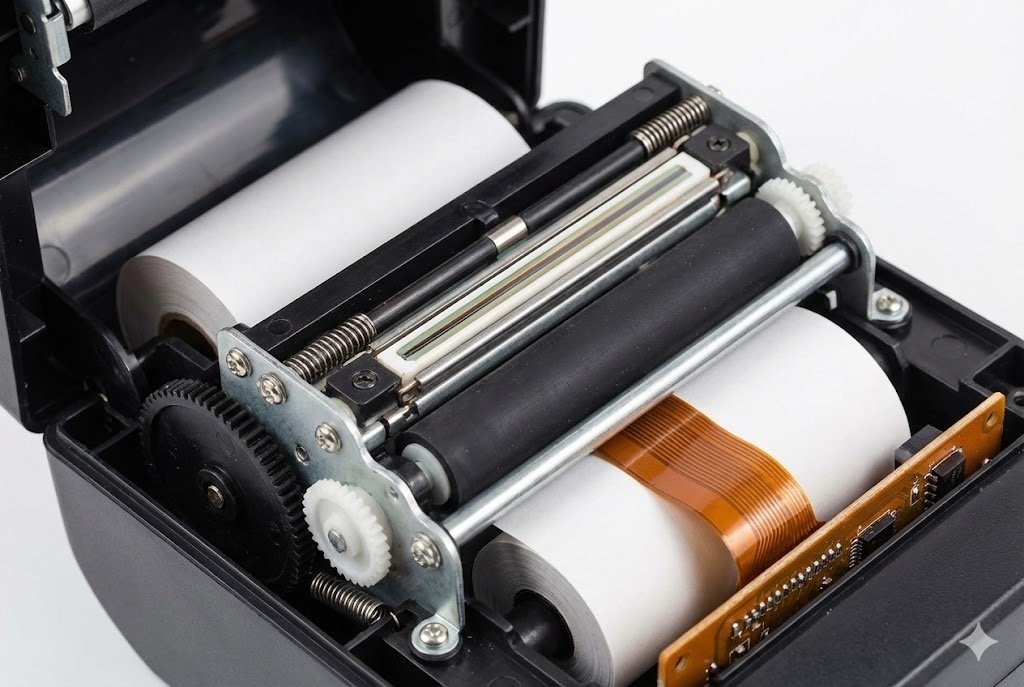
The UDN2987LWTR1 manages inductive kickback13 from relays and the high current demands of thermal print heads3. Its internal diodes clamp voltage spikes, protecting the logic circuitry while delivering precise power pulses required for clear printing and reliable switching.
Driving Inductive Loads
Let me explain the physics simply. When you turn on a relay, it is just a coil of wire. Current flows through it. It creates a magnetic field. This is easy. The problem happens when you turn it off. The magnetic field collapses. This creates a high voltage spike in the opposite direction. We call this "back EMF" or "kickback." This spike can be hundreds of volts. It can destroy a standard microcontroller instantly.
The UDN2987LWTR1 has built-in clamp diodes. They catch this spike. They send the energy safely back to the power supply or ground. This protects the sensitive logic gates that tell the driver what to do.
Precision for Print Heads
Thermal print heads are different. They are resistive loads, not inductive. But they need precise timing.
- Heat Control: The driver must turn on and off very fast. This controls how hot the print head gets.
- Consistency: If the current varies, the print looks faded or too dark.
- Multi-Channel: A print head has many dots. The 8 channels of the UDN2987LWTR1 allow it to control a section of the print head efficiently.
I have seen bad prints caused by cheap drivers. They do not handle the thermal load well. The UDN2987LWTR1 is designed to handle this heat. It has a thermal shutdown feature. If it gets too hot, it turns off to prevent permanent damage. This reliability is why it was the standard choice for so long.
What are the best practices for sourcing and testing this component?
Bad parts ruin reputation. You fear fake chips. Testing is expensive.
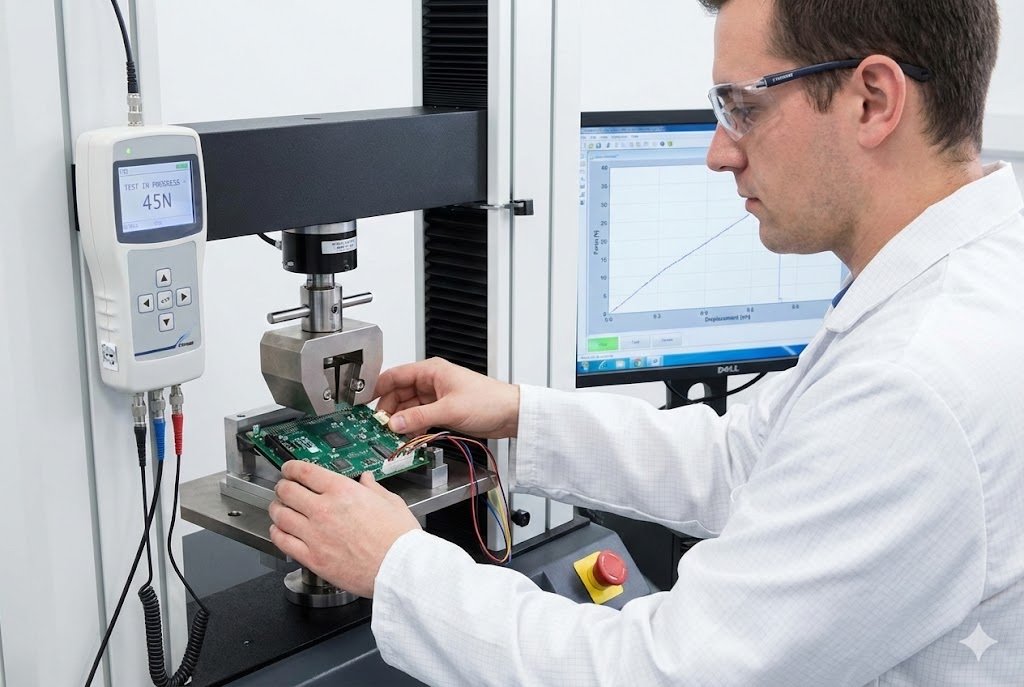
To ensure you get genuine UDN2987LWTR1 parts, you must verify the date codes and packaging integrity. Working with a specialized distributor like Nexcir12 guarantees traceability, reducing the risk of installing a counterfeit component that could damage your expensive industrial equipment.
Avoiding Counterfeits
Since this is a popular repair part, there are fakes in the market. I have seen "refurbished" parts sold as new. Someone pulls an old chip off a dead board. They sand off the top. They print new text on it. They sell it as new. This is dangerous. The internal bonds might be damaged. The protection circuits might be blown.
Nexcir12’s Verification Process
We take this seriously at Nexcir12. We have over 20 years of experience. We know what a real UDN2987LWTR1 looks like.
- Visual Inspection: We check the surface texture. The original package has a specific matte finish. Fakes are often too shiny.
- Pin Condition: The pins should be straight and free of solder marks. If there is solder, it is a used part.
- X-Ray Testing14: For large orders, we can look inside the chip. We check the die size. Fakes often use a smaller, cheaper die inside.
| Checkpoint | Genuine Part | Potential Fake |
|---|---|---|
| Marking | Laser etched, sharp edges. | Painted on, smears with acetone. |
| Pins | Clean, silver/tin finish. | Oxidized, bent, or re-tinned. |
| Bottom | Manufacturer code present. | Smooth or sanded marks. |
Sourcing this part requires trust. You need a partner who verifies the source. We only buy from authorized distributors or verified OEM excess stock. This ensures that when you put this driver in a PLC, it works for another ten years.
Conclusion
The UDN2987LWTR1 remains the gold standard for maintaining legacy industrial systems, offering unmatched protection and reliability for driving relays and print heads in critical environments.
Explore the significance of the UDN2987LWTR in maintaining industrial systems and its unique features that make it essential for legacy equipment. ↩
Learn how the UDN2987LWTR effectively manages inductive loads, ensuring system longevity and reliability in industrial settings. ↩
Learn how the UDN2987LWTR ensures precise power delivery to thermal print heads, preventing overheating and ensuring print quality. ↩
Understand the importance of over-current protection in industrial drivers and how the UDN2987LWTR safeguards against short circuits. ↩
Discover how transient suppression in the UDN2987LWTR prevents voltage spikes, protecting sensitive industrial electronics. ↩
Explore the concept of High-Side Drivers and their role in enhancing safety and reliability in industrial systems. ↩
Learn about the critical role of PLCs in automating industrial processes and how components like the UDN2987LWTR support their functionality. ↩
Understand how internal diodes in the UDN2987LWTR protect against voltage spikes, ensuring stable operation of industrial machinery. ↩
Understand the scarcity and demand for the UDN2987LWTR in repairing legacy systems, making it a sought-after component in the market. ↩
Explore the challenges and importance of keeping legacy equipment operational, and how components like the UDN2987LWTR assist in this. ↩
Explore the economic principles of supply and demand and their impact on sourcing critical industrial components like the UDN2987LWTR. ↩
Explore how Nexcir ensures the availability and authenticity of critical industrial components, reducing downtime and repair costs. ↩
Discover the phenomenon of inductive kickback and how the UDN2987LWTR's design mitigates its effects to protect industrial systems. ↩
Discover the role of X-Ray Testing in ensuring the genuineness of components like the UDN2987LWTR, preventing costly equipment failures. ↩