leading paragraph: Everyone is talking about Artificial Intelligence and the new chips from Nvidia. But for supply chain managers, this boom brings a hidden danger that could stop your production lines cold.
snippet paragraph: High Bandwidth Memory (HBM) production1 for AI is consuming massive amounts of wafer capacity. This directly reduces the manufacturing output for standard DDR4 and DDR5. Even if you do not manufacture AI products, this supply squeeze2 will cause price increases and extended lead times for your standard industrial memory.
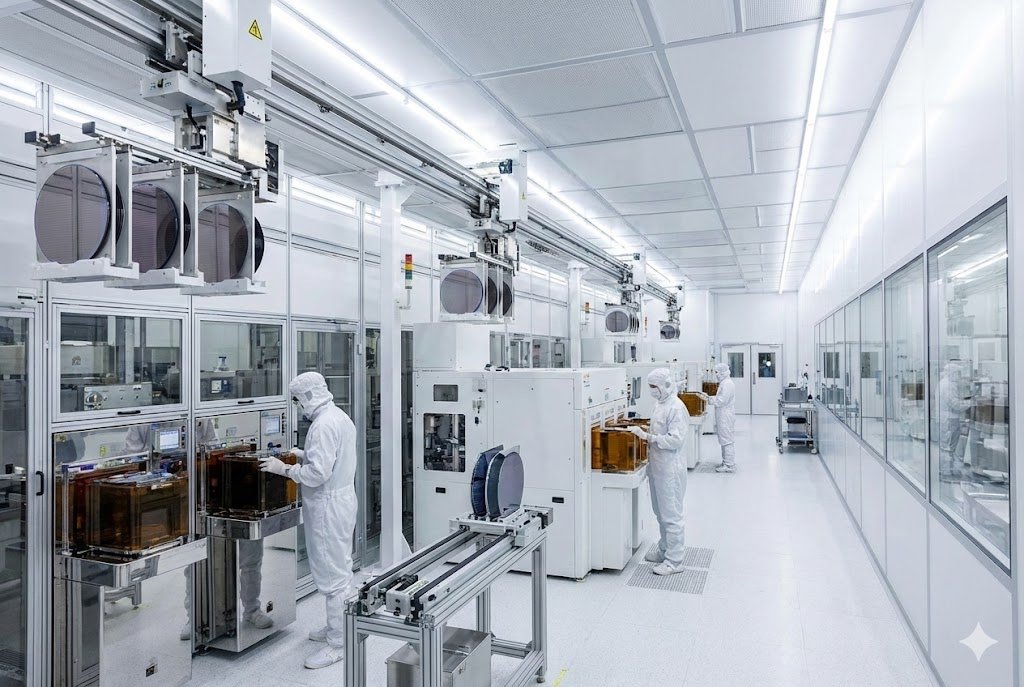
Transition Paragraph: You might think this does not concern you because you build industrial controllers or automotive dashboards. I used to think the same way. I thought the AI market was a separate bubble. But in the semiconductor world, everything comes from the same source. The factories that make the memory for AI are the same ones that make the memory for your boards. Now, those factories are changing their priorities. We need to understand exactly how this shift happens and why it puts your specific supply chain at risk.
Why Are Manufacturers Shifting All Capacity to HBM?
leading paragraph: We know companies exist to make money. Right now, the profit margins on AI components3 are breaking records, and memory manufacturers are rushing to capture every dollar they can.
snippet paragraph: Major manufacturers like SK Hynix, Samsung, and Micron4 are prioritizing HBM because it sells for five to seven times the price of standard DRAM. They are physically converting their machines and clean room space to make HBM, leaving less room for the standard memory chips used in everyday electronics.
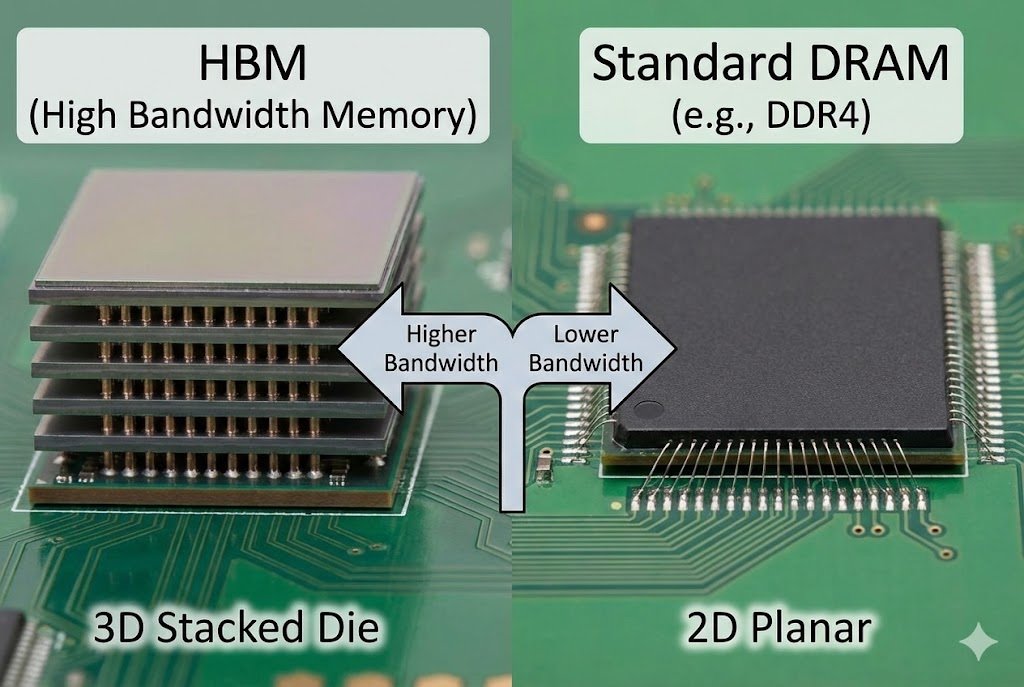
Dive deeper Paragraph: I have watched the market trends closely this year, and the numbers are shocking. The demand for AI servers is not slowing down. To run these servers, you need HBM. This memory is complex. It requires stacking chips on top of each other. This process eats up more wafer capacity than standard chips.
Think of a factory like a pizza shop. You have a limited amount of dough (wafers). If customers suddenly want deep-dish pizzas (HBM) that use three times the dough but pay ten times the price, you stop making thin-crust pizzas (Standard DRAM). This is exactly what is happening in the fabs.
The three big players—Samsung, SK Hynix, and Micron—are not building enough new factories fast enough. Instead, they are taking existing production lines that used to make DDR4 and DDR5 and converting them to make HBM. This is a "capacity crowding" effect.
| Feature | Standard DRAM (DDR4/DDR5) | High Bandwidth Memory (HBM) |
|---|---|---|
| Profit Margin | Low to Moderate | Extremely High |
| Production Complexity | Standard | High (TSV Stacking) |
| Wafer Consumption | Baseline | 3x higher per unit of capacity |
| Manufacturer Priority | Low | Top Priority |
This table shows why the choice is easy for the manufacturers. They will choose HBM every time. This leaves a smaller slice of the pie for the rest of the market. We must realize that this is a structural change, not a temporary fluctuation.
Will Standard DDR4 and DDR5 Prices Go Up?
leading paragraph: You might see weak demand for smartphones and PCs and assume memory prices will stay low. That assumption is dangerous because it ignores the supply side of the equation.
snippet paragraph: Yes, prices for standard DDR4 and DDR5 will rise significantly. Even though consumer demand is soft, the supply of these chips is shrinking faster than demand is falling. This imbalance creates a seller's market5 where industrial buyers will have to compete for limited stock.
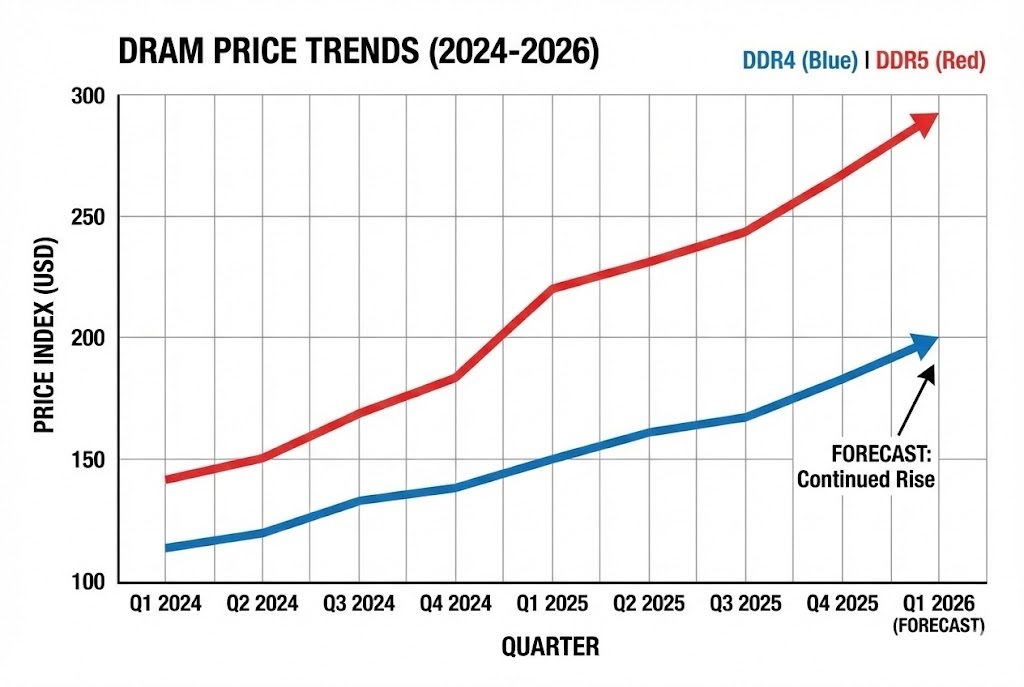
Dive deeper Paragraph: Let us break down the "supply versus demand" dynamic here. Usually, prices go up when demand is high. But this time, prices are going up because supply is disappearing. I often talk to factory owners who say, "But nobody is buying laptops right now, so chips should be cheap."
They are missing the point. The manufacturers have cut the production of "commodity" DRAM to make room for HBM. They are also migrating old DDR4 lines to DDR5 or HBM. This means the total bucket of available DDR4 is getting smaller every month.
For industrial users, this is critical. You rely on DDR4 because it is stable and validated. You cannot just switch to DDR5 overnight. When the supply of DDR4 drops by 30%, but industrial demand stays flat, the price must go up.
Here is how the squeeze happens:
- Capacity Loss: Wafers are diverted to AI/HBM.
- Legacy Neglect: Manufacturers stop investing in old nodes (DDR3/DDR4).
- Inventory Control: Suppliers stop holding excess stock to keep prices high.
We are already seeing spot market prices creep up. The "cheap" inventory from last year is gone. Now, we are entering a phase where you pay a premium just to get parts on time. It is a classic supply shock, hidden behind the news of weak consumer spending.
Is Your Industrial Supply Chain Safe from the AI Boom?
leading paragraph: Many of my clients tell me they are not worried because they don't use AI chips. They believe their sector is isolated from the chaos of the data center market.
snippet paragraph: No industry is safe from this shift. If you use industrial-grade DDR4, you are competing for the same raw wafers as Nvidia. As manufacturers shift focus, you will face longer lead times, sudden de-commits, and potential End-of-Life (EOL) notices6 for your critical components.
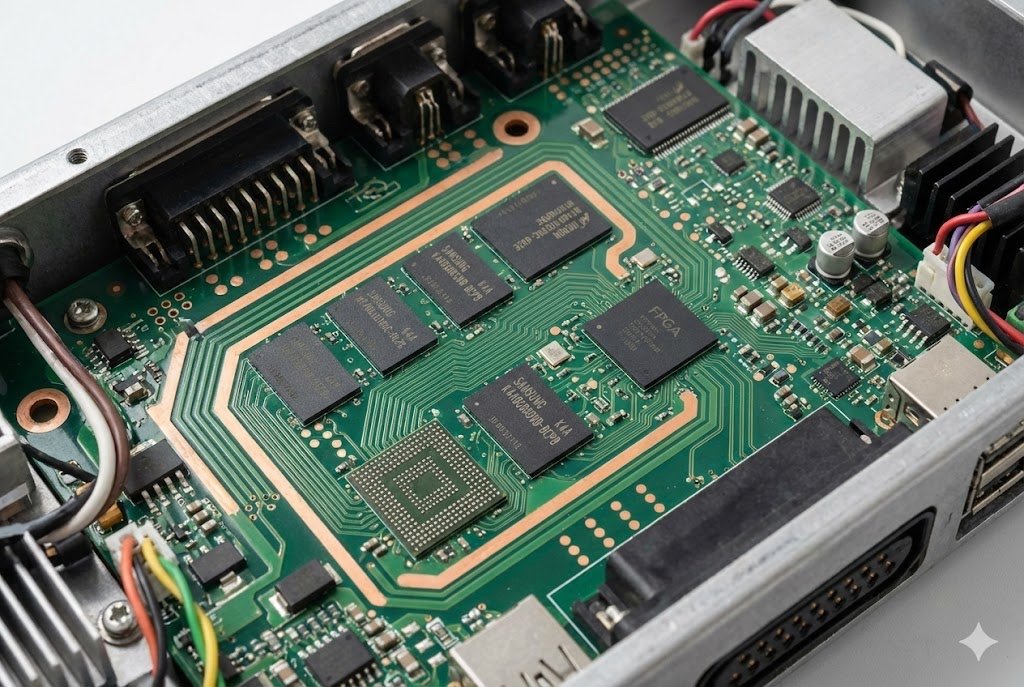
Dive deeper Paragraph: I want to be very clear about this: "Not doing AI" does not protect you. In fact, it might make you more vulnerable. The big manufacturers care about volume and margin. An industrial client buying 50,000 pieces of DDR4 a year is not their priority compared to a hyperscaler buying millions of HBM stacks.
When capacity gets tight, who gets cut first? It is usually the low-margin, low-volume standard products. This is where we at NexCir7 see the biggest risk for our customers. You might place an order with a standard lead time of 12 weeks. Suddenly, the factory tells you it is now 26 weeks. Or worse, they tell you that specific density is going EOL (End of Life).
This impacts your BOM (Bill of Materials) management directly.
- Risk 1: Availability. Your "bread and butter" memory chips might become scarce.
- Risk 2: Cost. You did not budget for a 20% price hike on memory.
- Risk 3: Redesign. If a part goes EOL, you have to redesign the board, which costs time and money.
We help our clients by locking in quotas now. We use our network to find the authorized distributors who still have allocation. We look at the long-term forecast. If we know Samsung is cutting DDR4 production, we advise you to buy stock now, not later. It is about being proactive. You cannot wait until the production line stops to look for parts. By then, the price will be double, and the stock will be gone.
Conclusion
The AI boom is reshaping the entire memory market, causing a shortage of standard DDR4 and DDR5. You must secure your supply8 now before prices rise and lead times extend further.
Understanding HBM production is crucial as it affects wafer capacity, influencing the availability and pricing of standard memory like DDR4 and DDR5. ↩
Exploring the supply squeeze helps you understand why memory prices are rising, even if you don't manufacture AI products. ↩
Learning about the high profit margins on AI components explains why manufacturers prioritize HBM over standard memory. ↩
These major manufacturers are key players in the memory market, and their strategies impact global memory supply and pricing. ↩
A seller's market means higher prices and competition for limited stock, affecting industrial buyers significantly. ↩
EOL notices can disrupt supply chains, requiring redesigns and affecting production timelines and costs. ↩
NexCir's strategies for securing memory supply can be vital for businesses facing supply chain challenges due to the AI boom. ↩
Securing your supply now can prevent future disruptions and cost increases, ensuring smooth production operations. ↩