Chips run hotter and are harder to pack today. Old plastic materials fail under high heat. This risks expensive project delays. Glass substrates fix this and change how we value chips.
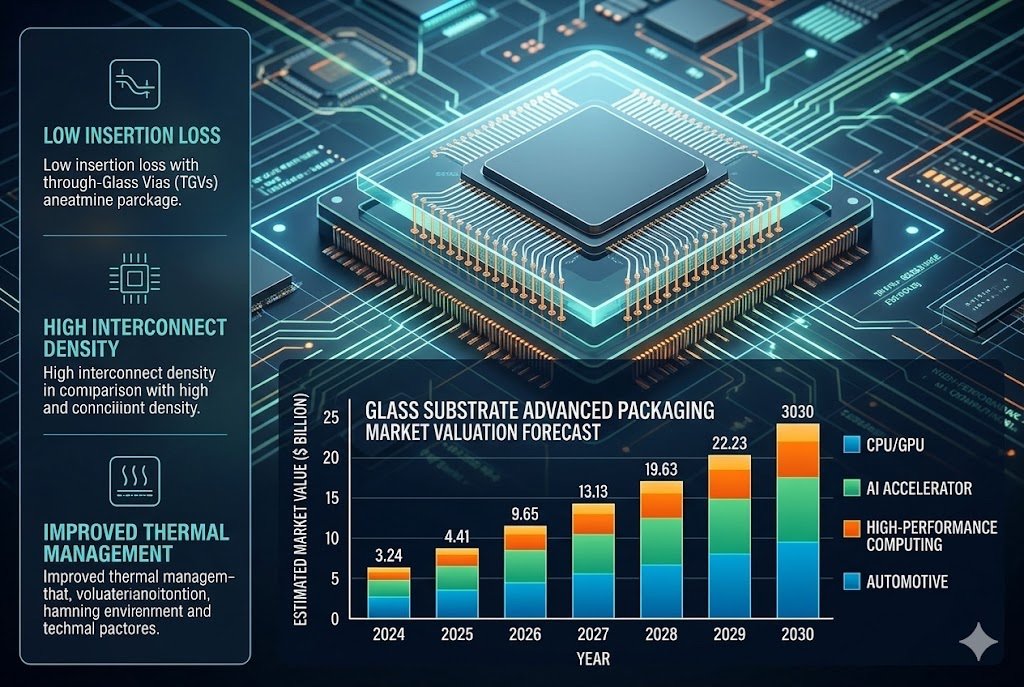
Advanced packaging1 uses glass substrates2 to handle more power and data. This upgrade increases the "holding value3" of chips. Better materials mean chips last longer and perform better. Buyers must watch new packaging standards. These changes directly increase the market price and lifespan of electronic parts.
I remember a recent client who lost thousands of dollars. Their plastic-packaged chips warped during a high-heat test. The whole production line stopped. They asked me how to avoid this big problem in the future. I told them we are entering a new era of electronic parts. The materials are changing. If you do not understand glass substrates2, you will buy the wrong parts. You will lose money. You will face project delays. Let us look at why this material change matters right now. We need to see how it affects your buying choices.
What exactly is a glass substrate and why do we need it now?
You want smaller chips with more power. But old plastic bases warp and break. This ruins your whole production line. Glass substrates solve this by staying flat and strong.
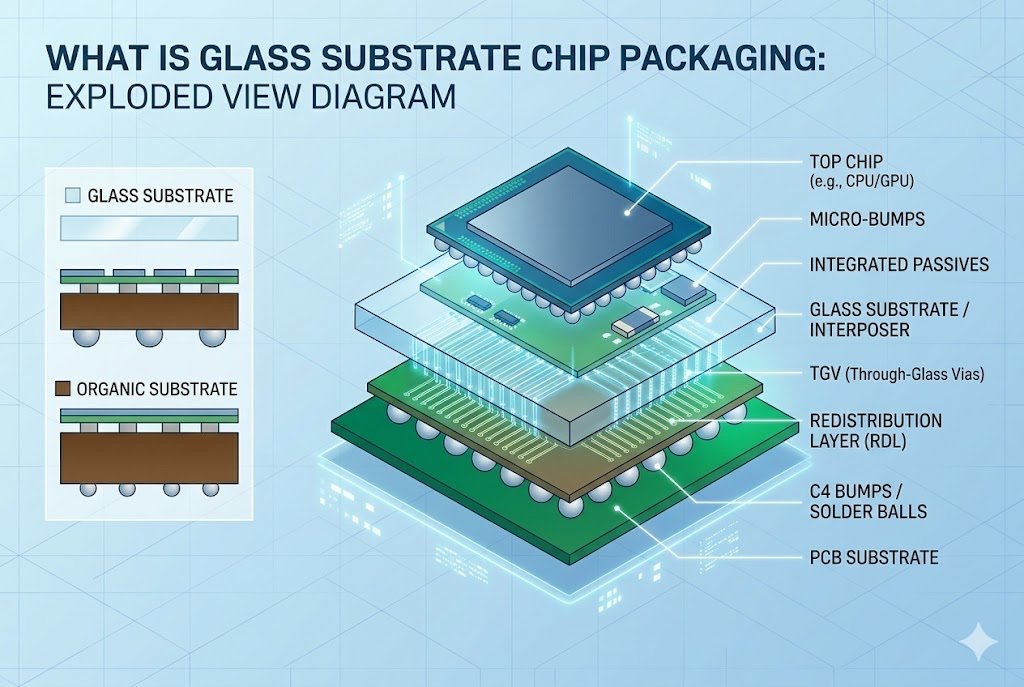
A glass substrate is a new base layer for computer chips. It uses pure glass instead of plastic. We need it now because it handles high heat without bending. It also allows tighter connections. This helps smart chips process data much faster.
The Shift from Organic to Glass
I have worked in the electronic parts industry for over 20 years. I have seen many changes in chip building. In the past, organic plastic materials4 worked fine for most jobs. Today, smart machines and fast cars need chips to do much more work. More work creates more heat. Organic materials bend when they get too hot. We call this bending warping. When a chip warps, the tiny metal lines break. The chip dies. This causes big problems for the whole machine.
Why Glass Wins the Race
Glass does not warp easily. It stays flat even when it gets very hot. This flat shape allows hardware engineers to put tiny wires much closer together. Closer wires mean data moves faster between parts. Fast data is exactly what our customers need right now. Hardware engineers always ask me for parts. These parts must not fail under high stress. Glass bases give them this peace of mind. Let us compare the two materials. You can see the clear difference.
| Feature | Organic Substrate | Glass Substrate |
|---|---|---|
| Heat Resistance | Low | Very High |
| Surface Flatness5 | Poor | Excellent |
| Wiring Density6 | Low | Very High |
| Risk of Warping7 | High | Very Low |
This simple table shows why glass is the clear future. It solves the biggest heat problems for hardware engineers. As a smart buyer, you must know that glass parts will perform much better. They will cost more at first. But they save you money later by stopping bad failures.
How does advanced packaging increase the holding value3 of chips?
You buy expensive chips and store them. Sometimes, old technology loses value quickly. This wastes your buying budget. Advanced packaging1 makes chips valuable for a much longer time.
Advanced packaging1 increases chip holding value3. It makes the part stronger and more useful. Better packaging materials like glass extend the life of the chip. This means the chip stays useful in the market longer. Its price does not drop quickly over time.
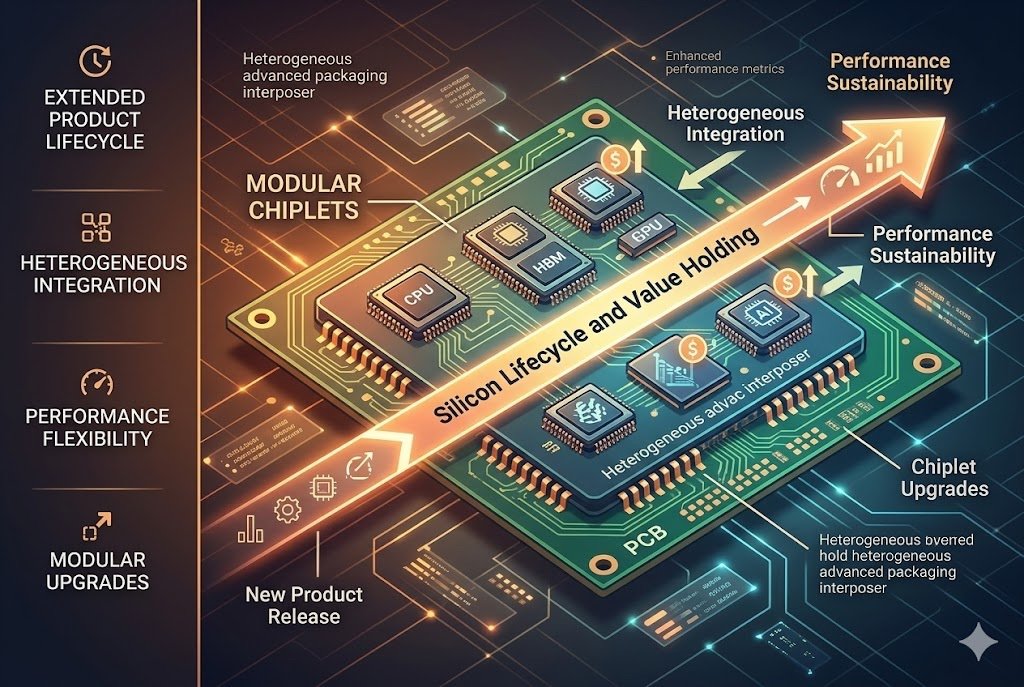
The Concept of Holding Value
Many buying managers worry about sudden price drops. You buy parts today. Next month, the market price falls. You lose money. This happens when parts become old and slow quickly. I call the ability to keep a high price "holding value3". When a chip uses a glass base, its holding value3 goes way up. The chip stays useful for a longer time.
Better Materials Mean Better Prices
Why does this price stay steady? The new glass package makes the chip work better for modern needs. Smart devices need fast, cool chips. Customers want these strong chips very badly. They will pay a good, steady price for them. I often tell my OEM clients a simple rule. Buying advanced chips is like buying a very good metal tool. A good tool lasts longer. It keeps its worth. We see this clear trend in our global supply network every day. Chips with advanced packages hold very steady prices.
| Packaging Type | Market Demand8 | Price Stability9 | Holding Value |
|---|---|---|---|
| Standard Plastic | Dropping Fast | Low | Low |
| Advanced Glass | Growing Fast | High | High |
You can see that advanced glass packages offer high price steadiness. This steadiness lowers your daily buying risks. You do not have to worry about the parts losing value while they sit in your warehouse. You can plan your budget with more confidence.
How should buyers adapt to new packaging standards?
Finding original parts is hard enough. Now, new package rules make buying even more confusing. You might buy the wrong standard. You must track these changes to buy correctly.
Buyers must adapt to new packaging standards. You should update your parts lists. You must talk closely with hardware engineers. You should also work with trusted suppliers. These suppliers must understand the new glass rules. This stops you from buying old or wrong parts.
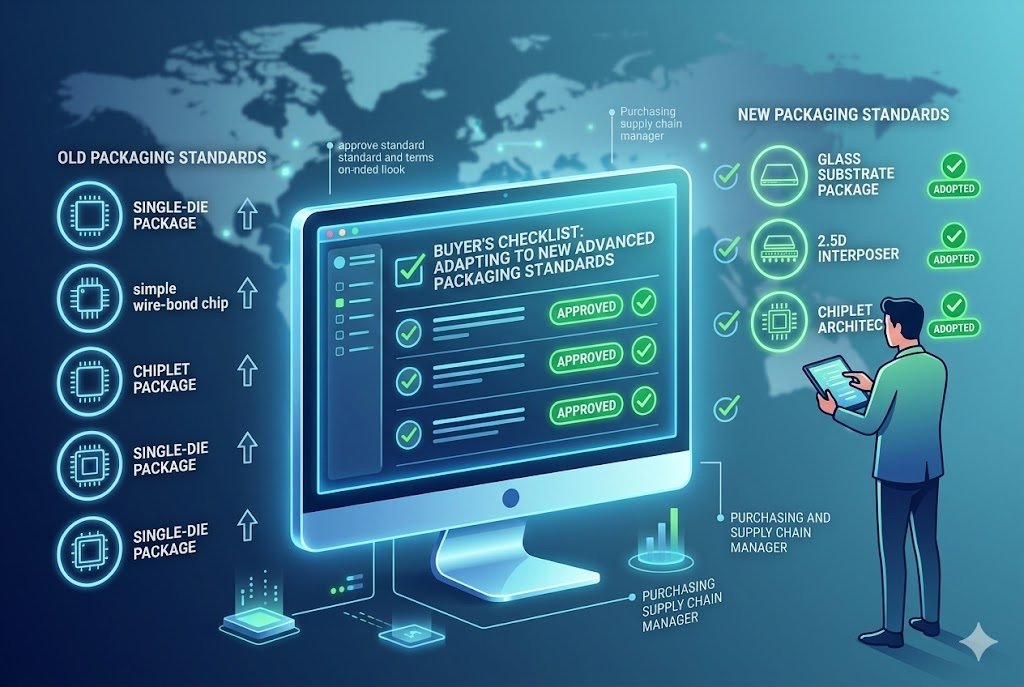
Teamwork in Modern Sourcing10
In my 20 years of global buying, I learned one big lesson. Buyers and engineers must talk to each other every day. Package rules change. Then, the old part numbers might not work anymore. You cannot just look at the main chip name. You must look closely at the package type. The package type tells you the true quality of the part.
Working with the Right Partner11
You also need a very good supply partner. At Nexcir, we always check the exact package details for our clients. We make sure you get 100 percent original parts. We make sure they meet the correct new rules. Fake parts often use old, cheap plastic packages. Bad sellers try to trick you with old stock. Knowing the new glass rules helps you spot these fakes quickly. You can feel the real difference. You can see the difference in testing.
| Action Step | Why You Need It | Expected Result |
|---|---|---|
| Talk to Engineers | Learn exact needs | Buy correct parts |
| Check Package Type | Stop wrong orders | Save time and money |
| Use Trusted Suppliers12 | Avoid fake parts13 | Ensure high quality |
By following these simple steps, you protect your entire supply chain. You keep your factory production line moving fast. You also make sure you get the best value for your money in this new era of glass bases. We are here to help you make this shift safely.
Conclusion
Glass substrates change how we value chips. They make parts stronger and hold prices better. Buyers must learn these new standards to secure the best parts and avoid costly mistakes.
Exploring advanced packaging can reveal how it enhances chip performance, making your electronic devices more efficient and reliable. ↩
Understanding the benefits of glass substrates can help you make informed decisions about chip packaging, ensuring durability and performance. ↩
Learning about holding value can help you understand how to maintain the worth of your chip investments over time. ↩
Discover why organic plastic materials are being replaced to ensure your chip packaging choices are up-to-date and effective. ↩
Surface flatness is crucial for chip performance; learn why it matters to ensure optimal data processing and reliability. ↩
High wiring density can significantly boost chip efficiency; find out how to leverage this for better performance. ↩
Preventing warping is key to maintaining chip integrity; learn how to avoid this issue with the right materials. ↩
Understanding market demand can help you anticipate pricing trends and make strategic purchasing decisions. ↩
Price stability is vital for budgeting; learn what influences it to manage your investments wisely. ↩
Effective teamwork in sourcing can streamline operations and ensure you get the best components for your needs. ↩
Choosing the right supply partner can prevent costly mistakes and ensure you receive high-quality components. ↩
Working with trusted suppliers ensures you receive genuine, high-quality parts, safeguarding your production line. ↩
Avoiding fake parts is crucial for maintaining quality; learn how to spot and prevent counterfeit components. ↩