
Struggling to find advanced lithography machines? Export bans are choking supply lines and halting your production. Thankfully, the booming used semiconductor equipment market1 offers a clear way out.
Advanced lithography restrictions have triggered a massive surge in the global trade of used 8-inch and 12-inch equipment. This market creates new business opportunities for legacy chip production2 but also introduces "grey zones" regarding compliance, equipment authenticity, and maintenance risks3 that buyers must navigate carefully.

You might think buying used equipment is a simple fix to bypass supply chain blocks. But what looks like a quick win can quickly become a costly trap if you do not understand the hidden rules of this shifting market. Let me show you exactly how this landscape is changing and how you can protect your production lines.
Why Are Used 8-Inch and 12-Inch Lithography Machines Booming Right Now?
Need reliable chip production without new machines? Wait times for new equipment are destroying project deadlines. The used 8-inch and 12-inch market is your fastest path to stay operational.
Used 8-inch and 12-inch lithography machines4 are booming because global export bans restrict access to advanced new equipment. Manufacturers are pivoting to legacy nodes5 for automotive, IoT, and industrial chips. This shift makes older machines highly valuable for maintaining steady production without facing strict export blocks.
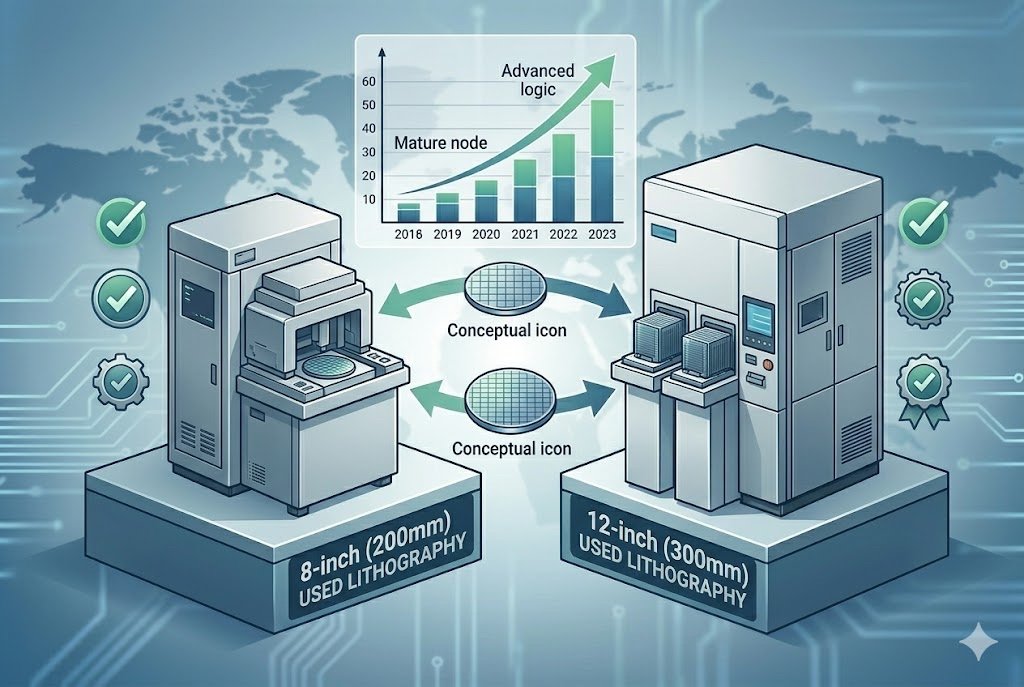
When advanced chips face blocks, the whole industry shifts its focus. I saw this first-hand last year. A client called me in a panic. They build parts for electric cars. They could not get the new machines they ordered. Their production line was about to stop. We had to look at older nodes.
The Shift to Legacy Nodes
We are seeing a huge move toward older technology. Companies do not always need the most advanced chips. For cars, factory machines, and smart home devices, older chips work perfectly. New machines are blocked. So, buyers look for used 8-inch and 12-inch tools. These machines make the chips for our everyday lives. Many factories realize they can still make great products without the newest lithography tools. They change their plans. They focus on mature processes6. This keeps their business moving forward.
Market Demand Breakdown7
Let us look at why this shift makes sense for businesses today. The market data shows a clear path.
| Feature | New Advanced Equipment | Used 8-Inch/12-Inch Equipment |
|---|---|---|
| Cost | Very high | Much lower |
| Wait Time | Years | Months or weeks |
| Export Rules | Very strict | Often less strict |
| Best Use | AI and smartphones | Cars, IoT, and industry tools |
Why Speed Wins8
This table shows why the used market is so active. Buyers want speed and low costs. You cannot wait two years for a new machine. Your customers will leave you. You need to build products right now. Used 8-inch and 12-inch machines give you this speed. They are already built. They just need a new home. But buying used parts brings new problems. We must look at the risks closely. The rush to buy creates a wild market. We must step carefully to find the real value.
What Are the Hidden "Grey Zones" in Used Semiconductor Equipment Sourcing?
Worried about fake or broken parts? Scammers hide in the used market. They sell bad machines that break down fast. You must know how to spot these dangerous grey zones.
The "grey zones" in used semiconductor equipment sourcing include hidden software locks9, missing service histories, and counterfeit replacement parts10. Buyers face high risks of buying machines that lack original manufacturer support, fail compliance checks, or contain fake components that cause sudden and expensive production halts.
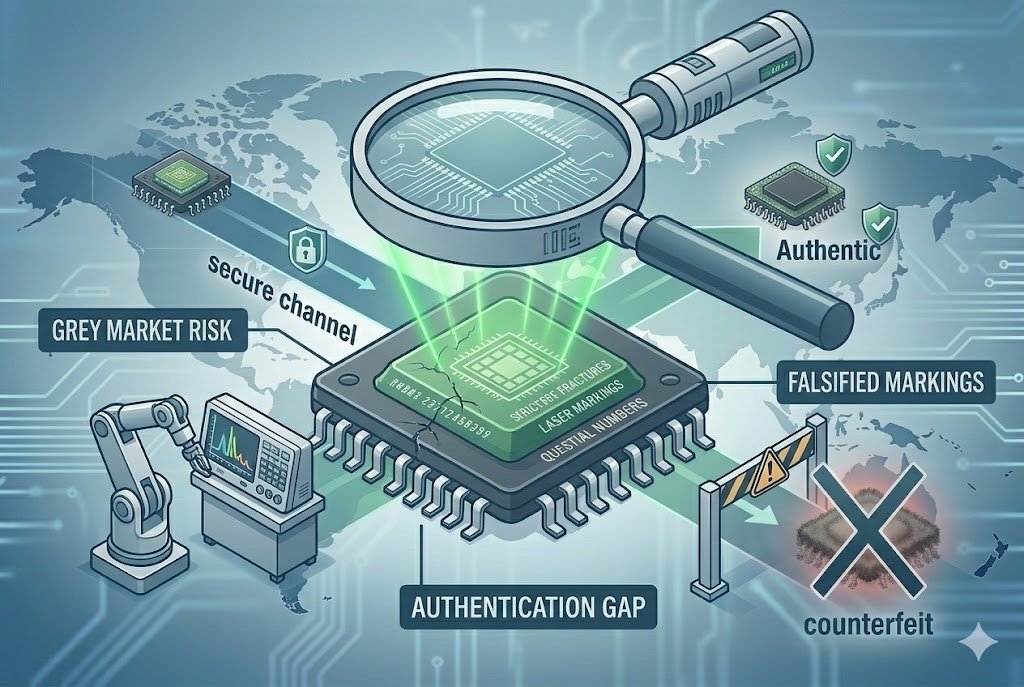
The used market is growing fast. But it is not a safe place for everyone. In my 20 years in this industry, I have seen many bad deals. Some sellers try to make quick money. They do not care about the buyer. They sell broken machines as new ones.
The Danger of Fake Parts
One big problem is fake parts. A seller might fix an old machine with cheap, fake parts. You put this machine in your factory. It works for a week. Then, it breaks. Your whole line stops. This is a nightmare for any hardware engineer. A stopped line costs thousands of dollars every hour. At Nexcir, we always tell our clients to check every part. You must know the history of the machine. You must know who fixed it.
Missing Support and Rules
Another problem is the lack of help from the original maker. You buy a used machine. The maker might not help you fix it.
| Risk Factor | What Happens in the Grey Zone | How It Hurts Your Business |
|---|---|---|
| Fake Parts | Sellers use bad parts to fix machines. | Machines break fast and stop work. |
| No History | Sellers hide how the machine was used. | You buy a machine that is almost dead. |
| Software Locks | Original makers lock the software. | You cannot use the machine you bought. |
How Scammers Hide
Scammers hide in the grey zones. They use fake papers. They change the labels on the machines. They promise things they cannot do. You cannot just buy a machine and hope it works. You need full proof. You need to know where every part comes from. We spend a lot of time checking supply chains. We visit warehouses. We check serial numbers. This hard work keeps our clients safe from these tricks. We refuse to work with bad sellers.
How Can Procurement Managers Turn These Market Shifts into Safe Business Opportunities?
Fearful of making a bad purchase? Bad sourcing choices destroy budgets and ruin production plans. Partnering with proven experts turns these market risks into safe, long-term business wins.
Procurement managers can turn used equipment shifts into opportunities by working with trusted supply chain partners. By focusing on full part traceability11, using authorized channels12, and finding reliable alternatives for old components, buyers can secure stable pricing, avoid fake parts, and keep their production lines running smoothly.
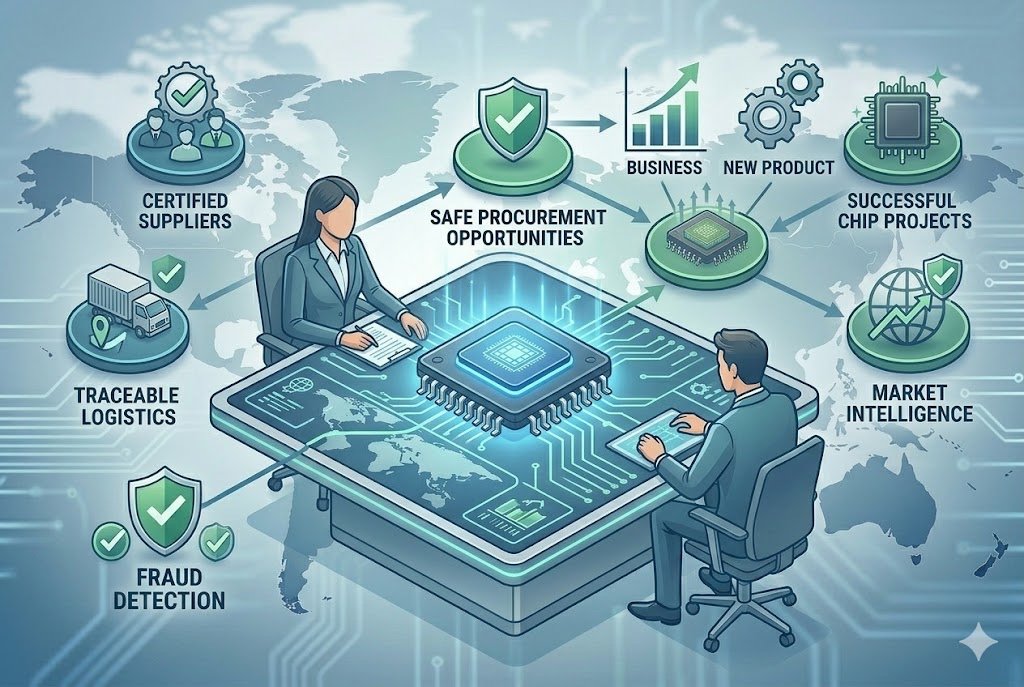
You know the risks now. But risks also bring chances to win. You can save money and beat your rivals. I help my clients do this every day. Our team uses our 20 years of experience to find the safe paths. We turn danger into profit.
Building a Safe Supply Chain
The first step is to demand truth. We never buy from unknown sellers. We only use channels we trust. A client needs a part for an old machine. We find the real part. We trace it back to the maker. This stops the fake parts from entering your factory. We use our global network13. We have partners in Asia, Europe, and America. A part is missing in your city. We find it across the world.
Planning for Old Parts
Old machines need old parts. Sometimes, the maker stops building those parts. We call these End of Life parts14.
| Strategy | Action to Take | Result for Your Factory |
|---|---|---|
| Trace Everything | Ask for proof of where parts come from. | You get 100% real parts. |
| Find Alternatives | Look for safe, approved replacement parts15. | Your machines never stop running. |
| Global Search | Use networks in Asia, Europe, and America. | You find parts when local markets are empty. |
Winning the Long Game
You must think ahead. Do not just buy for today. Build a plan for the next five years. Find a partner who tells you the truth. At Nexcir, we do not just sell parts. We share our knowledge. We help you plan your stock. We tell you when prices will change. You make smart choices in the used market. You keep your costs low. You keep your production steady. You build trust with your own customers. This is how you win the second half of the lithography war16.
Conclusion
Advanced lithography bans boost the used equipment market. While fake parts and grey zones pose risks, smart sourcing and trusted partners will keep your production safe and highly profitable.
Understanding the growth of this market can help you find opportunities to bypass supply chain issues and maintain production efficiency. ↩
Exploring legacy chip production can reveal how older equipment supports current manufacturing needs, especially in restricted markets. ↩
Knowing these risks can help you avoid costly mistakes and ensure the reliability of your production line. ↩
These machines are crucial for maintaining production without new equipment, making them a valuable asset in the current market. ↩
Understanding this shift can help you align your production strategy with industry trends and avoid supply chain disruptions. ↩
Learning about mature processes can help you optimize production with existing technology, reducing dependency on new equipment. ↩
Analyzing market demand can guide your purchasing decisions, ensuring you invest in equipment that meets current industry needs. ↩
Speed is essential to stay competitive and meet customer demands, making it a key factor in equipment sourcing decisions. ↩
Identifying software locks can prevent operational disruptions and ensure you can fully utilize purchased equipment. ↩
Avoiding counterfeit parts is vital to maintain production quality and prevent costly breakdowns. ↩
Traceability ensures authenticity and reliability, protecting your investment and production line from failures. ↩
Authorized channels provide assurance of quality and compliance, reducing the risk of purchasing faulty equipment. ↩
A global network expands your sourcing options, ensuring you can find necessary parts even when local supplies are limited. ↩
Managing these parts effectively ensures continuous production and reduces the risk of unexpected downtime. ↩
Finding reliable parts is crucial to maintain equipment performance and avoid production halts. ↩
Understanding this concept can help you navigate market challenges and position your business for success. ↩