Stopping a high-speed production line because of the wrong package format is a nightmare for any manufacturer. Do not let a simple suffix mistake ruin your tight manufacturing schedule.
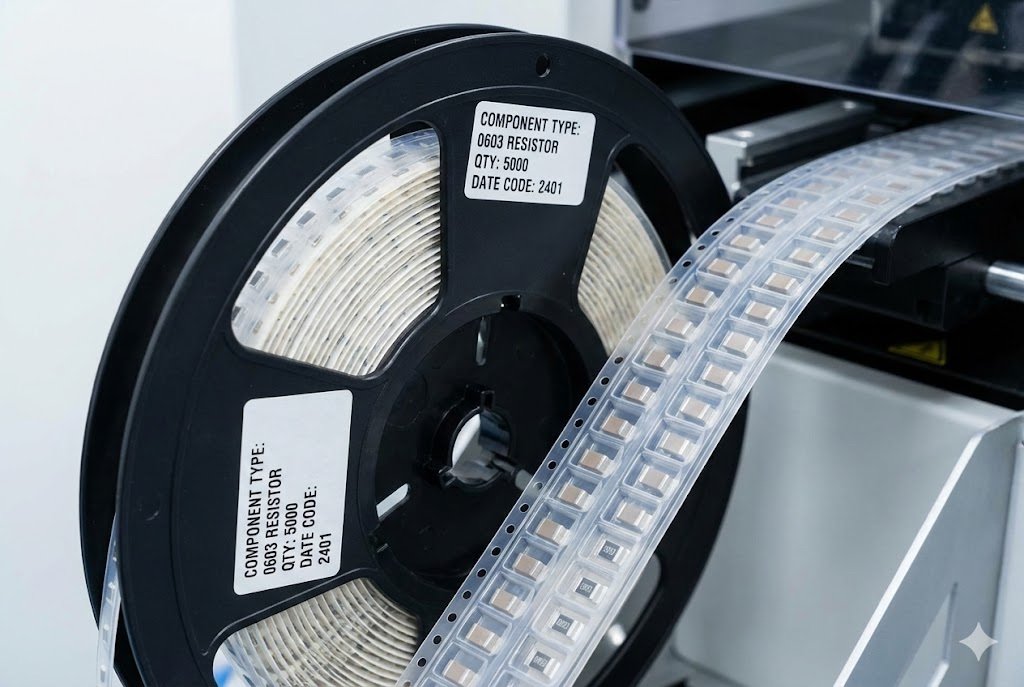
The "-TL" suffix typically denotes Tape & Reel packaging1. This format is crucial for automated Surface Mount Technology (SMT)2 assembly because it allows pick-and-place machines3 to feed components continuously at high speeds, unlike tubes or trays which require frequent, manual reloading.
Many buyers think all chips are the same if the part number looks similar. However, the letters at the very end change how your factory uses them. If you ignore these small codes, you might save a few cents but lose thousands of dollars in factory time. Let us look at why this matters so much.
What Does the -TL Suffix Actually Mean for Your Order?
Confusion over part numbers causes unnecessary delays and frustration. You might order the right chip functionality but receive the wrong physical form. Let us clear up this common misunderstanding.
The "-TL" specifically stands for Tape & Reel (often "Taping Left"). It tells the supplier exactly how the manufacturer packed the components. Without this code, you might receive bulk bags or tubes that your automated machines cannot handle.
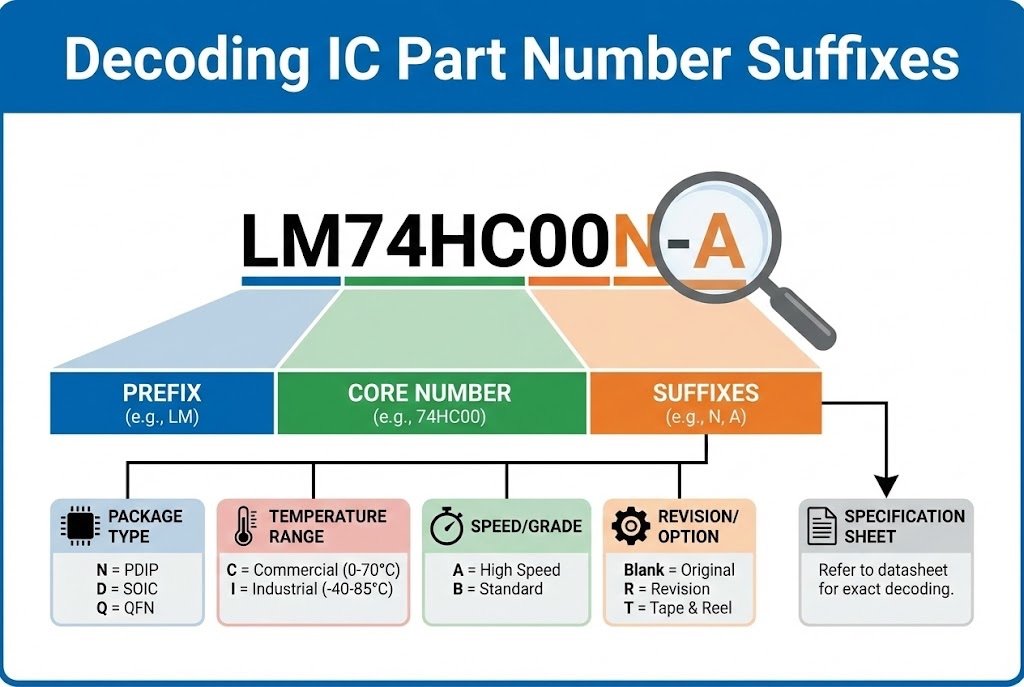
In my twenty years in this industry, I have seen many procurement managers ignore the last two letters of a part number. They believe the core specifications are all that matter. However, for a distributor like Nexcir4, understanding suffixes is the key to solving customer complaints before they happen. The suffix is not just extra decoration; it is a strict instruction for the packaging line.
For example, in many Japanese brands like ROHM5, "-TL" indicates the component is on a reel. If you see "-GN" or "-PN," it often means the part comes in a plastic tube or stick. This difference changes everything. I once had a client who bought a large batch of regulators. They ignored the suffix because the price was slightly lower on the tube version. When the parts arrived, their production manager was furious. They had no way to feed tubes into their high-speed machines.
We need to look at this critically. The suffix tells you the "packaging form factor6." This affects logistics, storage, and usage. Below is a breakdown of how these suffixes typically work, though they vary by brand:
Common Suffix Meanings
| Suffix Example | Packaging Type | Typical Application |
|---|---|---|
| -TL / -TR | Tape & Reel | Automated SMT Assembly |
| -E2 / -T1 | Tape & Reel | High Volume Production |
| -GN / -PN | Tube / Stick | Manual Assembly / Prototyping |
| -BK | Bulk / Bag | Hand Soldering / Repair |
When you order from Nexcir4, we always double-check these codes. We ask you about your production method. If you are running an automated line, we ensure you get the "-TL" or equivalent. This attention to detail prevents the "right part, wrong package" disaster.
Why Is Tape and Reel the Lifeline of High-Speed SMT Lines?
Slow production kills profit margins in the modern electronics industry. If your machines stop to reload parts, you lose money every second. Speed is the most important factor in modern assembly.
Automated SMT lines use pick-and-place robots that move incredibly fast. Tape and Reel packaging feeds these machines continuously. It prevents the downtime caused by manually changing tubes or trays every few minutes.
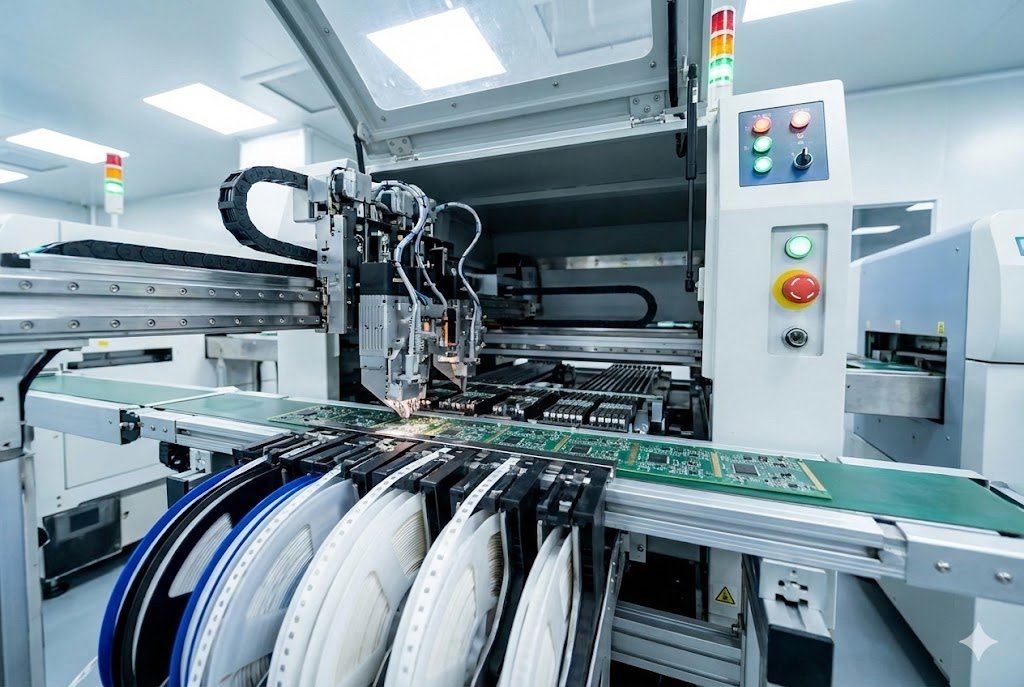
To understand why "-TL" is so vital, you have to understand how a Surface Mount Technology (SMT)2 line works. These machines are beasts of speed. Some can place over 100,000 components per hour. They are hungry. They need a constant flow of parts. This is where the Tape and Reel system shines. It acts like a movie projector, feeding a long strip of components into the machine smoothly and quickly.
When you use a reel, you might load 3,000 to 5,000 chips at once. The machine runs for hours without stopping. Now, compare this to a tube. A standard tube might hold only 50 or 60 chips. If you use tubes for a high-volume run, the operator must stop the machine or refill the feeder every few minutes. This is a massive waste of human labor and machine time.
The Efficiency Calculation
Let us break this down with some critical thinking. Imagine you are building 10,000 circuit boards.
- Reel Scenario: You load 2 reels. The machine runs uninterrupted.
- Tube Scenario: You need 200 tubes. An operator has to physically handle the machine 200 times.
Every time a human touches the machine, there is a risk of error. Maybe they load it backward. Maybe they drop a tube. Tape and Reel packaging eliminates these risks. It keeps the components safe in little pockets, covered by a plastic film, until the exact moment the machine picks them up.
At Nexcir4, we tell our clients that the "-TL" suffix is not just about packaging; it is about "manufacturing velocity7." You are not just buying a chip; you are buying the ability to manufacture quickly. If you try to save money by buying tubes for a high-volume order, you will spend ten times that savings on lost labor and machine downtime.
What Happens If You Mix Tube and Tape Packaging in Bulk Orders?
Inconsistent supplies create chaos on the factory floor. You cannot automate a process effectively if the inputs keep changing. This inconsistency destroys your production rhythm8 and confuses your team.
Mixing packaging types, like tubes and reels, in a single production run forces the line to stop for machine reconfiguration. This leads to costly delays, potential placement errors, and creates a significant bottleneck in your manufacturing workflow.
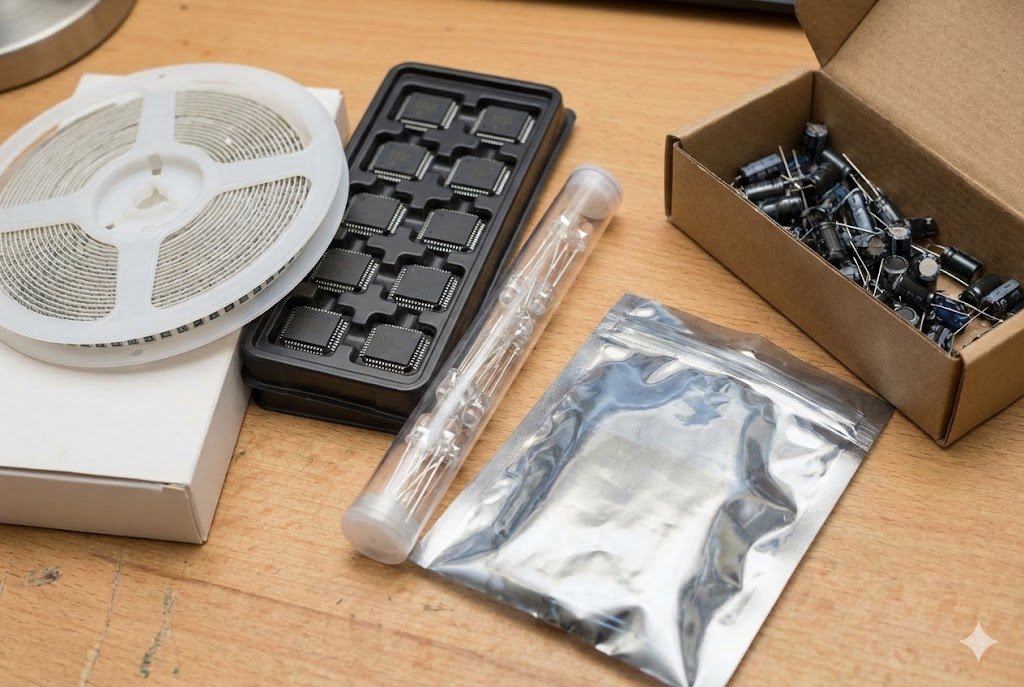
Sometimes, a procurement manager will try to fulfill a large order by combining stock from different sources. They might find 5,000 pieces in tape (-TL) and another 2,000 pieces in tubes (-GN) to complete the order. They think, "It is the same chip, so it works." This is a dangerous assumption for mass production.
Mixing packaging is a logistical headache9 for the factory. The machine feeders10 for tapes are completely different from the feeders for tubes. A tape feeder looks like a wheel; a tube feeder looks like a vibrating slide. You cannot put a tube into a tape feeder.
The Consequences of Mixing
If you send a mixed batch to the production line, the engineers have to stop everything. They finish the reels, then they have to physically remove the tape feeders. Then, they have to install the tube feeders. This changeover can take 20 to 30 minutes. In a busy factory, 30 minutes of silence is expensive.
Furthermore, mixing packaging creates inventory issues. It makes it hard to count stock. It increases the chance that a reel gets lost or a tube gets crushed.
How We Handle This at Nexcir4
We advise our clients to stick to one packaging type per order whenever possible.
- Consistency: We check the suffixes to ensure the whole batch matches.
- Communication: If we must source from two locations, and one is a tube and one is a reel, we tell you immediately.
- Planning: This gives you time to ask your factory if they can handle the switch.
This is part of the "Professional Support11" we promise at Nexcir4. We do not just ship parts; we help you maintain a smooth supply chain. We understand that a cheap part12 that stops the line is actually a very expensive part. By paying attention to the suffix, we protect your production schedule13.
Conclusion
The "-TL" suffix is not just a label; it determines your production speed and efficiency. Always confirm packaging types to ensure your SMT lines run smoothly14 without costly interruptions.
Explore how Tape & Reel packaging enhances automated SMT assembly, ensuring continuous high-speed component feeding and reducing manual reloading. ↩
Learn about SMT's role in modern electronics manufacturing, enabling rapid component placement and boosting production efficiency. ↩
Discover the mechanics of pick-and-place machines and their importance in high-speed SMT lines for efficient component placement. ↩
Explore Nexcir's commitment to ensuring correct packaging for automated lines, preventing costly production errors and delays. ↩
Learn about the specific suffixes used by brands like ROHM, indicating packaging types crucial for automated assembly. ↩
Understand how different packaging forms impact logistics, storage, and usage in electronics production. ↩
Explore the concept of manufacturing velocity and how packaging choices like Tape & Reel influence production speed. ↩
Learn how consistent inputs and packaging types maintain production rhythm, preventing costly delays and errors. ↩
Understand the logistical challenges and inefficiencies caused by mixing packaging types in a single production run. ↩
Explore the differences between tape and tube feeders in SMT lines and their impact on production efficiency. ↩
Learn about Nexcir's proactive approach to ensuring smooth supply chains and preventing production disruptions. ↩
Understand how seemingly inexpensive components can lead to costly production delays if packaging is incompatible. ↩
Explore how correct packaging choices ensure uninterrupted production schedules and prevent costly downtime. ↩
Discover strategies to maintain smooth SMT line operations, focusing on consistent packaging and efficient component feeding. ↩