leading paragraph: Your heavy equipment keeps failing, and you do not know why. You might be using the wrong CAN transceiver in your 24V system. I will show you how to fix this fast.
snippet paragraph: The main difference lies in voltage tolerance1. The PCA82C251 is designed specifically for 24V applications, such as heavy trucks and buses. It offers built-in protection against short circuits2 to the 24V battery line. The older PCA82C250 is limited to 12V systems3 and will likely fail if exposed to higher voltages.
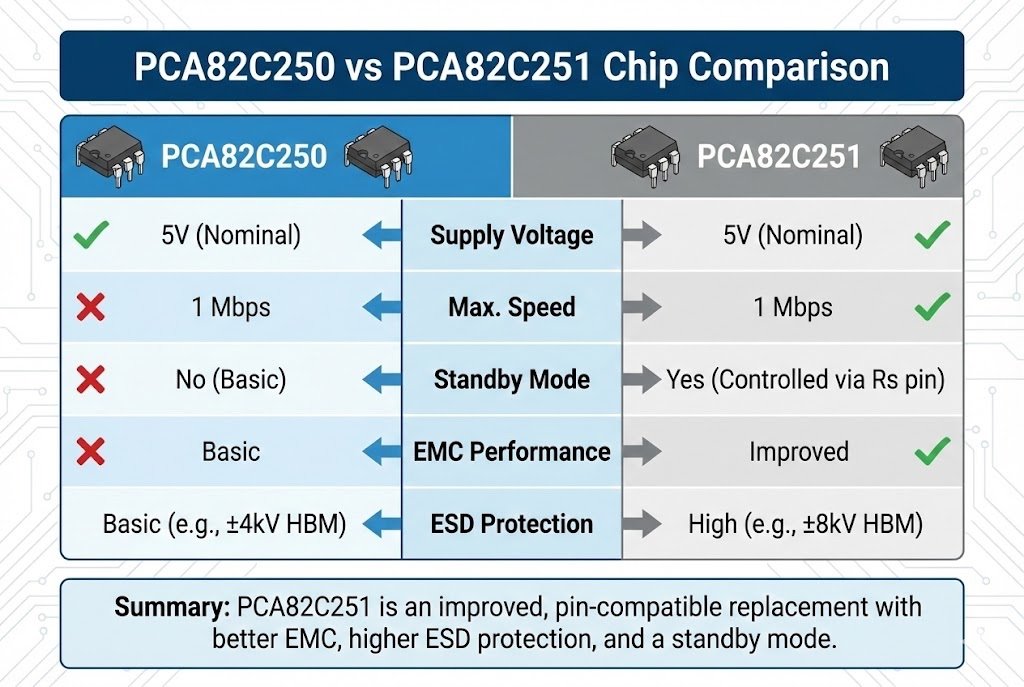
Transition Paragraph: Many engineers think these two chips are the same. They look the same. They often fit on the same board pads. But if you mix them up, you will have a lot of trouble. I have seen repair shops lose thousands of dollars because they put a 12V chip into a 24V truck. The system works for a minute, and then it burns out. I want to help you avoid this mistake. In the next sections, I will explain exactly why the voltage protection matters, where these chips are used, and how you can find real stock for your repairs.
LOOP START
Why is the PCA82C251 essential for 24V heavy industry systems4?
leading paragraph: You cannot afford downtime in industrial environments. A simple short circuit can destroy your communication bus. You need a chip that handles high voltage spikes without dying.
snippet paragraph: The PCA82C251 provides enhanced protection for the CANH and CANL bus lines5. It can withstand short circuits to voltages as high as 24V. This makes it the only safe choice for trucks, buses, and heavy machinery where 24V batteries are standard.
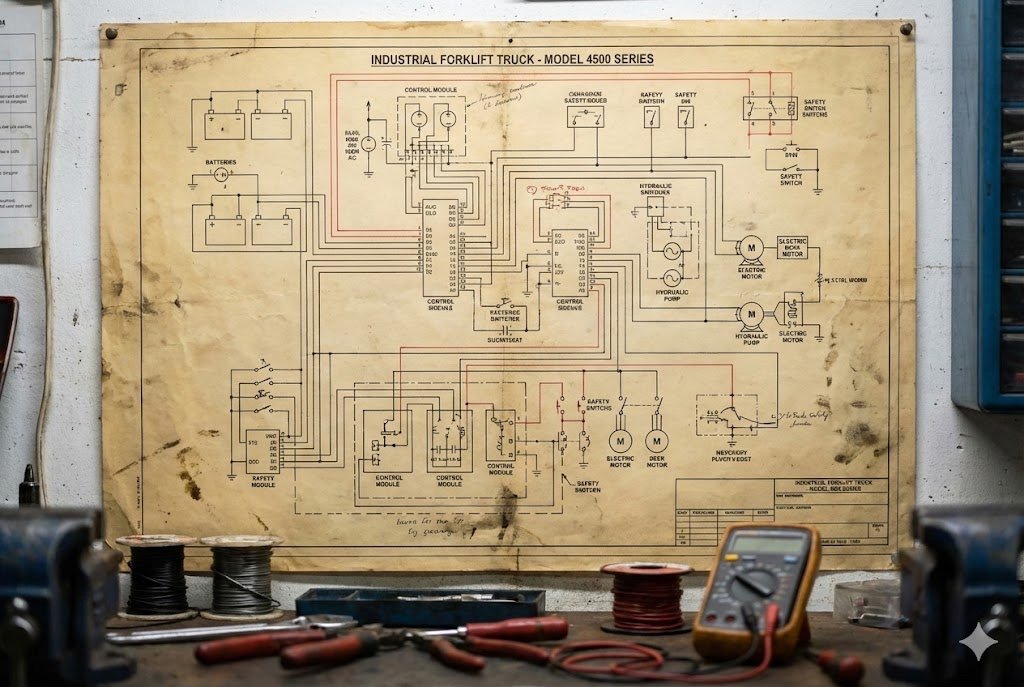
Dive deeper Paragraph: I want to go deeper into why this voltage protection is so important for you. When we talk about heavy industry, we are usually talking about a 24V power supply. This is standard for big trucks, excavators, and large buses. In these vehicles, the wires for the CAN bus often run right next to the main power cables.
Over time, wires rub against each other. Insulation wears off. This causes a "short to battery6." If your CAN bus wire touches the 24V power wire, high voltage rushes into your transceiver chip.
Here is how the two chips react:
- PCA82C250: This chip is built for 12V cars. If 24V hits it, the internal silicon breaks down7. The chip smokes, and the whole communication network goes down.
- PCA82C251: This chip expects 24V. It has stronger internal structures. If a short happens, it limits the current. The chip survives, and the rest of the network stays safe.
I have created a table to help you compare them easily:
| Feature | PCA82C250 | PCA82C251 |
|---|---|---|
| Primary System | 12V Automotive (Cars) | 24V Heavy Duty (Trucks/Buses) |
| Bus Line Protection | Low (approx. -8V to +18V) | High (approx. -36V to +36V) |
| Short Circuit Risk | High failure rate in 24V | Designed to survive |
| EMI Emission | Standard | Optimized |
At Nexcir, we see this problem often. A customer tries to save money or uses old stock of the 250 model in a new truck. It is a bad idea. You must use the PCA82C251 for any system that runs on more than 12 volts. It acts like a shield for your expensive control units.
LOOP END
LOOP START
Where can you still find these "ancient artifact8s" like the PCA82C250?
leading paragraph: New designs use modern chips, but old machines still run the world. You have elevators and old cars that need repairs. Finding parts for them is a real headache.
snippet paragraph: The PCA82C250 is considered a "legacy" component, often found in older elevators, passenger cars from the 2000s, and early industrial controllers. While production has slowed, demand remains high for maintenance and repair operations that cannot redesign their circuit boards.
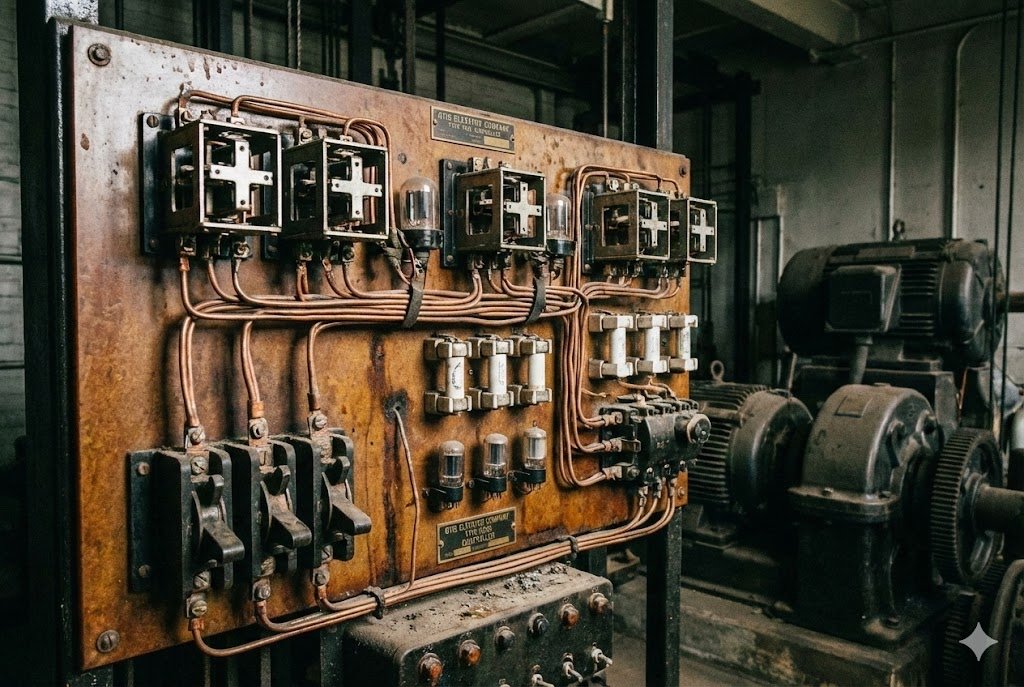
Dive deeper Paragraph: You might wonder why we still talk about these old chips. The PCA82C250 is what I like to call an "ancient artifact8" in the semiconductor world. But "ancient" does not mean useless. In fact, it is the opposite.
Think about the infrastructure around you.
- Elevators: Many elevators installed 15 or 20 years ago use CAN bus for communication between floors. They often use the PCA82C250. You cannot just throw away the whole elevator because one chip died.
- Classic Cars: Cars from the late 90s and early 2000s use this chip. Collectors and mechanics need them to keep engines running.
- Factory Machines: Old textile machines or printing presses run 24/7. They were built to last 30 years. They need the exact same part number to work.
The problem is that big manufacturers focus on new chips. They stop making the old ones. This creates a supply gap9. You have a million-dollar machine stopped because of a two-dollar chip.
This is where the market gets tricky. Because these parts are hard to find, many sellers offer fake parts10. They take a cheap chip, paint over it, and print "PCA82C250" on top. If you put that in an elevator, you risk safety.
At Nexcir, we understand this "long tail" market. We know that just because a part is old, it does not mean it is obsolete to you. We focus on keeping connections with suppliers who still have stock of these specific, older batch components. We verify that they are the real deal before we send them to you.
LOOP END
LOOP START
How does Nexcir ensure you get authentic "Old Batch" stock?
leading paragraph: Buying obsolete parts is risky business. You worry about fakes and empty promises. We solve this by securing verified stock from trusted global sources.
snippet paragraph: Nexcir utilizes a global network to locate original "Old Batch" inventory of PCA82C250 and PCA82C251. We inspect the provenance of these components to ensure they are genuine NXP (or formerly Philips) parts, giving you peace of mind for critical repairs.

Dive deeper Paragraph: I want to be honest with you about the market right now. If you search for these chips online, you will find thousands of sellers. But how many can you trust?
In the repair business, specifically for heavy trucks and industrial controllers, "Old Batch" stock is gold. These are parts that were made years ago but kept in proper storage. They are often better than newer replacements because they match the original specifications exactly.
Here is how we at Nexcir handle this for you:
- Source Verification11: We do not buy from random open markets. We buy from authorized distributors who have excess stock or from original manufacturers' liquidation.
- Visual Inspection12: Our team has 20 years of experience. We know what the label should look like. We check the pins. We check the packaging.
- Testing13: We ensure the parts are not just empty plastic shells.
We know your pain points. You need the part to fix a truck today. You cannot wait for a factory lead time of 50 weeks. And you definitely cannot afford to install a fake part that burns out the ECU.
The Nexcir Promise14
| Your Pain Point | Our Solution |
|---|---|
| Fear of Counterfeits | We guarantee 100% authentic, traceable parts. |
| Urgent Need | We hold spot stock for fast delivery. |
| Price Stability | We use our network to get fair prices, even for rare parts. |
We position ourselves as your partner in the supply chain. Whether you are fixing a fleet of Scania trucks or maintaining elevators in a high-rise, we ensure you get the right PCA82C251 or PCA82C250. We bridge the gap between the past and the future.
LOOP END
Conclusion
The PCA82C251 is vital for 24V protection in trucks, while the PCA82C250 serves legacy 12V systems3. Nexcir provides authentic, old-batch stock to ensure your repairs are safe and reliable.
Understanding voltage tolerance helps you choose the right components for your system, preventing failures and ensuring reliability. ↩
Exploring this feature can help you safeguard your equipment from damage due to electrical faults. ↩
Learning about 12V systems can guide you in selecting the right components for automotive and other low-voltage applications. ↩
Discovering the importance of 24V systems can help you optimize performance in industrial environments. ↩
Understanding these bus lines is crucial for maintaining effective communication in automotive and industrial networks. ↩
Learning about this issue can help you prevent costly damage and downtime in your equipment. ↩
Exploring this failure mode can help you understand the risks and prevent damage to your electronic systems. ↩
Exploring this concept can help you appreciate the value and necessity of older components in modern systems. ↩
Understanding supply gaps can help you navigate challenges in sourcing parts for repairs and maintenance. ↩
Learning to spot fake parts can save you from costly mistakes and ensure the reliability of your repairs. ↩
Understanding source verification can help you ensure the authenticity and quality of the parts you purchase. ↩
Learning about visual inspection can help you assess the quality and authenticity of components before use. ↩
Exploring testing methods can help you ensure the functionality and reliability of components in your systems. ↩
Understanding the Nexcir Promise can give you confidence in sourcing authentic and reliable parts for your repairs. ↩