Are your high-performance chips warping1 under heat? This common packaging failure costs companies millions. Luckily, glass substrates2 offer a strong solution to fix these thermal and physical issues.
A glass substrate is a new packaging material. It replaces traditional organic resin (FR4)3. It provides superior mechanical strength, high-temperature resistance, and better signal transmission4. This makes it the ideal foundation for advanced, large-size semiconductor packaging5 used in modern electronics.
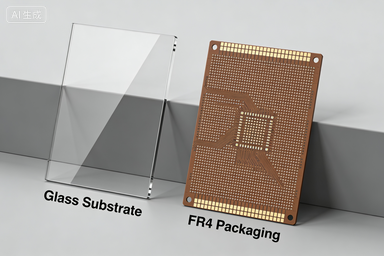
You might wonder why we desperately need a brand new material right now. The simple truth is clear. Our current chips are hitting hard physical limits. We cannot push them any further using old methods. If you stop reading right here, you will completely miss an important trend. This massive shift will change the entire electronics supply chain very soon. Let me show you exactly why this new technology matters so much for your future projects.
Why Are We Replacing Organic Resin (FR4) with Glass Substrates?
Old FR4 materials struggle to handle dense, high-speed chip designs6. This limits how much power we can pack into a small space. Glass offers a flat, stable alternative.
We replace organic resin (FR4)3 with glass because glass has a lower thermal expansion rate7 and exceptional flatness8. This allows for closer chip connections, ultra-fine wiring9, and better electrical performance. Organic materials simply cannot support these needs anymore.
The Physical Limits of Traditional Substrates
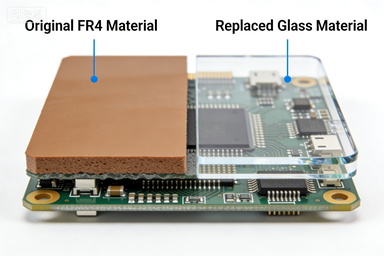
We must first look at the physical limits of traditional materials. We need this context to fully understand this shift. For many decades, organic resin did a very good job. The industry widely knows this resin as FR4. It was cheap and easy to make. But the rules are changing today. We know this well as hardware engineers. Engineers pack more transistors into a single chip today. This action generates much more heat in a very tight space. FR4 bends, warps, and expands when it gets hot. This physical movement breaks tiny, fragile electrical connections10. Glass does not do this. It stays perfectly flat under extreme stress.
Comparing FR4 and Glass
Let us break down the exact differences between these two materials. This comparison will help you see the truth. You will understand exactly why the whole electronics industry is actively moving toward glass.
| Feature | Organic Resin (FR4) | Glass Substrate |
|---|---|---|
| Surface Flatness | Moderate | Extremely High |
| Thermal Expansion | High | Very Low |
| Wiring Density | Limited | Ultra-fine |
| High-Frequency Signal | High Loss | Low Loss |
I talk to OEM procurement managers11 and production teams every single day. I work as a distributor at Nexcir. These managers need reliable parts. These parts must never fail in the field. Counterfeit or low-quality substrates cause huge financial losses. They also ruin brand trust. Glass substrates reduce these risks. They provide a much stronger, more stable physical base. This means fewer production errors. It also means much better final products for the end user. We work hard at Nexcir. We source our products exclusively from authorized distributors. We also buy directly from original manufacturers. This guarantees full traceability12. It ensures authenticity for every single shipment. You can always trust our global supply chain. We ensure our clients only get 100% original, verified components. These components match these strict new packaging standards. We always put customer needs first. We do this to improve supply chain efficiency.
How Do Glass Substrates Solve Warpage and Signal Issues in Large Packaging?
Large-size chip packages often warp during production. This ruins expensive silicon and delays manufacturing. Glass substrates stop this warpage. They also keep fast signals clear and steady.
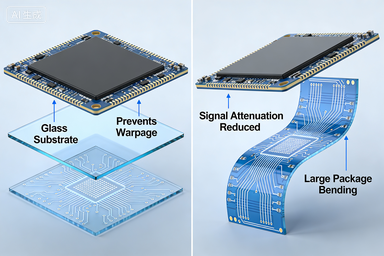
Glass substrates solve warpage because they have high mechanical stiffness and excellent thermal stability. They resist high temperatures without bending. Glass also has great electrical properties. High-speed signals travel faster and more reliably across large-size chip packages13. They do this without losing data.
The Problem with Large-Size Packaging
Modern chips are getting bigger and much more complex today. We do not use one single chip anymore. We now put multiple smaller chips together into one very large package. People often call these smaller chips chiplets14. You heat a large piece of organic resin during manufacturing. The edges naturally curl up when you do this. Engineers call this common problem warpage. I once visited a partner factory. A whole batch of expensive automotive chips failed completely there. Severe warpage caused this failure. The financial loss was huge. It delayed their production schedule for weeks.
The High-Temperature and Signal Advantage
Glass handles high temperatures much better than plastic resins ever could. It keeps its exact shape. This firm stability allows modern machines to work well. They place tiny connections with perfect, pinpoint accuracy. Fast digital signals also stay strong. They do not leak into glass the way they do into organic materials.
| Pain Point | FR4 Problem | Glass Solution |
|---|---|---|
| Large Package Warpage | Bends easily under heat | High stiffness prevents bending |
| Signal Integrity | High signal loss at high speeds | Smooth surface keeps signals clear |
| Production Yield | Lower yield due to physical stress | High yield from stable material |
System stability is everything for our customers. These customers work in the industrial, automotive, and IoT sectors. We know a secret at Nexcir. Stable pricing and reliable global logistics are very important. They are just as important as the new technology itself. We help our customers find these advanced materials. We do this without huge, sudden market price jumps. Our global supply network is strong. It ensures you get exactly what you need. You get it exactly when you need it. We collaborate with trusted global logistics partners. We offer flexible shipping solutions. These solutions ensure fast, safe, and reliable delivery worldwide. You will never wait too long for critical parts. Your production line will keep running smoothly. We reduce your procurement risks. You can then focus on building great products.
Will High-End AI Accelerators Switch to Glass Substrates by 2026?
AI chips run hotter today. They also push data limits. AI progress will stall if companies keep using old materials. Major players must adopt new solutions by 2026.
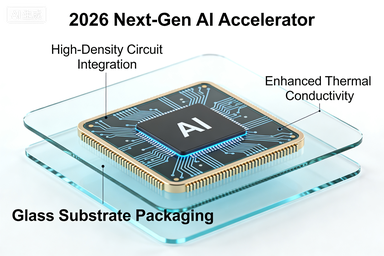
Yes, high-end AI accelerators15 will likely switch to glass substrates2 around 2026. Companies like Nvidia and Broadcom lead this change. Next-generation AI requires extreme power and data. Only glass materials can currently provide the unmatched thermal stability and wiring density for these demands.
The Demands of Next-Generation AI
Artificial intelligence is changing everything in our world today. High-end AI accelerators15 process massive amounts of data every second. This intense processing creates incredible amounts of heat. Companies like Nvidia and Broadcom want better performance. They are always looking for new ways to push past current hardware limits. I strongly believe the year 2026 will be a major turning point. The industry will change. We will see a real, massive shift in the material supply chain16.
Tracking the Material Shift
You might ask a question. Why will this happen in 2026? A brand new supply chain takes a lot of time to build. Factory equipment must change completely. Long safety testing must finish first. But the shift is already starting right now. It is happening in research labs around the world.
| Factor | Current State (2024) | Expected State (2026) |
|---|---|---|
| AI Chip Substrate | Advanced FR4 / Silicon Interposer | Early Glass Substrate Adoption |
| Supplier Readiness | R&D and Small Prototypes | Mass Production Capability |
| Market Focus | Testing reliability and limits | Scaling up for high-end AI |
Our core founding team has over 20 years of deep experience. We gained this experience in the electronic components industry. We watch these market trends very closely every day at Nexcir. Big tech companies change core materials sometimes. The whole global market feels the heavy impact when this happens. Shortages can happen quickly. Prices can jump without warning. We prepare our OEM and ODM clients early. We protect them from these shifts. We offer long-term supply programs. These programs lock in prices. This ensures our clients always have the authentic components. They get exactly what they need. They avoid the panic of sudden market changes. We value every single partnership. We always operate with total transparency. We act with integrity. We ensure our clients have full visibility. They have confidence throughout the entire procurement process.
Conclusion
Glass substrates will replace FR4 soon. They solve heat and warpage issues in large packages. This material shift will power the next generation of advanced AI accelerators15 by 2026.
Understanding chip warping helps prevent costly failures and improve device reliability. ↩
Glass substrates offer superior mechanical strength and thermal resistance, crucial for modern electronics. ↩
FR4 struggles with high-speed chip designs, limiting power density and causing warpage. ↩
Better signal transmission ensures faster and more reliable data processing in electronics. ↩
Large-size packaging supports advanced electronics, enhancing performance and efficiency. ↩
These designs require materials that can handle increased power and heat without failure. ↩
Lower thermal expansion rates in materials like glass prevent warpage and improve chip connections. ↩
Flatness allows for precise chip connections and reduces signal loss, enhancing performance. ↩
Ultra-fine wiring supports higher density and better electrical performance in chips. ↩
Fragile connections can break under stress, leading to device failure and costly repairs. ↩
They ensure reliable parts sourcing, reducing risks and maintaining brand trust. ↩
Traceability ensures authenticity and quality, preventing counterfeit components. ↩
They allow for more complex designs and improved performance in modern devices. ↩
Chiplets enable modular design, enhancing flexibility and performance in electronics. ↩
Glass substrates provide the thermal stability and wiring density needed for advanced AI processing. ↩
A stable supply chain ensures consistent access to high-quality materials, preventing production delays. ↩