
Have you ever had your production line stop because of a single missing chip? It’s a frustrating problem. Understanding why these shortages happen is the first step to preventing them.
The main reasons for shortages of components from brands like TI, ST, and ADI are market dynamics1 and production constraints2. This includes sudden demand spikes from panic buying3, limited factory capacity, strategic shifts to newer products, and disruptions from global events4 like pandemics or trade policy changes.
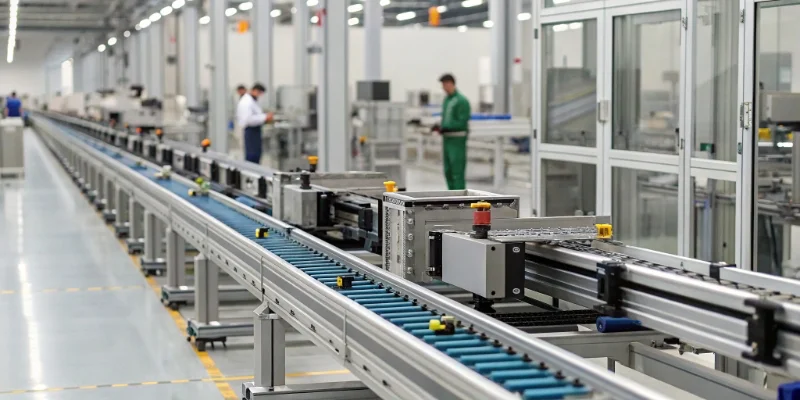
I've been in the electronics industry for over 20 years, and I've seen these cycles happen again and again. It feels unpredictable, but there are patterns. If you're a procurement manager or an engineer, you know the pain of a line-down situation. Your whole project is at risk because one small part is unavailable. It’s a challenge that costs time and money. But when you look closer at the causes, you can start to build a strategy to protect your projects. Let's break down the key reasons why these top-tier components can suddenly become so hard to find.
How Do Market Cycles and Customer Behavior Create Shortages?
Does it feel like component demand swings from one extreme to another? One moment there's a surplus, the next a desperate shortage. This instability can wreck your procurement forecasts5.
These shortages are often caused by the "bullwhip effect6." When a slight increase in demand occurs, companies panic and place larger orders than they need. This behavior ripples up the supply chain, causing manufacturers to see a massive, artificial demand spike that they cannot meet.
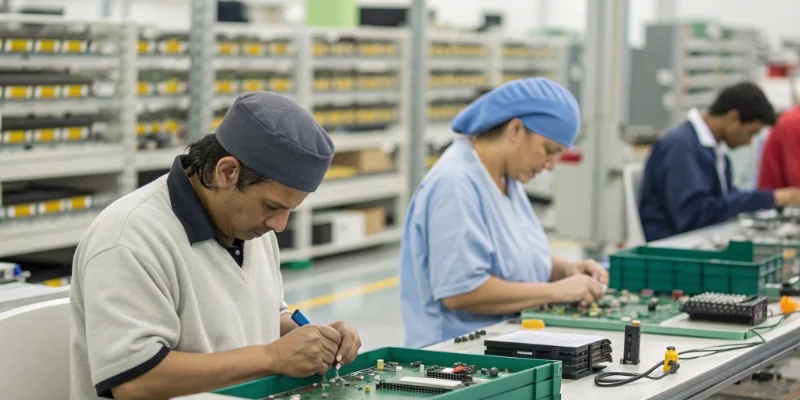
I remember a specific case back in 2021. We had a client in the industrial controls sector who used a standard Texas Instruments power management IC. Their normal forecast was about 10,000 pieces a quarter. Suddenly, they sent us an urgent request for 50,000 pieces. They had heard rumors of a shortage. The problem was, every other company using that part did the same thing. The demand seen by the factory wasn't a true reflection of market needs; it was a reflection of market fear. Lead times for that part jumped from 12 weeks to 52 weeks almost overnight. Then, a year later, many of those same customers were trying to sell their excess inventory because the panic had subsided. This cycle of hoarding and dumping creates massive instability for everyone. It shows how customer behavior7 directly creates the shortages they are trying to avoid.
Understanding the Demand Cycle
This boom-and-bust cycle is a classic supply chain problem. It is driven by emotion and lack of visibility.
| Cycle Phase | Customer Action | Manufacturer's Reality | Your Experience |
|---|---|---|---|
| Normal Market | Stable, predictable orders. | Production is balanced. | Easy procurement, stable prices. |
| Fear/Rumor | Panic-buying, double-ordering. | Sees a massive, artificial demand spike. | Sudden price hikes and long lead times. |
| Shortage Peak | Desperate sourcing, accepting high prices. | Ramping up production, but cannot meet peak demand. | Line-down situations, project delays. |
| Correction | Canceling orders, selling excess stock. | Faces sudden order cancellations and excess inventory. | Market is flooded, prices drop. |
This table shows how quickly things can change. As a procurement manager, your best defense is access to good information and a partner who understands these cycles.
Can Sudden Global Events Cause Widespread Component Scarcity?
Is your stable supply chain suddenly broken after a major global event? It's a shock when reliable parts disappear. This shows how fragile global manufacturing can be when faced with a crisis.
Yes, major events like pandemics, natural disasters, or geopolitical conflicts8 are a primary cause of severe component shortages9. They disrupt factory operations, cripple global logistics, and can cause unpredictable demand shifts, straining the entire supply chain for everyone, including major suppliers like ST and ADI.
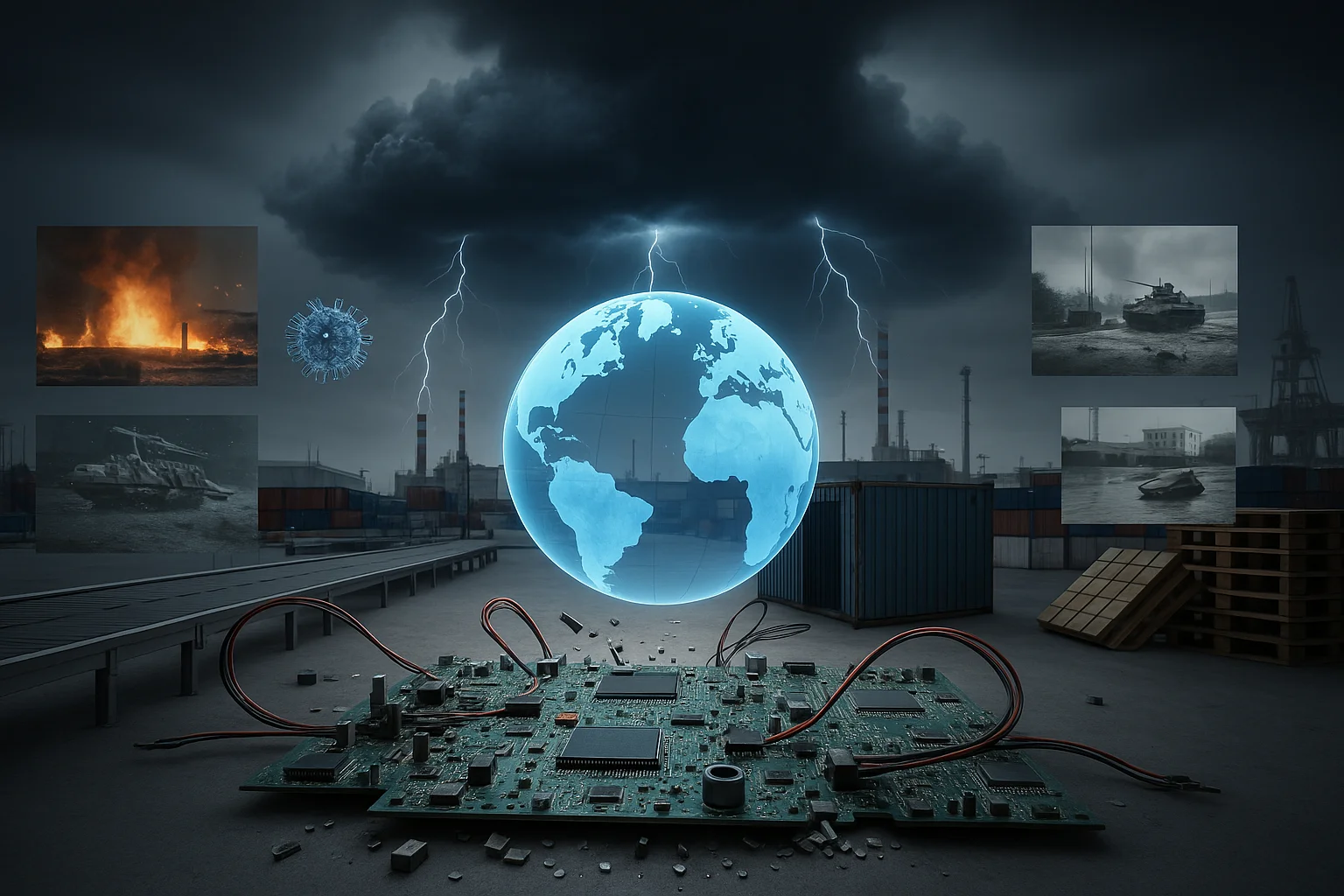
The COVID-19 pandemic10 is the perfect example. I was working closely with a customer who builds medical ventilators. Their demand went up by 1000% in a matter of weeks. They needed a specific STMicroelectronics MCU that was also used in automotive and consumer products. At the same time, ST’s assembly and test facilities in Malaysia were forced to shut down due to lockdowns. This created a perfect storm. On one hand, demand for certain products exploded. On the other hand, production capacity was cut dramatically. The result was a massive, industry-wide shortage of that MCU. We had to use our entire global network, calling contacts in Europe and North America day and night, just to find small batches of stock to keep their production line moving.
Breaking Down the Impact
These events attack the supply chain from multiple angles at once.
1. Production Halts
Factories are not islands. A lockdown in one country can stop the production of a critical material needed by a factory in another. For example, a fire at a resin factory in Japan can impact semiconductor packaging globally. When a major fab like one owned by TI or ADI has to halt or reduce production, the ripple effect is felt for months, as it takes a long time to restart and re-qualify a semiconductor production line.
2. Logistics Nightmares
Even if components are produced, they need to get to you. During the pandemic, air freight capacity disappeared, and sea ports became heavily congested. The cost of shipping a container skyrocketed. I had a shipment of Analog Devices converters get stuck at a port for six weeks. The parts were available, but they were physically inaccessible. These logistics failures11 create artificial shortages and add huge costs and delays to projects.
Why Does New Technology Sometimes Make Older Parts Harder to Find?
Your design has used the same reliable part for years. Now, it's suddenly "Not Recommended for New Designs" (NRND) or has a 50-week lead time. This forces a costly redesign you didn't plan for.
Manufacturers like TI, ST, and ADI must innovate to stay competitive. They invest their limited production capacity in newer, more profitable components. As a result, they may intentionally reduce or discontinue the production of older parts, even if they are still in demand for legacy products12.
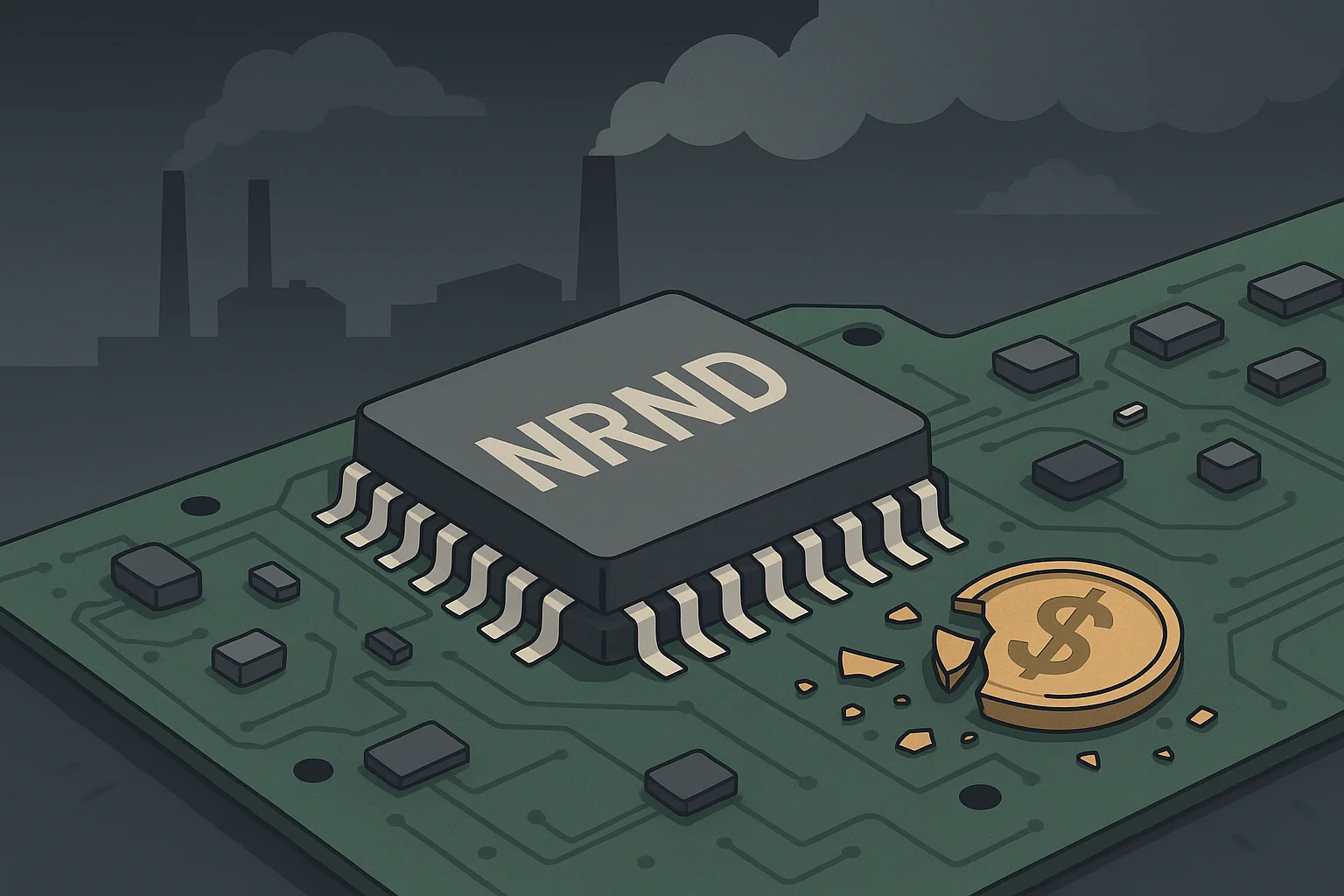
I once worked with a hardware engineer at a company that made professional audio equipment. His flagship product used a specific TI audio amplifier for over a decade. It was perfect for his design. One day, he came to us in a panic. The part was suddenly listed as NRND, and the last-time-buy date was approaching fast. We investigated and found that TI had released a new, smaller, more power-efficient version targeted at the automotive market, which was a much larger and more profitable sector for them. To free up production capacity for this new part, they decided to phase out the older one. The engineer was forced into a redesign that cost his company thousands of dollars and months of engineering time. This is a common story. Manufacturers are not trying to cause problems; they are making business decisions to maximize their own growth and profitability.
The Manufacturer's Perspective
It's helpful to understand the factors that drive a manufacturer's decision to phase out a product.
| Factor | Manufacturer's Action | Impact on Your Project |
|---|---|---|
| New, Higher-Margin Products | Shifts wafer capacity to the new product. | Older part becomes scarce, lead times increase. |
| Competition | A competitor offers a cheaper alternative, reducing demand. | The original manufacturer reduces production to avoid excess stock. |
| Manufacturing Complexity | An older process technology becomes expensive to maintain. | The part is discontinued in favor of parts on modern processes. |
| Low Demand Volume | The part is only used by a few niche customers. | It's no longer profitable to produce; declared End-of-Life (EOL)13. |
As a buyer, you cannot control these decisions. But by working with a partner who has deep market insight, you can get early warnings about these changes and plan for them, either by making a strategic last-time buy or by identifying a suitable replacement part ahead of time.
How Do Global Trade Policies Impact Component Availability?
You go to place your regular order, but the price has jumped 25%. Or worse, your supplier says they can no longer get the part. Your budget is wrecked, and your project is at risk.
Global trade policies14, especially tariffs15 and export restrictions, directly impact the cost and availability of electronic components. These policies can make it more expensive to import parts from certain countries or block access to them entirely, forcing supply chains to re-route and creating regional shortages.
The US-China trade war was a powerful lesson for the entire industry. We had a client in the US who relied on a specific ADI digital-to-analog converter. Although ADI is an American company, that particular part was packaged and tested in China. When the US government imposed a 25% tariff on a long list of goods from China, that converter was on the list. Overnight, the cost for our client went up by 25%. They were locked into a fixed-price contract with their end customer, so they had to absorb the loss. Other companies, faced with similar situations, tried to find alternative parts that were not subject to tariffs15. This created a sudden surge in demand for those alternatives, leading to shortages. It showed us that a political decision made in one capital city can instantly disrupt a finely tuned global supply chain.
The Hidden Risks of Trade Policy
The impact goes beyond just the initial price increase. It introduces layers of risk and uncertainty.
1. Sourcing Instability
When a country is hit with tariffs15, distributors may reduce their stock of components from that region to avoid risk. This reduces the overall available inventory in the market. Your usual supplier might suddenly not have stock, forcing you to search for new sources and vet new suppliers, which takes time and introduces risk.
2. Logistical Complexity
New trade rules mean more paperwork, more customs inspections, and a higher chance of delays. I've seen shipments held for weeks over confusion about a new tariff code. These delays are unpredictable and can be just as damaging as a component shortage. You need a logistics partner who is an expert in customs and trade compliance to navigate this.
3. The Threat of Escalation
Trade disputes are not static. New tariffs15 or restrictions can be announced with little warning. This uncertainty makes long-term planning very difficult. A part that is easy to source today could become restricted tomorrow. This is why having a global sourcing strategy, with access to components from multiple regions, is more important than ever. It provides a buffer against geopolitical shocks.
Conclusion
Understanding shortages from market cycles, global events4, and factory strategy is key. A reliable partner helps you navigate these challenges and secure your supply chain for the future.
Explore market dynamics and their influence on supply and demand in the electronics sector. ↩
Gain insights into production constraints and how they can lead to shortages in the manufacturing sector. ↩
Discover how panic buying can create artificial demand spikes and lead to supply chain disruptions. ↩
Understand the impact of global events on supply chains and how they can lead to component shortages. ↩
Discover strategies to enhance procurement forecasts and mitigate the impact of shortages. ↩
Learn about the bullwhip effect and its significant impact on supply chain dynamics and inventory management. ↩
Understand the role of customer behavior in shaping supply chain dynamics and component availability. ↩
Discover the impact of geopolitical conflicts on global supply chains and component availability. ↩
Explore this resource to understand the underlying factors contributing to component shortages in the electronics industry. ↩
Explore the significant effects of the COVID-19 pandemic on global supply chains and component availability. ↩
Learn about logistics failures and their role in creating artificial shortages in the supply chain. ↩
Explore the concept of legacy products and their relevance in the electronics industry. ↩
Understand the implications of End-of-Life (EOL) designations for electronic components and procurement. ↩
Explore the effects of trade policies on the availability and pricing of electronic components. ↩
Learn how tariffs can disrupt supply chains and impact the cost of electronic components. ↩