AI needs too much power. Grids are failing, putting your data at risk. I will show you how tech giants plan to fix this with nuclear energy.
Yes, cloud computing1 is moving toward nuclear energy. Tech giants and chip makers are building micro nuclear reactors2 because traditional power grids cannot support the massive energy needs of modern AI data centers. This ensures stable, independent, and clean power for future computing.
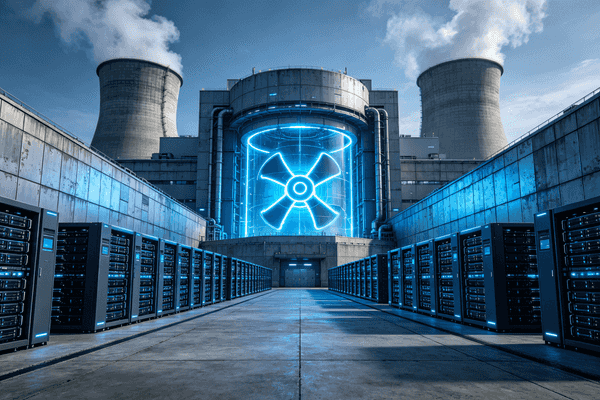
You might think nuclear power is only for big cities. But tech companies are changing the rules. Let us look at why this shift is happening right now and how it affects our industry.
Why Are Computing Centers Forced to Find Independent Power Solutions?
Power outages ruin production. The public grid3 is at its limit. Micro reactors offer a direct way to keep your servers running without relying on weak public power.
Computing centers must find independent power because public grid3s cannot handle the extreme energy demands of AI servers4. Independent solutions like micro reactors prevent blackouts, reduce downtime, and ensure massive server farms operate all day without crashing local power networks.
The Extreme Power Needs of AI
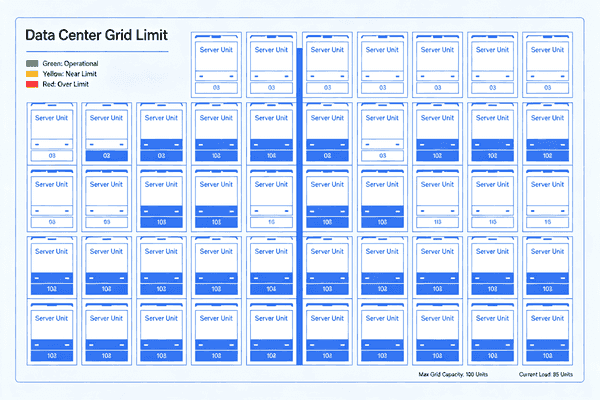
I have worked in the electronics supply chain5 for over 20 years. I see how fast things change. Today, AI servers4 use a massive amount of power. A standard server rack used to need a small amount of power. Now, an AI server rack needs up to twenty times more power. The public grid3 was not built for this huge demand. When many data centers open in one city, they drain all the local power. The grid reaches its limit very quickly. This causes sudden power drops. Power drops damage sensitive electronic components. Parts like MCUs and PMICs6 need a steady flow of electricity. We need to avoid these power drops at all costs. My clients need high-quality parts. They expect stable prices. When the public grid3 fails, chip prices go up. Production stops. This hurts everyone in the business.
How Grid Limits Affect Hardware
When the grid fails, computer hardware suffers. I talk to OEM managers7 every single day. They worry about broken parts all the time. A sudden power loss can destroy a whole batch of expensive chips. Data centers cannot accept this high risk. They cannot wait for cities to build bigger public power plants. City projects take too many years. Data centers must build their own power sources right now. They need steady power. They need clean power that never stops. Nuclear power provides this steady flow. It does not depend on the sun or the wind. It runs all day and all night.
Comparing Power Sources
| Power Source Type | Power Stability | Risk to Hardware | Grid Dependence |
|---|---|---|---|
| Public Power Grid | Low | High | Full |
| Solar and Wind | Medium | Medium | Partial |
| Independent Nuclear | Very High | Very Low | None |
As you can see, independent nuclear power offers the best stability. It protects the hardware completely. It keeps the data center running without any stops. This is why the shift to nuclear power is happening today.
Why Are Major Chip Makers Building Their Own Micro Nuclear Reactors?
Energy costs are rising fast. Chip makers lose money when power fails. Building small reactors gives them total control over their energy supply and costs.
Major chip manufacturers are building micro nuclear reactors2 to secure a stable energy source. They do this to protect chip production from grid failures. This step guarantees long-term energy security for creating advanced semiconductors and powering huge data centers without interruptions.
The Need for Absolute Stability
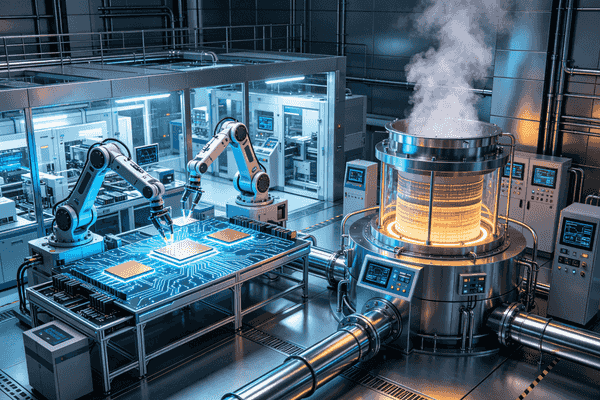
Making computer chips is very hard work. It takes many months to make just one batch of chips. The factory machines run 24 hours a day. If the power stops for just one second, the whole batch is ruined. Millions of dollars are lost instantly. I know this pain very well. My clients need original electronic components. They need them delivered on time. If a chip factory loses power, the chips are late. The whole supply chain breaks down. This is why chip makers want their own power. They cannot trust the public grid3 anymore. They need total control over their energy. This keeps their costs low. It keeps their production schedules on track.
What is a Micro Reactor?
A micro nuclear reactor is very small. People also call it a Small Modular Reactor8. You build the reactor parts in a safe factory. Then you move them to the chip plant. You put them together like toy blocks. This is much faster than building an old nuclear plant. It saves a lot of time. It saves a lot of money. The reactor does not need a huge space. It is also very safe. It cools itself down if something goes wrong. Chip makers can put these small reactors right next to their factories. This means the power travels a very short distance. No power is lost in long wires.
Factory Power Options
| Power Option | Setup Time | Space Needed | Long-Term Cost | Reliability |
|---|---|---|---|---|
| Gas Power Plant | Fast | Large | High | Good |
| Big Nuclear Plant | Very Slow | Very Large | Low | Excellent |
| Micro Reactor | Medium | Small | Low | Excellent |
Micro reactors are the perfect fit for chip makers. They take up very little space. They provide excellent reliability. Chip makers use them to stop power worries forever. This keeps the global supply of electronic parts safe. It keeps the supply very steady.
Will Microsoft and Amazon9 Integrate Energy with Semiconductor Parks by 2026?
Waiting for power limits your growth. Tech leaders are acting now. By 2026, we will see real projects where data centers and chip parks share nuclear power.
Yes, by 2026, tech giants like Microsoft and Amazon9 will start building shared energy projects with semiconductor parks. These projects will use small nuclear reactors to power data centers and chip factories together. This creates a highly efficient, self-contained tech ecosystem.
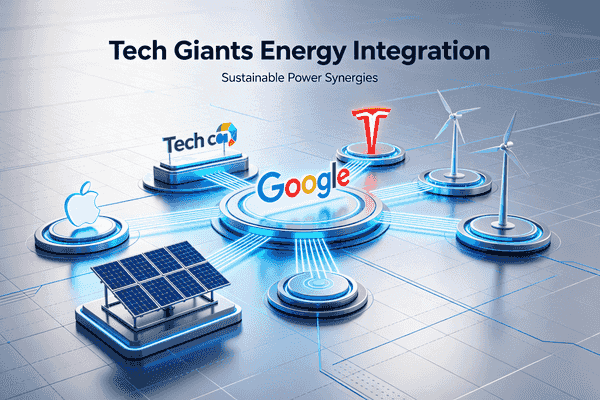
The Tech and Energy Alliance10
Microsoft and Amazon9 need many chips for their cloud services. They also need huge amounts of power to run their servers. Chip parks need steady power to make those chips. It makes perfect sense for them to work together. I see this trend growing very fast. They will build large tech parks together. These parks will have data centers, chip factories, and micro reactors all in one single place. By 2026, we will see the first dirt move for these big projects. They will share the building costs. They will share the clean energy. This teamwork solves the power problem for everyone involved. It builds a very strong tech world.
Impact on the Electronics Supply Chain
This is a very big deal for the supply chain. At Nexcir, we always look for stable supply channels. When tech giants and chip makers share power, they remove a major risk. Production becomes very stable. Prices for chips will not jump up and down because of energy costs11. Delivery times will be exact. My clients want stable pricing. They want on-time delivery. These new energy parks will make that happen. They will also stop counterfeit parts12 from entering the market. When the original factories run smoothly, there is no need to look for risky backup parts. We can promise better delivery times. We can lower procurement risks for all our clients.
2026 Integration Plan13
| Project Stage | Actions by Tech Giants | Actions by Chip Makers | Expected Result |
|---|---|---|---|
| Planning (Now) | Buy land, get permits | Design new factories | Clear project map |
| Breaking Ground (2026) | Start reactor build | Start factory build | Shared energy zone |
| Operation (Future) | Run AI servers4 | Make new chips | Zero power downtime |
This shared plan changes everything in our industry. It connects the power source directly to the end user. It makes the whole industry stronger. It makes the supply chain much safer.
Conclusion
Nuclear power will soon drive our cloud computing1 and chip making. This ensures a stable future for the electronics supply chain5. We must prepare for this new energy era now.
Explore how cloud computing is adopting nuclear energy to ensure stable and clean power for future computing needs. ↩
Learn about micro nuclear reactors and their role in providing stable power to data centers, independent of traditional grids. ↩
Understand the limitations of the public grid in supporting the massive energy demands of AI data centers. ↩
Find out why AI servers require significantly more power than traditional servers, affecting grid stability. ↩
Understand the potential impact of nuclear power on stabilizing the electronics supply chain and reducing risks. ↩
Learn why maintaining a steady power flow is essential for the proper functioning of MCUs and PMICs. ↩
Explore the concerns of OEM managers about power stability and its impact on hardware reliability. ↩
Discover the benefits and applications of Small Modular Reactors in chip manufacturing and energy supply. ↩
Learn about the plans of Microsoft and Amazon to integrate energy solutions with semiconductor parks by 2026. ↩
Explore the collaboration between Microsoft and Amazon to create a tech and energy alliance for shared power solutions. ↩
Understand the reasons behind rising energy costs for chip makers and how nuclear power can mitigate these costs. ↩
Learn how a stable power supply can reduce the risk of counterfeit parts entering the electronics market. ↩
Explore the 2026 Integration Plan for tech giants and chip makers to create shared energy zones and improve industry stability. ↩