Are you worried about supply chain shocks1? High costs and long lead times hurt your production. India is stepping up, but can they really solve your chip supply problems?
India's semiconductor manufacturing2 is making its debut through local companies like iVP Semi3. They focus on mature process capacity4 rather than advanced nodes. This move successfully diverts global production for basic consumer electronic components5, offering OEM buyers6 a new, stable sourcing option for essential chips.
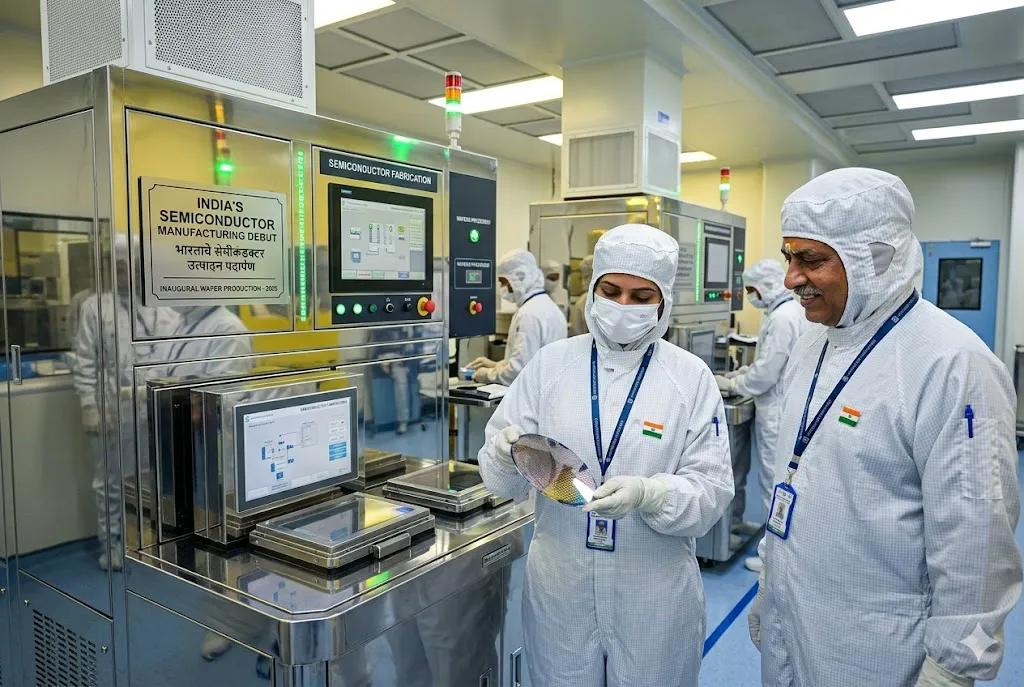
I remember a time when finding a simple power management IC7 felt like looking for a needle in a haystack. Market shifts always bring new players, and India is now entering the chat. Let us see what this means for your daily procurement tasks.
Are Local Companies Like iVP Semi3 Driving India's Mature Process Capacity?
You need stable chip supplies, but relying on a few regions is risky. Supply delays cost you money. Local Indian firms like iVP Semi3 are stepping in to help.
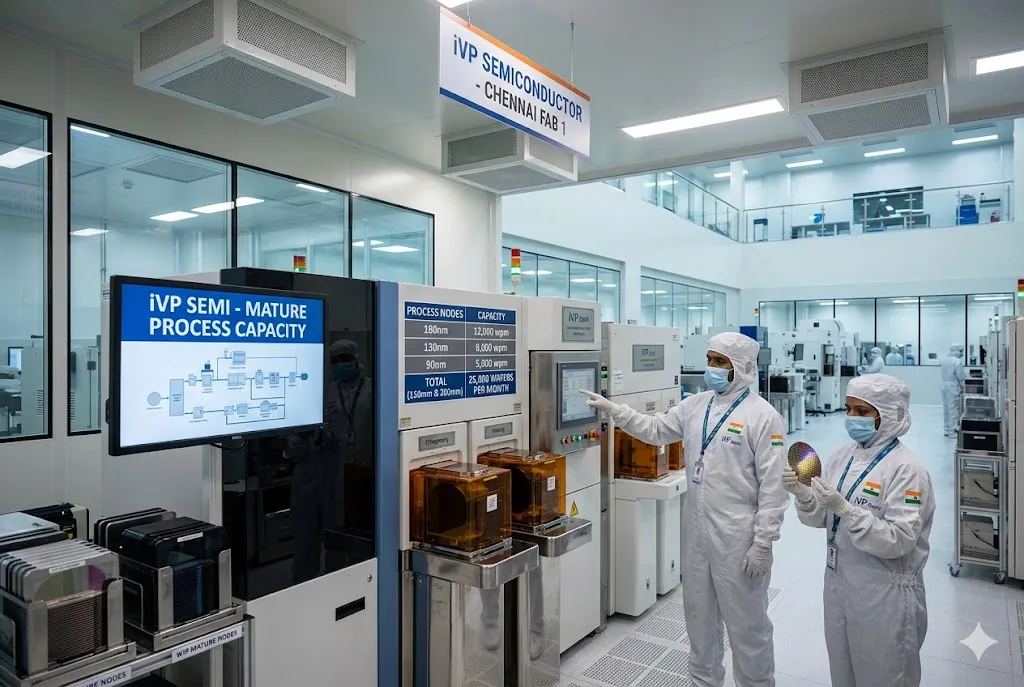
Yes, local companies like iVP Semi3 are driving India's mature process capacity4. They do not build cutting-edge chips yet. Instead, they produce reliable, older-generation chips. This gives hardware engineers and buyers a new source for the standard parts needed in everyday electronic devices.
Understanding the Rise of Indian Foundries
When I talk to procurement managers, they often ask about new supply hubs. India is becoming one of these hubs. Companies like iVP Semi3 are taking smart steps. They know they cannot beat big players in 3nm or 5nm chips right now. So, they focus on mature nodes like 28nm or older. These are the chips we use in power supplies, sensors8, and basic controllers.
I have seen many clients struggle to get these basic parts during shortages. India's strategy is very practical. They build factories for the chips the world uses the most. This helps them grow their local skills. It also builds trust with global buyers. At Nexcir9, we always look for stable sources. If India can keep the quality high, they will be a great partner.
Let us look at how India compares to traditional hubs for mature chips.
| Feature | Traditional Hubs | Emerging Indian Hubs (e.g., iVP Semi3) |
|---|---|---|
| Experience | Over 30 years | Just starting, but learning fast |
| Focus Area | Both advanced and mature | Strictly mature processes |
| Cost Advantage | High labor costs | Lower labor and operation costs |
| Supply Chain Risk | High due to geopolitics | Offers a new backup option |
This shift means you have more choices. You do not have to rely on just one region. By using these new Indian sources, you can lower your risks. You get the authentic parts10 you need without the long wait.
Can India Divert Global Capacity in Basic Consumer Electronic Components?
High demand for basic components often leads to sudden price jumps. Your budget suffers when traditional factories are full. India's new factories are starting to take on this exact burden.
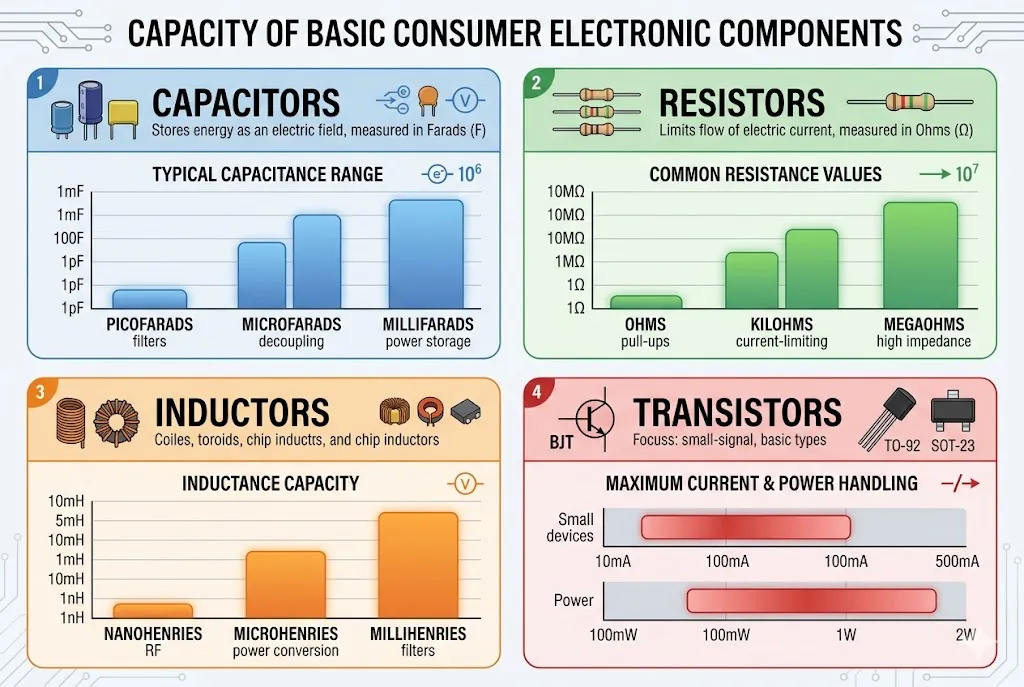
Yes, India is successfully diverting global capacity for basic consumer electronic components5. By mass-producing MCUs11, PMICs12, and basic sensors8, Indian foundries take the pressure off traditional factories. This shift helps balance the global supply, keeping prices stable and ensuring you get your parts on time.
The Impact on Consumer Electronics Supply
Think about a simple smart home device. It does not need a supercomputer chip. It needs basic, reliable parts. In my 20 years in this industry, I have seen basic parts cause the biggest production stops. When everyone wants PMICs12, traditional factories cannot make them fast enough.
India is stepping in to fill this exact gap. They are making the chips that go into toys, home appliances, and basic car parts. This takes the load off factories in Taiwan or South Korea. Those factories can then focus on advanced AI chips. Meanwhile, India handles the basic stuff. This is a win for everyone.
Let us break down the types of components India is targeting.
| Component Type | Usage in Consumer Electronics | Why India Can Make It |
|---|---|---|
| PMIC (Power Management) | Chargers, batteries, small screens | Uses mature, well-known technology |
| Basic MCU | Microwaves, simple IoT devices | High volume demand, easy to scale |
| Sensors | Smart home, basic automation | Lower barrier to entry for testing |
| Connectors/Modules | Audio devices, basic networking | Labor-intensive assembly fits India |
For OEM buyers6, this means fewer headaches. When global capacity is shared, you do not see crazy price spikes. You can plan your budget better. At Nexcir9, we help you find these stable channels. We check the quality so you do not have to worry about counterfeit parts from new markets.
How Will This Shift Impact OEM Procurement and the Global Supply Chain?
Counterfeit parts and long lead times can ruin your production line. You need safe, fast sourcing. India's entry into chip making changes how you plan your global procurement strategy.
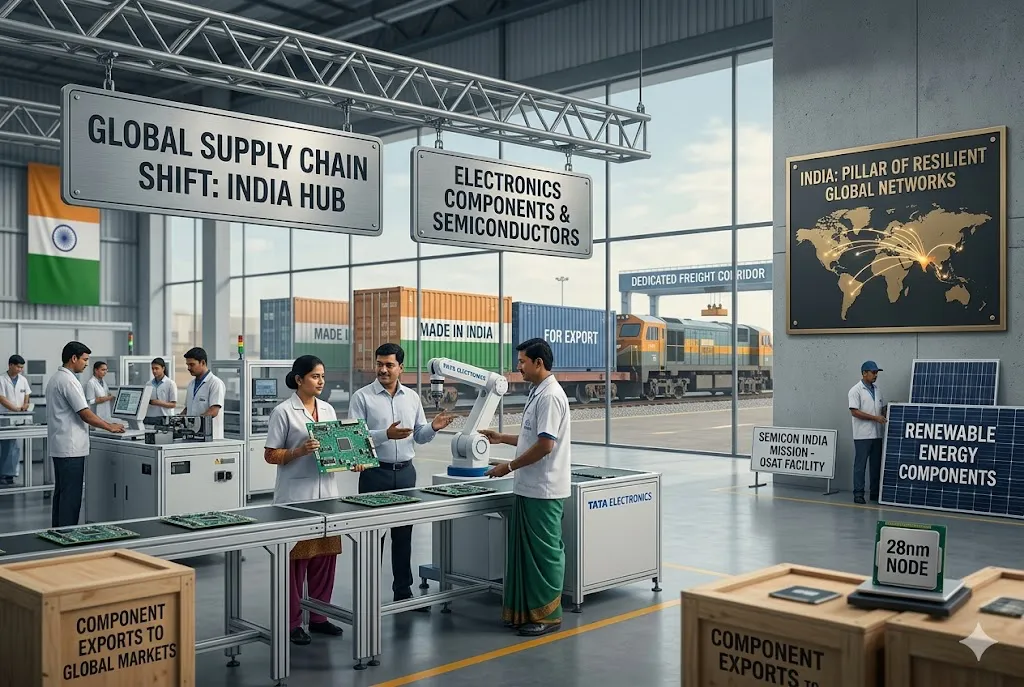
This shift makes OEM procurement safer and more flexible. With India adding mature chip capacity, buyers have a strong backup plan. It reduces reliance on a single region, lowers the risk of supply chain breaks, and helps maintain steady production schedules without facing sudden price increases.
Building a Safer Supply Chain Strategy
In the past, if a factory in one country had a problem, the whole world waited. I have helped many clients through these hard times. Now, India is giving us a safety net. For hardware engineers and production teams, this is great news. You can design your boards knowing that the basic parts will be available.
At Nexcir9, our goal is to lower your procurement risks. When new players like India enter the market, we watch them closely. We make sure their products meet industry standards. You want 100% original electronic components. You also want prices lower than your local market. India's lower production costs can help achieve this.
Here is how your procurement strategy can change with India in the market.
| Procurement Challenge | Old Strategy | New Strategy with Indian Supply |
|---|---|---|
| Single Region Risk | Buy extra stock, tie up cash | Use India as a second source, save cash |
| Price Fluctuations | Accept high prices during shortages | Enjoy stable prices from shared global capacity |
| Counterfeit Risk | Buy from gray market in panic | Buy authentic parts10 from new authorized Indian lines |
| Long Lead Times | Wait 50+ weeks for basic parts | Get basic parts faster from Indian foundries |
You do not have to change your whole supply chain today. But you should start testing these new channels. We can help you find alternatives for EOL or hard-to-find components. India's debut in semiconductor manufacturing is a step toward a smarter, more connected future.
You face constant pressure to cut costs while keeping quality high. Managing a scattered supply chain is hard. Shared global manufacturing is the only way to solve this ongoing puzzle.
Yes, the future of electronics relies on shared global manufacturing13. No single country can make everything anymore. By letting India handle mature processes and other regions handle advanced chips, the global supply chain14 becomes much stronger. This teamwork ensures reliable deliveries and better cost control for everyone.
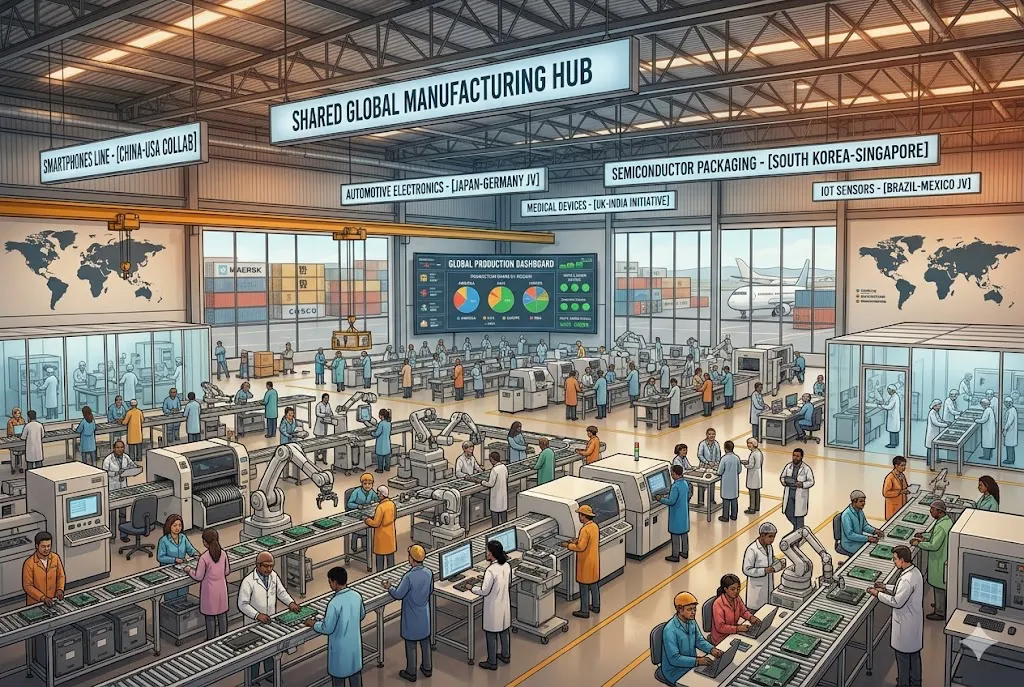
Embracing the "Next Circuit, Next Future"
I always tell my team that the electronics world is like a giant puzzle. Every country holds a different piece. For a long time, a few countries held too many pieces. Now, India is picking up its share. This shared model is what we call the future. It aligns perfectly with our vision at Nexcir9.
When you manage electronic component procurement projects, you need peace of mind. You want to know that your PMICs12 and sensors8 will arrive next Tuesday as promised. If India can master the mature processes, they will take a huge weight off the global system. This allows everyone to do what they do best.
Let us look at the benefits of a shared global manufacturing13 model.
| Benefit Area | How Shared Manufacturing Helps | Value to OEM/ODM Buyers |
|---|---|---|
| Production Stability | Multiple factories worldwide make the same part | No production stops, steady factory lines |
| Cost Optimization | Countries compete on efficiency and labor costs | Lower prices for basic electronic components |
| Quality Control | Global standards apply to all new factories | 100% authentic parts10, fewer returns |
| Logistics | Goods ship from closer or more flexible ports | Faster delivery, lower shipping fees |
This is why India's debut is so important. They are not trying to be the king of all chips. They are filling a vital role. By doing this, they help distributors like us provide you with stable, low-cost, and high-quality parts. We will continue to use our 20 years of experience to bring you the best from this changing world.
Conclusion
India's entry into mature chip manufacturing provides a vital backup for global supply. It stabilizes prices and ensures OEMs get authentic, basic components on time for steady production.
Understanding supply chain shocks can help you mitigate risks and ensure smoother production processes. ↩
Exploring India's semiconductor manufacturing can reveal new opportunities for sourcing essential components. ↩
Learning about iVP Semi can provide insights into India's growing capabilities in chip production. ↩
Understanding mature process capacity helps in identifying reliable sources for essential electronic components. ↩
India's role in supplying basic components can help stabilize prices and ensure timely deliveries. ↩
Discover why OEM buyers are turning to India for stable and cost-effective chip supplies. ↩
Understanding power management ICs can help in selecting the right components for electronic devices. ↩
Understanding sensors can assist in selecting the right components for smart devices. ↩
Exploring Nexcir's role can provide insights into reliable sourcing and procurement strategies. ↩
Ensuring authenticity in parts is crucial for maintaining quality and reliability in production. ↩
Learning about MCUs can help in choosing the right microcontrollers for various applications. ↩
Understanding PMICs can aid in selecting the right power management solutions for devices. ↩
Understanding shared global manufacturing can reveal how it strengthens the supply chain. ↩
Exploring India's impact on the global supply chain can reveal new strategies for procurement. ↩