Excess electronic parts sit in your warehouse. They tie up your cash. They lose value every day. AI algorithms1 offer a smart way to clear this dead stock.
AI algorithms1 predict excess factory inventory2 by analyzing past production data and market demand. This technology spots trends early. It helps you sell surplus parts before they become obsolete. You can turn idle ICs back into working cash.

I have seen many OEM procurement managers3 struggle with piled-up microcontrollers. You might think this is just a normal cost of business. This is not true. We can change this. Let us look at how smart tools fix this problem.
Why Do Factories Struggle With Dead Stock of Electronic Components?
Production plans change fast. You buy parts for a project. The project gets canceled. Now you have boxes of unused PMICs taking up space.
Factories struggle with dead stock due to sudden design changes4 and canceled orders. Original manufacturers also force minimum order quantities5. When product lifecycles6 end, leftover components become obsolete. Without a clear plan, these parts stay in the warehouse and waste your money.
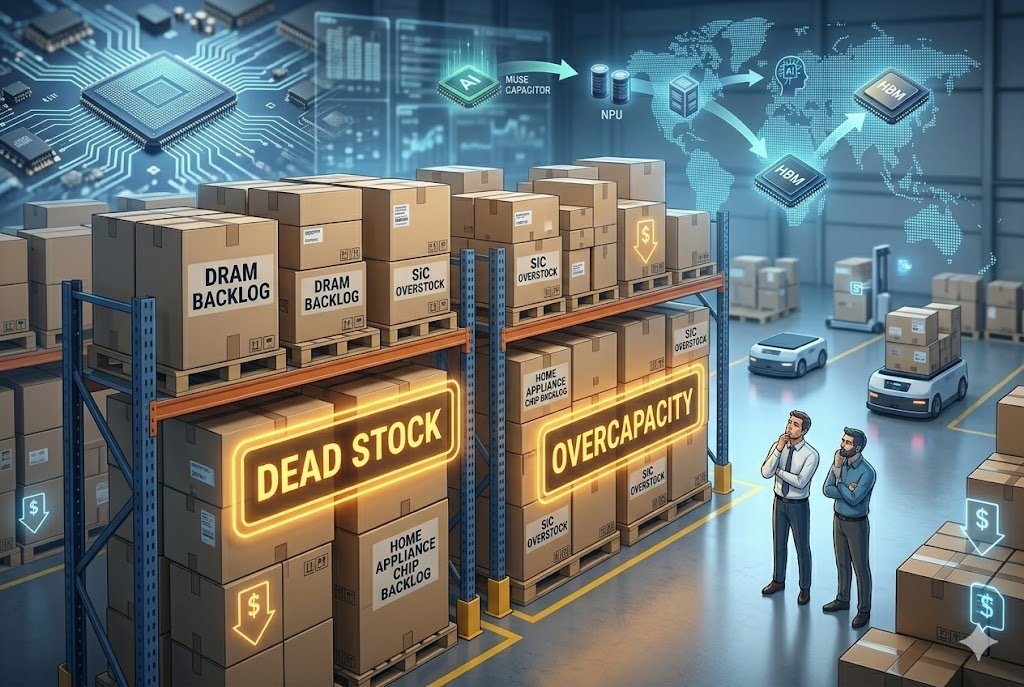
I remember a time when a client had thousands of unused MCUs. They ordered them for a smart home device. The market changed. They stopped making the device. The parts just sat there. This happens very often in our industry. Many hardware engineers face this issue. They update a product design. The old parts are no longer needed. The procurement team already bought them.
The Main Causes of Excess Inventory
We must look at why this problem starts. It is not just bad planning by the production team. The electronics supply chain is very complex. Lead times are long. You have to order early to get authentic parts. Sometimes, the market changes before the parts arrive.
| Cause of Dead Stock | How It Happens | Impact on Factory |
|---|---|---|
| Minimum Order Quantity | Manufacturers force you to buy more than you need. | Ties up cash in parts you will not use. |
| End of Life | A part gets retired before you finish your production run. | Parts become useless for future designs. |
| Design Changes | Engineers update the board and remove an old component. | Old components are left in the warehouse. |
The cost of keeping these parts is very high. You pay for warehouse space. You pay for insurance. The parts get old. The metal pins can oxidize. The parts become completely useless. This ruins your profit margins.
You can see that dead stock is a system problem. At Nexcir, my team and I know these supply chain issues7 well. We have over 20 years of experience. We see that factories buy parts to avoid shortages. This safety stock often turns into dead stock. You need a better way to handle this risk. You need to know how to manage the lifecycle of every IC in your factory.
How Can AI Algorithms Predict Excess Inventory Before It Happens?
Manual spreadsheets fail to track every part. You miss warning signs. You buy too much. AI algorithms1 fix this by tracking data in real time.
AI algorithms1 predict excess inventory by matching your bill of materials against global market data. They track component lifecycle8s and historical usage. The AI warns you when a part might become dead stock. This helps you stop buying early and start selling surplus parts fast.
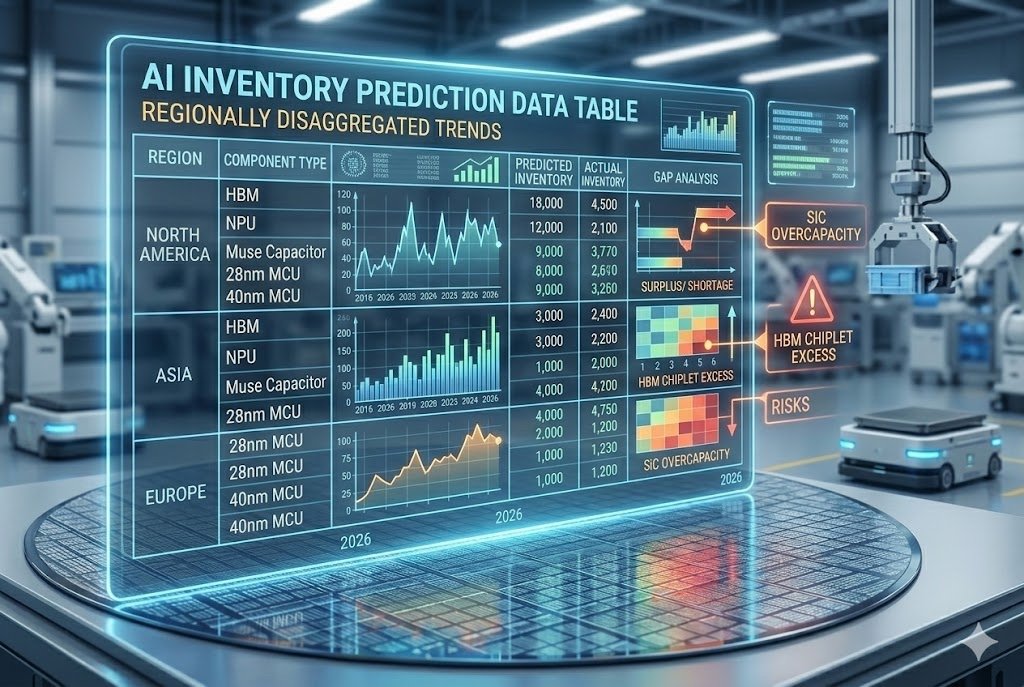
I used to spend days looking at Excel sheets to find old stock. It was slow. It was hard. I could never keep up with the changing prices. Now, AI changes how we look at data. AI does not just look at your warehouse. It looks at the whole global market.
How AI Models Work for Electronic Parts
AI uses machine learning9 to find patterns in the supply chain. It looks at the history of a specific IC. It checks if the original manufacturer is slowing down production. It tracks global logistics data to see shipping delays.
| AI Data Source | What It Tells Us | Action to Take |
|---|---|---|
| Historical Usage | How fast you use a part in your factory. | Stop ordering if usage drops. |
| Market Demand | How many other companies want this part. | Sell the part now if demand is high. |
| Component Lifecycle | If the part is near End of Life. | Find alternative parts for new designs. |
This data helps you make smart choices. You do not have to guess anymore. You can see the future of your inventory clearly. The AI might say demand for a specific PMIC is dropping. You stop buying it immediately. You might have too many connectors. You sell them to other buyers before the price falls.
We see many clients struggle with counterfeit products10. When you rush to buy or sell parts, you face trust issues. AI helps here too. It tracks the source of the parts. It ensures full traceability. This lowers your procurement risks. This keeps your warehouse clean. It protects your cash flow. We help our clients use this market data. We want you to avoid buying extra parts. We want you to keep your production schedule stable.
How Does Inventory Optimization Transform Component Trading?
You think trading is just buying cheap and selling high. This old view keeps you stuck. Modern trading is actually about smart inventory optimization11.
Inventory optimization transforms trading by turning idle parts into active market solutions. A good distributor does more than just sell parts. We help you balance your stock. We buy your excess inventory and sell it to companies that need it. This solves supply chain problems12 for everyone.
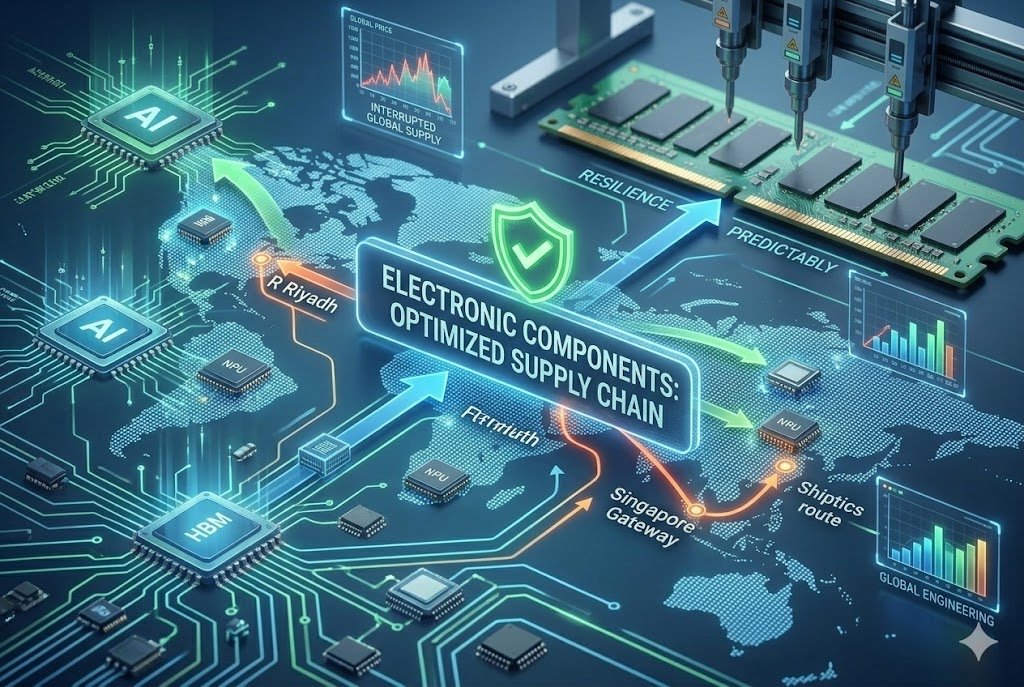
When I started in this industry, people just bought and sold parts. They did not care about the factory's real problems. They just wanted to make a quick profit. I realized this was wrong. Trading is not just a simple transaction. It is a vital service for your business. Our insight is simple. Trading is actually inventory optimization11.
Moving From Simple Sales to Smart Services
At Nexcir, we do not just ship boxes of components. We look at your whole supply chain. You might have too many original semiconductors. We help you clear them. You might need parts fast. We find them in our global network. We always ensure product authenticity13. We never sell counterfeit products10.
| Old Trading Model | Modern Optimization Model | Benefit for You |
|---|---|---|
| One-time sales | Long-term supply programs | Secure stable prices and lower your risks. |
| No data sharing | Sharing market trends and AI data | Make better planning choices for your production. |
| Ignore dead stock | Help clear excess inventory | Turn your dead parts back into working cash. |
We use our global supply network14 across North America, Europe, and Asia. We move parts where they are needed most. All our resources come from authorized distributors and original manufacturers. We guarantee they are authentic. We help you sell your dead stock. We help another factory avoid a production stop.
Our flexible service models fit your exact needs. We offer competitive pricing. We offer dependable delivery capabilities. We maximize value for our clients. We believe in our motto. Next Circuit, Next Future15. We bring professionalism and efficiency to every deal. This creates a healthy ecosystem for everyone. We want to be your trusted partner in the global electronics supply chain. We want to grow with you. We want to build a smarter future together.
Conclusion
Clearing dead stock is a technical art. By using AI data and partnering with an expert distributor, you optimize inventory, save money, and build a stronger supply chain.
AI algorithms can revolutionize inventory management by predicting excess stock, helping you sell surplus parts before they become obsolete. ↩
Understanding the causes of excess inventory can help you implement strategies to manage and reduce it effectively. ↩
OEM procurement managers often struggle with excess inventory, and learning about their challenges can help in finding solutions. ↩
Design changes can leave old components unused, leading to excess inventory and wasted resources. ↩
Minimum order quantities can lead to excess inventory, tying up cash in parts that may not be used. ↩
Understanding product lifecycles can help in planning inventory purchases and avoiding obsolete stock. ↩
Supply chain issues can lead to excess inventory and inefficiencies, understanding them can help in finding solutions. ↩
Tracking component lifecycle helps in avoiding obsolete stock and planning for future needs. ↩
Machine learning can identify patterns and trends in supply chains, aiding in better inventory management. ↩
AI can track the source of parts, ensuring authenticity and reducing procurement risks. ↩
Inventory optimization turns idle parts into market solutions, improving efficiency and reducing waste. ↩
Inventory optimization can balance stock levels, reducing excess and preventing shortages. ↩
Ensuring product authenticity prevents counterfeit products, protecting your business and reputation. ↩
A global supply network ensures parts are available where needed, reducing delays and improving efficiency. ↩
Understanding this philosophy can provide insights into the company's approach to supply chain management and innovation. ↩