High heat kills expensive chips. As power grows, normal fans fail to stop overheating. JetCool brings a new answer1 by cooling the hot chip directly from the inside.
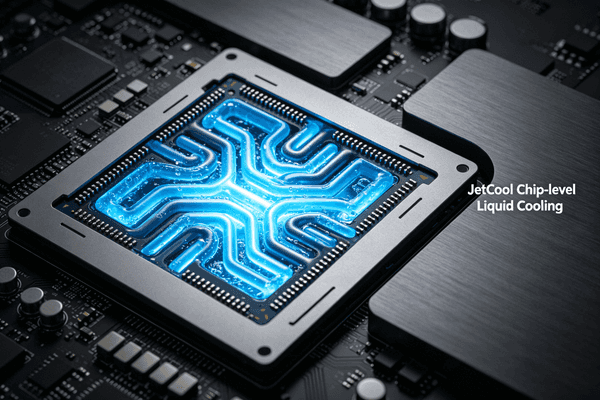
Chip-level liquid cooling, or JetCool, is a method that directly cools electronic components. It places tiny fluid channels inside the chip package. This directly removes heat from the silicon. It helps high-power chips run safely and stops thermal damage in modern electronic devices.
I remember a project where a client lost thousands of dollars because their servers overheated. We had to find a better way. If you want to keep your next-generation chips safe, you must understand how this inside-out cooling works. Keep reading to see why old fans are dead.
How Do Microchannels Work Inside the Silicon Wafer?
Heat gets trapped inside thick chip packages. Fans blow air, but the inside stays hot. Microchannels fix this by sending cool liquid right into the hot silicon core.
Microchannel cooling works2 by etching tiny paths directly onto the back of the silicon wafer or inside the packaging layer. Liquid flows through these tiny paths. This grabs the heat right at the source before it can spread to other parts.

The Hidden Heat Problem3
When I talk to hardware engineers, they always worry about the core temperature. The outside of the chip feels warm. But the inside is burning. We cannot just put a big metal block on top anymore. We need to go deeper. Complex designs make the heat stay inside. The heat cannot escape fast enough.
How Microchannels Change the Game4
By etching paths directly into the silicon, we change the rules. The liquid touches the hottest part of the chip. I saw this in a recent lab test. The results were amazing. The heat drops instantly. This is much better than waiting for the heat to move through layers of metal and paste. The liquid takes the heat away right now.
Comparing Heat Transfer Methods5
Let us look at a simple breakdown.
| Cooling Method | Where It Cools | Speed of Heat Removal | Risk Level |
|---|---|---|---|
| Old Air Fans | Top of the metal case | Very Slow | High |
| Cold Plates | Top of the chip package | Medium | Medium |
| Microchannels | Inside the silicon wafer | Very Fast | Low |
As a distributor at Nexcir, I see many clients buying new, high-power ICs. They need these chips to run fast. But they forget about the heat. If you buy a strong chip, you must cool it well. Microchannels give you the best chance to keep the chip safe. We always tell our OEM partners to look into chip-level designs. It saves money. It stops failures. We have over 20 years of experience in this industry. We know that good cooling makes your parts last longer. You get better value from your authentic components when you cool them right.
Why Do Traditional Cooling Methods Fail at 2000W?
Power demands are huge today. Old cold plates cannot stop a sudden 2000W heat spike6. Your system will crash. Chip-level cooling stops these massive heat spikes fast.
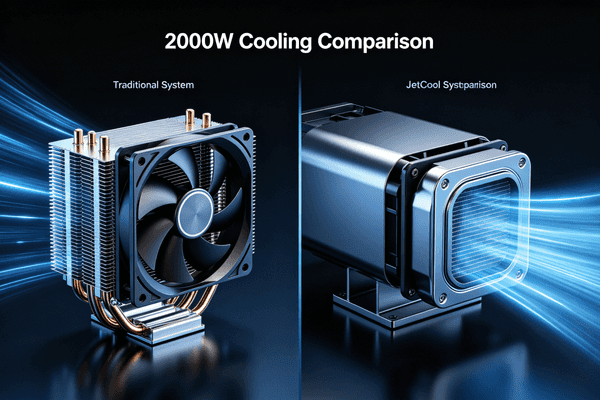
Traditional air cooling and standard cold plates fail at 2000W because they cannot move heat fast enough. A sudden 2000W spike creates a thermal wall. The heat stays trapped. Chip-level cooling solves this by using direct liquid contact to absorb huge heat spikes instantly.
The 2000W Wall7
A few months ago, a client called me in a panic. Their new AI servers kept shutting down. They used the best fans and big cold plates. But the chips hit 2000W for just one second. The system crashed. This is the new reality. AI and fast data need too much power. The power makes too much heat.
Why Old Methods Fail
Old methods rely on layers. The heat must move from the silicon to the paste. Then it moves to the metal lid. Finally, it moves to the cold plate. Every layer slows the heat down. When 2000W hits, the heat cannot wait. It builds up. It destroys the chip. I always tell my team at Nexcir that we must help clients avoid this trap.
The Cost of Overheating8
When a chip burns, you lose more than just a part.
| Problem | Impact on Business | Solution |
|---|---|---|
| Sudden Crash | Production stops | Use direct liquid cooling |
| Broken Chip | High replacement cost | Buy original parts from Nexcir |
| Lost Data | Angry customers | Keep temperatures stable |
At Nexcir, we supply 100% original electronic components. We get them from authorized distributors. But even the best original MCU or PMIC will fail if it gets too hot. You need a cooling system that matches the power of your chips. JetCool gives you that match. It handles the 2000W spikes without breaking a sweat. Your production schedule stays safe. Your costs stay low. You avoid the pain of buying new parts in a bad market.
Will Data Centers Accept Complex Water Systems9 by 2026?
Water inside a server room scares people. Leaks cause terrible damage. But performance needs keep growing. Soon, data centers must choose between safe old fans and fast water systems.
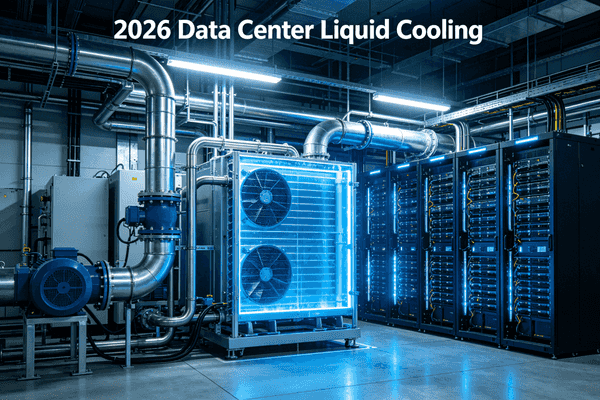
By 2026, data centers will likely accept complex chip-level water systems. The demand for higher performance and AI processing forces this change. Even though water systems carry leak risks, the huge performance gains make the upgrade necessary for future survival.
The Fear of Water10
I understand why data center managers hate water. Years ago, I saw a small water leak ruin an entire rack of expensive servers. It was a nightmare. Water and electricity do not mix well. This is why many people still hold on to air cooling. They want simple systems. They want safe systems. They fear the risk of counterfeit or cheap pipes breaking.
The Push for Performance11
But we are looking at the year 2026. Things are changing fast. AI models are getting bigger. Hardware engineers need more power. You cannot run a future AI model on an old air-cooled server. The chips will just melt. Data centers have a hard choice. They can stay safe and fall behind. Or, they can use complex water systems and win the race.
What Data Centers Must Do
To make this work, data centers need new rules.
| Requirement | Why It Matters | How To Get It |
|---|---|---|
| Better Seals12 | Stops leaks | Use high-quality connectors |
| Smart Sensors13 | Finds leaks early | Buy reliable sensors from Nexcir |
| Staff Training14 | Fixes problems fast | Teach teams about liquid systems |
I believe the industry will adapt. The money from better performance is too big to ignore. They will build better pipes. They will buy better sensors. At Nexcir, we are already helping clients find the right sensors and connectors for these new liquid systems. We use our global supply network to find the best parts. If you want to be ready for 2026, you must start planning your water systems today. We can help you find the right components to build a safe and strong system.
Conclusion
Chip-level liquid cooling fixes extreme heat in modern chips. Microchannels handle big 2000W spikes easily. Data centers will need these water systems soon to keep up with new AI demands.
JetCool offers a revolutionary cooling method that directly addresses overheating in high-power chips, ensuring their safety and longevity. ↩
Understanding microchannel cooling is crucial for anyone looking to enhance chip performance and prevent overheating in modern electronic devices. ↩
Exploring the hidden heat problem reveals why traditional cooling methods fail and highlights the need for innovative solutions like microchannel cooling. ↩
Microchannels offer a groundbreaking approach to cooling, providing immediate heat removal and improving chip performance and reliability. ↩
Comparing heat transfer methods helps in choosing the most effective cooling solution for high-power chips, ensuring optimal performance. ↩
Understanding the limitations of traditional cooling methods at 2000W spikes is essential for preventing chip damage and system crashes. ↩
The 2000W wall represents a critical challenge in chip cooling, necessitating advanced solutions like JetCool to prevent overheating and system failure. ↩
Exploring the cost of overheating highlights the importance of effective cooling solutions to prevent production stops and financial losses. ↩
Data centers face a crucial decision to adopt water systems for enhanced performance, making it vital to understand the benefits and risks involved. ↩
Addressing the fear of water cooling systems helps in overcoming resistance and embracing advanced cooling solutions for future data center needs. ↩
The push for performance drives the adoption of innovative cooling systems, ensuring data centers meet growing demands and stay competitive. ↩
Better seals are crucial for preventing leaks in water cooling systems, ensuring safety and reliability in high-performance data centers. ↩
Smart sensors play a vital role in detecting leaks early, safeguarding data centers from potential damage and ensuring system integrity. ↩
Staff training is essential for managing liquid cooling systems effectively, ensuring quick problem resolution and maintaining system performance. ↩