Supply chain delays hurt your production lines. You lose money when you wait months for OEM parts. We will explore how local solutions fix this major problem.
The "de-globalization" of semiconductor equipment means countries are building local repair and used parts markets1. This shift breaks the heavy reliance on Original Equipment Manufacturers. It helps factories secure parts faster. It helps buyers avoid trade risks. It keeps your production lines running smoothly.

I have spent over 20 years in the electronic components industry. I remember a time when every factory depended entirely on global OEMs for equipment support. You waited if a machine broke. But things are changing fast. I will show you why this shift is happening. I will explain what it means for your daily procurement tasks. You must understand this change. You will lose your advantage if you stop reading now.
Why are countries moving away from OEM reliance?
OEM monopolies limit your choices2. Your risk goes up when a single supplier controls the parts. Local markets offer a safer way out of this trap.
Countries move away from OEM reliance to protect their local industries. Trade wars and shipping delays3 make global OEM support too slow. Nations build independent local supply networks. These networks ensure hardware engineers and production teams never face sudden shutdowns.
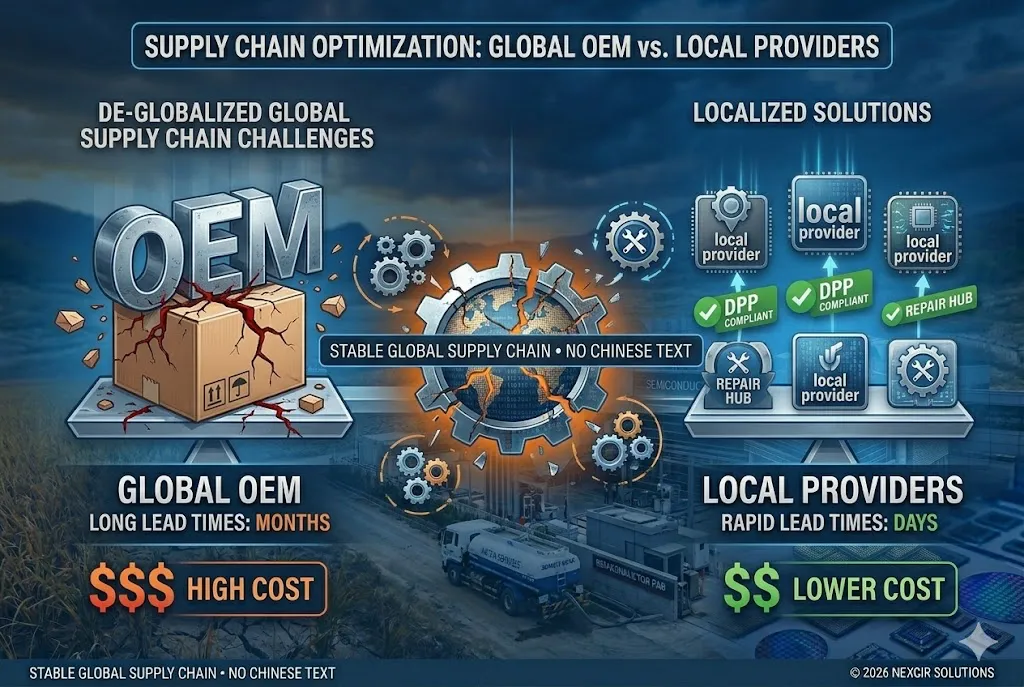
You only bought directly from the OEM in the past. This was the only safe rule. I recall a project five years ago. A client waited six months for a single special sensor. That delay cost them millions. Today, we use critical thinking. We see that total dependence on one global source is a massive risk. We must break down this problem.
The High Cost of Waiting
An OEM controls your timeline when they control the market. Hardware engineers cannot pause a project. They cannot wait because a part is stuck in international customs.
Building Local Power4
Governments and big factories now invest heavily in local third-party networks. Here is a breakdown of the differences:
| Factor | Global OEM Model | Local Third-Party Model |
|---|---|---|
| Delivery Time | Months | Days or Weeks |
| Price | High and fixed | Competitive |
| Control | Low | High |
This shift is not just about saving money. It is about survival. You must find reliable local partners as a procurement manager. We see this trend every day at Nexcir. We use our global network. We find authentic parts quickly. We help you avoid the long OEM wait times. We keep your quality high.
How does a third-party repair market5 reduce supply chain risks?
Broken machines stop your factory. You feel massive stress when you wait for an overseas technician. Third-party repair markets give you immediate expert help right now.
A third-party repair market5 reduces risks by offering fast local service. You do not have to ship heavy equipment across the world. Independent technicians fix problems quickly. They use verified authentic parts. They keep your production schedule stable without the original maker.
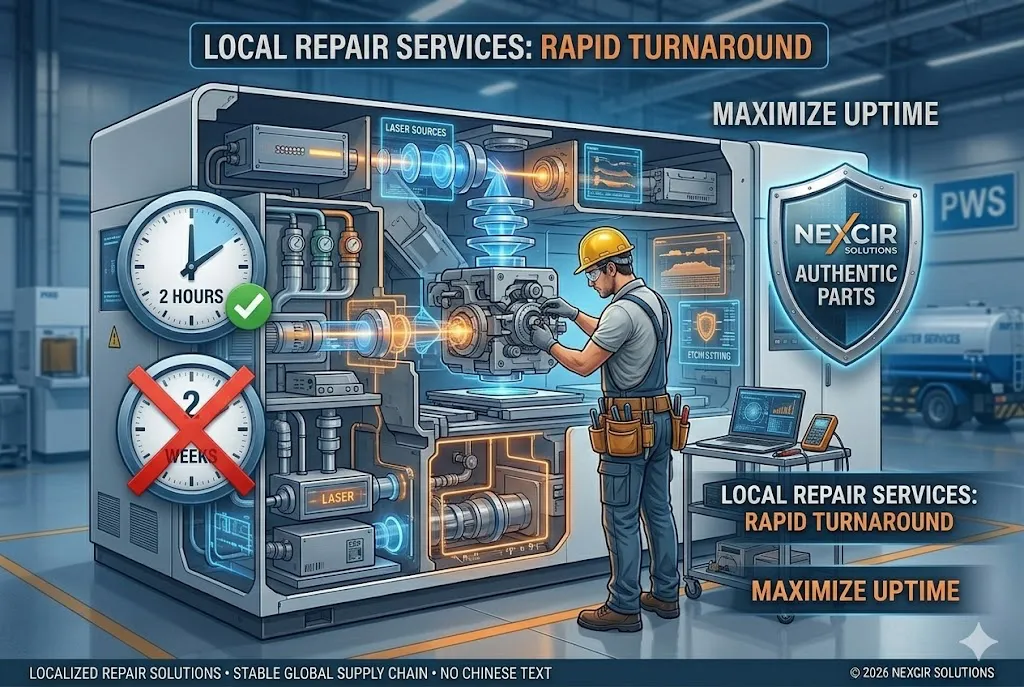
We must look closer at independent repair. It changes the game. I visited a factory years ago. This factory lost a week of work. An OEM technician could not get a travel visa. That story always stays in my mind. You take too much risk when you rely on distant experts.
Fast Response Times6
Third-party repair teams live in your region. They understand your local market. They can arrive at your factory in hours. They do not need weeks. This speed saves your production schedule.
Access to Authentic Parts7
You might worry about fake parts in the repair process. This is a real fear. However, professional third-party teams work with trusted distributors like Nexcir. We ensure every replaced component is 100% original.
| Risk Area | OEM Solution | Third-Party Solution |
|---|---|---|
| Technician Travel | High risk of delay | Low risk and local |
| Part Sourcing | Slow single source | Fast multiple trusted sources |
| Cost Control | Expensive | Flexible and lower |
You take back control by using a third-party market. You get the same quality of repair. You take much less risk. You protect your production lines from global shipping shocks.
What role do used semiconductor parts play today?
You struggle to find parts for older machines. End of Life notices8 give buyers headaches. High-quality used parts solve this problem and keep your machines running.
Used semiconductor parts fill the gap when OEMs stop making older components. They provide a cheap and reliable way to maintain older equipment. Factories avoid buying entirely new machines. They keep their current production lines running smoothly by using tested authentic used parts.
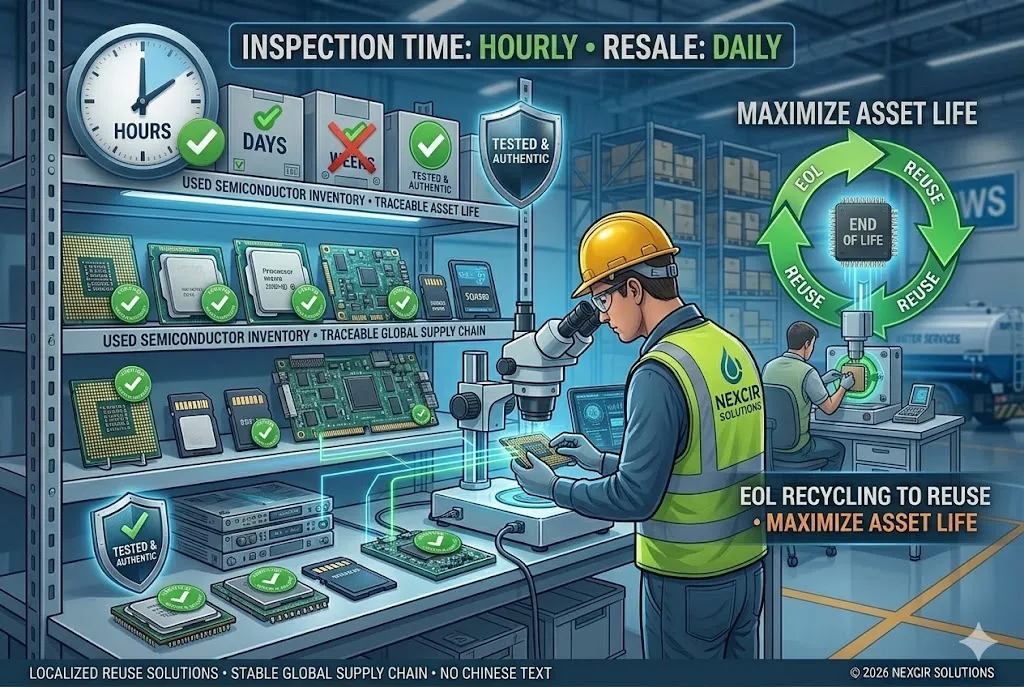
The term "used parts" used to scare procurement managers. I understand why. Nobody wants a fake chip in their expensive machine. Nobody wants a broken part. But my 20 years of experience tell a different story today. The used parts market is now highly professional.
The End of Life Problem
OEMs want you to buy new machines. They issue End of Life notices8 for older parts. But your old machine still works perfectly. You should not spend millions on a new one.
Professional Testing and Verification9
Today, used parts go through strict testing. We can break down the benefits clearly:
| Benefit | Description |
|---|---|
| Cost Savings10 | Used parts cost much less than new ones. |
| Availability | You can find parts the OEM no longer makes. |
| Sustainability11 | Reusing parts is better for the environment. |
Nexcir knows how to navigate this space as a trusted partner. We help clients find verified high-quality alternatives for old components. We make sure every used part is authentic. This approach lowers your costs. It keeps your proven production lines working without forced upgrades.
How can buyers adapt to this divided global market12?
A divided market causes deep confusion. You increase the risk of fake parts when you buy from too many small suppliers. You need a strong strategy.
Buyers can adapt by partnering with experienced independent distributors. These partners verify part authenticity. They manage global logistics. Procurement managers use one trusted distributor. They find safe original parts in the new third-party market instead of dealing with many unknown sellers.
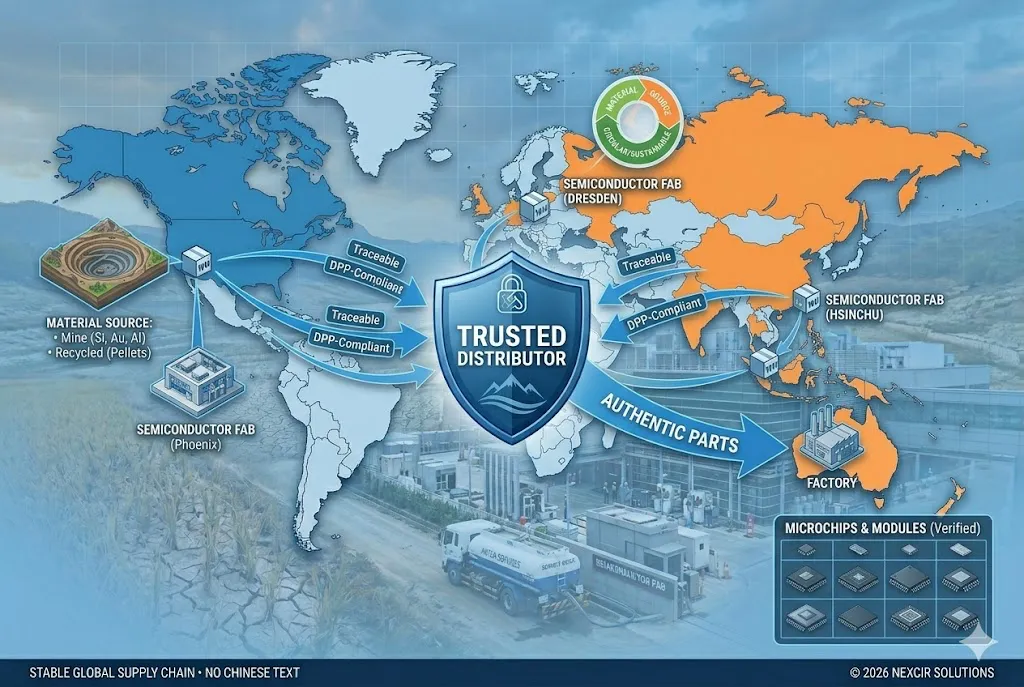
De-globalization does not mean you stop buying from the world. It means the world is now split into many smaller markets. I have seen many buyers struggle with this. They try to contact dozens of new local suppliers. This takes too much time. This increases the risk of buying fake chips.
The Need for a Central Partner13
You need a bridge. You need someone who understands all these local markets. A good distributor acts as your single point of contact.
How We Solve This
We built our business for this exact situation at Nexcir. We have a stable supply network across North America, Europe, and Asia.
| Strategy | Old Way | New Way |
|---|---|---|
| Sourcing | Rely on one OEM | Use a trusted global distributor14 |
| Risk Management15 | Accept OEM delays | Verify parts through independent tests |
| Logistics | Wait for slow global shipping | Use flexible logistics partners16 |
You turn a divided market into an advantage by changing your strategy. You get better prices. You get faster delivery. You keep your production safe from sudden market changes.
Conclusion
The shift toward third-party repair and used parts breaks OEM control. You secure authentic components and lower costs when you partner with trusted experts. You protect your production lines.
Exploring local repair and used parts markets can reveal how they reduce dependency on OEMs and improve supply chain efficiency. ↩
Understanding OEM monopolies helps identify risks and explore alternatives for more flexible and competitive sourcing. ↩
Learning about trade wars and shipping delays can highlight the importance of local supply networks in mitigating risks. ↩
Building local power ensures faster delivery and greater control, crucial for maintaining production efficiency. ↩
Third-party repair markets offer immediate local service, reducing downtime and dependency on overseas technicians. ↩
Fast response times prevent production delays, ensuring that factories can quickly resume operations after equipment failures. ↩
Access to authentic parts is vital for maintaining equipment quality and avoiding the risks associated with counterfeit components. ↩
End of Life notices can force unnecessary upgrades, making it essential to find reliable used parts to maintain older machines. ↩
Professional testing ensures that used parts are reliable and authentic, reducing the risk of equipment failure. ↩
Using used parts can significantly reduce expenses compared to purchasing new equipment, benefiting budget-conscious buyers. ↩
Reusing parts reduces waste and environmental impact, aligning with sustainable practices in manufacturing. ↩
Adapting to a divided market requires strategic partnerships to navigate complex supply chains and ensure part authenticity. ↩
A central partner simplifies sourcing and logistics, reducing risks and ensuring reliable access to authentic parts. ↩
A trusted distributor offers verified parts and efficient logistics, crucial for navigating fragmented markets. ↩
Effective risk management minimizes delays and ensures part authenticity, protecting production lines from disruptions. ↩
Flexible logistics partners enable faster delivery and adaptability, essential for maintaining production schedules. ↩