Chip shortages hurt your production lines. But did you know water shortages cause them? Without water, fabs stop making chips. Let us look at how this crisis hurts your supply.
Fabs and farmers are fighting for water because making chips requires millions of gallons of ultra-pure water1 every day. In dry places like Taiwan and Arizona, this high water usage causes local conflicts. When water runs out, chip production slows down, which directly impacts global IC supply2 and pricing.
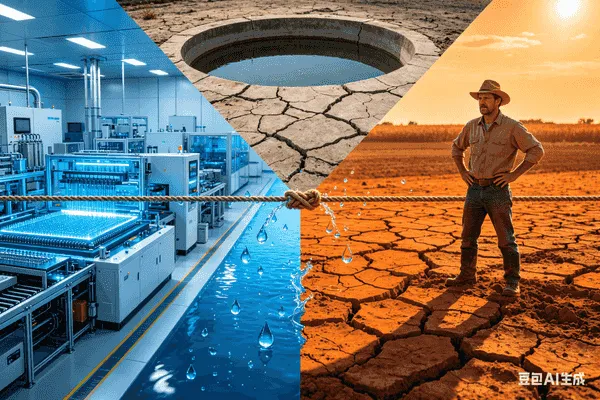
I have worked in the electronic components industry for over 20 years. I often see buyers worry about silicon materials, but few people think about water. This fight for water is real, and it changes how we source parts at Nexcir. If you want to keep your production lines running, you must understand what is happening on the ground right now.
Why do semiconductor fabs3 drink so much water?
You need clean chips for your boards. Dust ruins chips. Fabs use massive amounts of water to wash wafers. If they cannot wash them, your components will fail.
Fabs use huge amounts of water to create ultra-pure water1. This ultra-pure water1 washes away tiny particles and chemicals from silicon wafers during manufacturing. A single large fab can use up to 10 million gallons of water every day to keep chips clean.
Let me explain why water is so vital for chips.
The Role of Ultra-Pure Water
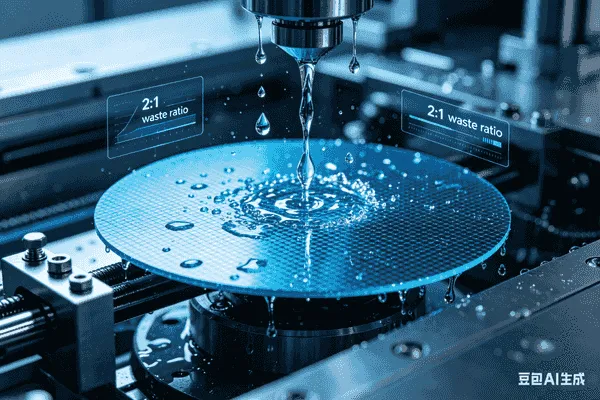
When a factory makes a tiny MCU or a PMIC, the silicon wafer goes through hundreds of steps. After the factory puts chemicals on the wafer, they must wash it. Normal water has minerals and salts. These minerals will ruin the tiny circuits on the chip. So, factories must clean the water first. This cleaning process makes ultra-pure water1.
Making ultra-pure water1 wastes a lot of normal water. For every two gallons of normal water, the factory only gets one gallon of ultra-pure water1. The rest goes to waste.
Comparing Local Water Usage
Here is a simple look at who uses the water in a local area:
| Water User | Daily Water Need | Main Purpose | Impact of Water Shortage |
|---|---|---|---|
| Farmers | Very High | Grow local crops | Food prices go up quickly |
| Chip Fabs | Millions of gallons | Wash silicon wafers | Global chip supply stops |
| Homes | Average | Drink and wash | Local people get angry |
When you buy parts for your IoT devices, you are buying a product that drinks lots of water. If the factory cannot get water, they cannot make your parts. This is why water is a big risk for your procurement plan.
How is the water crisis affecting fabs in Taiwan?
Taiwan makes most of your advanced chips. But Taiwan faces severe droughts today. No rain means no chips. This puts your entire OEM production schedule4 at high risk.
Taiwan faces a huge water crisis because it relies on typhoons for rain. In recent years, fewer typhoons hit the island. Reservoirs dry up. The government limits water for farmers to give it to fabs. This causes deep anger and threatens the stable supply of electronic components.
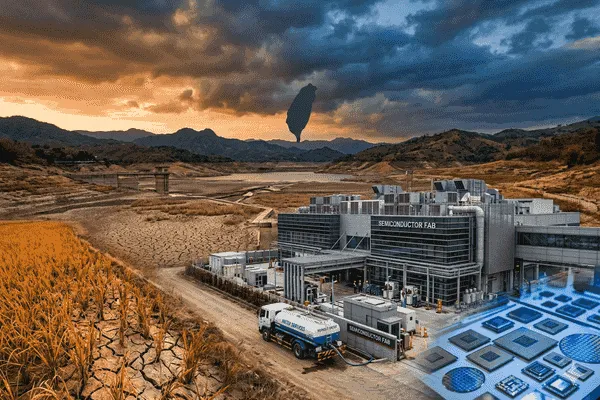
I talk to our suppliers in Taiwan every week. They always check the weather.
The Choice Between Rice and Chips
Taiwan has a hard choice. Do they give water to rice farmers or to chip makers? The government usually picks the chip makers. Semiconductor exports bring in a lot of money for the island. But the farmers are very angry. They cannot grow their crops. The government pays them to stop farming, but this does not fix the real problem. The water is still gone.
The High Cost of Trucking Water
When the pipes run dry, factories must buy water from water trucks5. This is very expensive and very slow.
| Water Source | Cost Level | Reliability | Main Problem |
|---|---|---|---|
| Local Pipes | Low | Low in drought | Government cuts supply |
| Water Trucks | Very High | Medium | Traffic and volume limits |
| Recycle Plants | High | High | Takes many years to build |
As a buyer, you must care about this. When fabs pay more for water trucks5, the cost of your MCUs and sensors goes up. At Nexcir, we watch these costs closely. We use our global network to find stable prices for you, even when Taiwan has no rain.
Can Arizona support new chip plants in the desert?
Buying chips from the US sounds safe. But new fabs are in the Arizona desert. The desert has no water. This threatens the dream of a safe local supply.
Arizona is a dry desert, but big companies are building massive fabs there. They pull water from the Colorado River6 and underground wells. Farmers say the fabs take too much water. The river is drying up quickly, which might force the government to limit chip production.
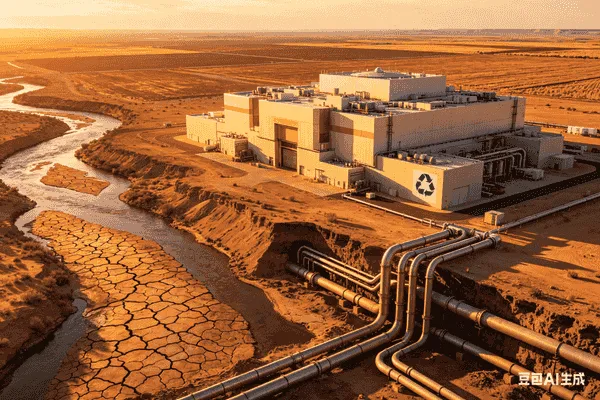
Many of our clients want chips made in America. They think it lowers supply chain risks. But Arizona has a huge water problem.
The Drying Colorado River6
Arizona gets a lot of water from the Colorado River6. But the river has less water every year. The government tells farmers to use less water. At the same time, big chip companies are building giant factories. These factories will need millions of gallons of water. Farmers ask why factories get water while their farms turn to dust.
Will Arizona Work for Chips?
Factories in Arizona say they will recycle the water. They want to reuse every drop. But recycling is not perfect.
| Water Factor | Current Problem | Risk to Your Procurement |
|---|---|---|
| River Water | Shrinking fast | Fabs may face sudden limits |
| Groundwater | Pumping too deep | Wells run dry, costs rise |
| Recycling | High energy cost | Chip prices become too high |
If you plan to buy parts from these new US fabs, you must plan for delays. The fight between the desert farmers and the fabs is just starting. This is why we always suggest keeping backup supply channels in Europe and Asia.
What does this water war mean for IC supply chains?
Supply chains are fragile. Water wars make them worse. If you ignore this, you will face sudden shortages. You need a plan to protect your production lines now.
The water war means your electronic component supply is at risk. Droughts cause sudden factory shutdowns and price jump7s. Procurement managers must find reliable partners who source globally. This helps you avoid the risk of relying on a single region that might run out of water.
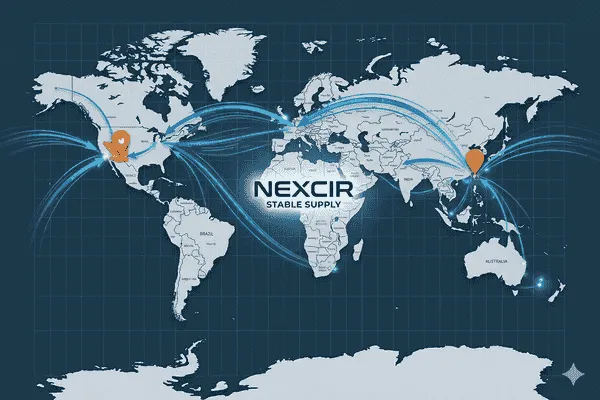
In my 20 years in this business, I have seen many reasons for chip shortages. Water is now a top reason.
How to Protect Your Supply
You cannot control the rain. But you can control how you buy parts. If you only buy chips from one place, a drought will hurt you. You need to spread your risk. You need to find original parts from different places.
The Nexcir Solution
At Nexcir, we help you fix this problem. We do not just look at the factory. We look at the risks around the factory.
| Risk Type | What Happens | How We Fix It |
|---|---|---|
| Drought | Factory stops making chips | We use our global network to find stock |
| Price Jump | Water trucks raise chip costs | We lock in stable prices early |
| Fake Parts | Desperate buyers buy bad chips | We only buy from authorized channels |
Our goal is simple. We want to give you 100% original parts on time. We track the water levels in Taiwan and the river flows in Arizona. We do the hard work so you can focus on building great products for your customers.
Conclusion
Water fights between fabs and farmers will change how we buy chips. You must plan ahead and work with a trusted global partner to keep your supply chain safe.
Understanding ultra-pure water is crucial as it plays a vital role in cleaning silicon wafers, ensuring chip quality and reliability. ↩
Understanding global IC supply risks helps in strategizing procurement to avoid sudden shortages. ↩
Understanding the water needs of fabs is essential for grasping the scale of their impact on local resources. ↩
Understanding this impact helps in planning and mitigating risks in electronic component supply chains. ↩
Learning about water trucks highlights the high costs and logistical challenges fabs face during water shortages. ↩
Investigating the Colorado River's role in Arizona's water supply reveals potential risks to chip production. ↩
Investigating price jumps due to water shortages helps in anticipating and managing procurement costs. ↩