Traditional chips consume too much power for complex AI tasks. This limits edge devices. Neuromorphic computing1 solves this problem by mimicking the human brain to save massive energy.
Neuromorphic computing1 is a computer engineering method modeled after the human brain. It uses Spiking Neural Networks (SNN)2 to process data only when events happen. This approach drastically cuts power consumption3. It is ideal for always-on visual surveillance4 and edge AI applications5.

I remember testing a standard AI camera setup a few years ago. The heat sink was huge. The battery died in a few hours. We clearly needed a new way to process data without wasting so much energy. Neuromorphic chips offer a fresh path forward. They change how we think about hardware design6. We will look closer at how this technology works and why it is changing our industry.
How Do Spiking Neural Networks Work in Neuromorphic Chips?
Standard neural networks process empty data constantly. This wastes power. Your edge devices suffer. SNNs fix this issue. They only fire when they have actual information to process.
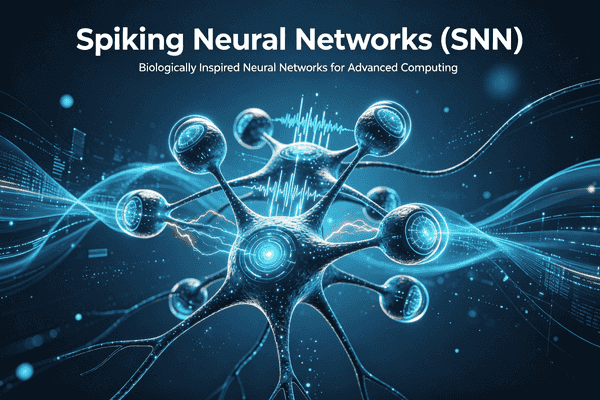
Spiking Neural Networks (SNN)2 form the core logic of neuromorphic computing. Standard networks run continuously. SNNs use discrete electrical spikes instead. They only activate neurons when a specific threshold is reached. This event-driven method mimics human brain cells and saves massive amounts of energy.
The Mechanics of Event-Driven Processing
We must look at how standard chips waste energy to understand SNNs. A normal processor reads every pixel in a video frame. It does this even if nothing changes in the picture. This process is very inefficient. I often see engineers struggle with the power budget of standard MCUs when they design smart cameras.
SNNs change the rules completely. They use an event-driven model. The chip does nothing if a pixel does not change. This is a massive shift in how we handle data.
Comparing Traditional and Neuromorphic Processing
| Feature | Traditional AI Chips | Neuromorphic Chips (SNN) |
|---|---|---|
| Data Processing | Continuous frame-by-frame | Event-driven spike-based |
| Power Consumption | Very high | Extremely low |
| Speed | Clock-dependent | Real-time parallel |
| Best Use Case | Cloud computing | Edge devices |
This shift is huge for hardware engineers. You no longer need to rely on high clock speeds. You rely on parallel processing7 instead. But writing software for SNNs is hard. It requires new software frameworks8. At Nexcir, we often advise clients to check their software team first. You must know if your team is ready for this shift before you buy these new chips. You must weigh the power savings against the long development time.
Why is Neuromorphic Computing Perfect for Visual Surveillance?
Security cameras run all day and night. They drain power and generate massive data. Analyzing this data locally is hard. Neuromorphic chips handle continuous visual data with almost zero idle power.
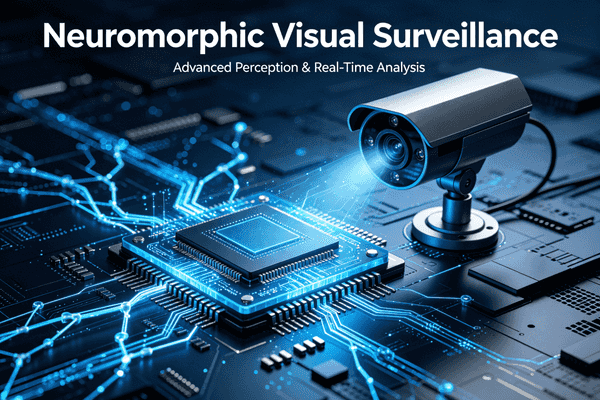
Neuromorphic computing1 is perfect for visual surveillance4 because it pairs easily with dynamic vision sensors9. These sensors only record changes in a scene. The neuromorphic chip processes these specific movement changes instantly at extremely low power. This makes it ideal for battery-operated security cameras10.
Solving the Always-On Power Problem
Visual surveillance has a big problem. Cameras must watch everything all the time. But nothing happens most of the time. An empty hallway is just empty. Traditional image sensors capture the empty hallway thirty times a second. This burns power. It also creates useless data that clogs the network.
I have seen OEM teams try to fix this power issue with bigger batteries. It is a costly and heavy workaround. Neuromorphic computing1 attacks the root cause directly.
Benefits for Surveillance Hardware
| Hardware Component | Impact of Neuromorphic Tech | Result |
|---|---|---|
| Image Sensor | Pairs with Dynamic Vision Sensors | Creates less useless data |
| Processor | Processes only movement spikes | Uses milliwatt power |
| Battery | Needs less energy capacity | Allows smaller device size |
| Memory | Stores fewer full frames | Lowers total BOM cost |
The chip ignores static backgrounds by simulating neuronal spikes. It only wakes up for motion. A remote camera can run for months on a small battery because of this. But you must think critically about your image quality needs. Neuromorphic vision is great for detecting motion. It is not good for taking high-resolution color photos. You must decide what your surveillance system actually needs to do before you choose this technology.
How Can Procurement Teams Source Neuromorphic Components Safely?
Finding new technology components is risky. Counterfeit parts and long lead times can halt your production. Working with a trusted distributor ensures you get authentic neuromorphic chips.
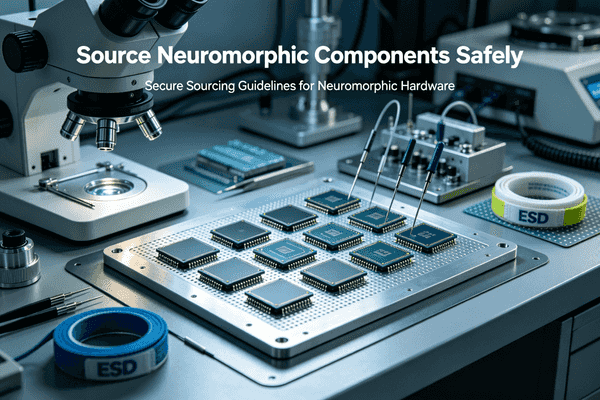
Procurement teams can source neuromorphic components safely by partnering with specialized distributors. These distributors verify component authenticity. Neuromorphic chips are niche products. Buyers must ensure full traceability back to the original manufacturer. This reduces supply chain risks11 and guarantees the parts will function correctly.
Navigating a Niche Market
Neuromorphic chips are not common like standard MCUs or PMICs yet. They are cutting-edge. This makes them hard to find. The gray market gets involved when a part is rare. I remember a client who bought rare sensors from an unverified broker. Half of the sensors failed in testing. The whole project was delayed by six months and cost them a lot of money.
Supply Chain Protection Strategies
You must follow strict sourcing rules to protect your production lines.
| Strategy | Action Required | Why It Matters |
|---|---|---|
| Verify Channels | Buy only from authorized sources | Prevents counterfeit parts12 |
| Traceability | Demand full paper trails | Ensures quality control |
| Long-Term Planning | Secure your stock early | Avoids market fluctuations |
| Expert Support | Use distributors with engineering knowledge | Helps find alternatives |
At Nexcir, we solve these pain points every day. We only use authorized channels. We know that hardware engineers need original electronic components to build reliable devices. You must lock in your supply chain early when you plan to build a neuromorphic product. The market for these chips is volatile. You cannot treat them like standard commodity parts.
What Are the Main Challenges of Adopting Neuromorphic Technology?
Adopting new hardware is very expensive. A lack of tools and trained engineers13 can stall your project. You must understand these hurdles to avoid wasting your budget.
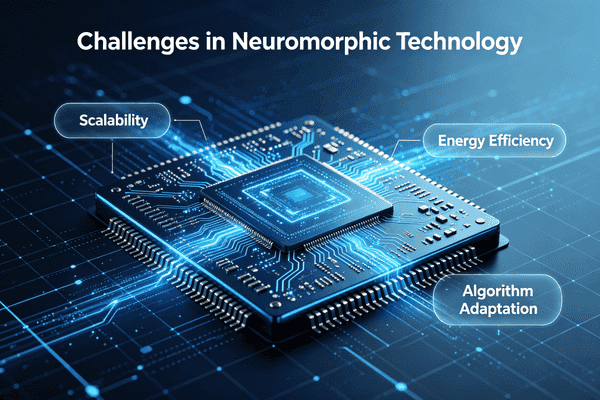
The main challenges of adopting neuromorphic technology include a lack of standardized software tools14 and a shortage of trained engineers13. The initial hardware costs are also high. Integrating these novel chips with standard legacy systems requires extensive custom engineering work.
The Software Gap
Hardware is only half of the story. You can buy the best neuromorphic chip in the world. It is useless if you cannot program it. Most AI engineers today know how to use standard tools. They build models for standard GPUs. SNNs need a completely different approach to coding. This slows down many exciting new projects.
Breaking Down the Adoption Barriers
We must look at the real hurdles you will face in the lab.
| Challenge Area | Current Situation | Required Solution |
|---|---|---|
| Software Ecosystem | Very few open-source tools exist | We need more SNN frameworks |
| Talent Pool | Engineers lack SNN experience | Companies must invest in training |
| Integration | Hard to mix with standard MCUs | We need better bridge interfaces |
| Cost | Low production volume causes high prices | We must wait for market scale15 |
You must think critically about your product timeline. Neuromorphic tech is probably the wrong choice today if you need a product on the market in three months. The learning curve is too steep. But you should start testing these chips immediately if you are planning a next-generation surveillance camera for two years from now. Early adoption is risky. It also creates a huge competitive advantage16 for your company.
Conclusion
Neuromorphic computing1 uses SNNs to process visual data with incredible energy efficiency. It solves major power issues for edge devices, though software and sourcing challenges still remain today.
Explore how neuromorphic computing mimics the human brain to revolutionize energy efficiency in AI tasks. ↩
Discover the unique event-driven approach of SNNs that drastically reduces power consumption in AI applications. ↩
Learn about the methods neuromorphic computing uses to significantly cut down power consumption in devices. ↩
Explore how neuromorphic computing enhances visual surveillance by reducing power usage and data overload. ↩
Learn why edge AI applications are crucial for real-time data processing and how they benefit from neuromorphic computing. ↩
Explore the impact of neuromorphic computing on modern hardware design and its potential to transform industries. ↩
Discover the benefits of parallel processing in neuromorphic chips and how it differs from traditional methods. ↩
Understand the importance of developing new software frameworks to support the unique requirements of SNNs. ↩
Find out how dynamic vision sensors complement neuromorphic chips to optimize visual surveillance systems. ↩
Learn how neuromorphic chips extend battery life and efficiency in security cameras by processing only relevant data. ↩
Find strategies to ensure the authenticity and reliability of neuromorphic components in your supply chain. ↩
Discover methods to prevent counterfeit parts from entering your production line, ensuring quality and reliability. ↩
Understand the challenges in finding skilled engineers for neuromorphic technology and how to address them. ↩
Explore the current landscape of software tools for neuromorphic computing and their role in development. ↩
Explore the current market scale for neuromorphic technology and its implications for pricing and availability. ↩
Discover how adopting neuromorphic technology early can position your company ahead of competitors in innovation. ↩