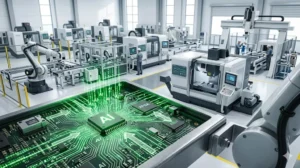
Are you worried about AI chip shortages1? Startups are failing, and big companies are buying them up. This limits your choices and hurts your supply chain2 badly.
Yes, the M&A wave3 is rising again. AI chip startups are running out of cash. Tech giants are buying these startups mainly to get their technology patents4 and engineering talent5. This trend changes the supply chain2 and forces buyers to find new, reliable sources for electronic parts.

I see this shift every day in the electronic components market. When a tech giant buys a small startup, they often stop selling the startup's chips to the public. This leaves hardware engineers and procurement managers without the parts they need for their products. You must understand why this happens so you can protect your production lines from sudden stops.
Why Are AI Chip Startups Running Out of Money?
Designing chips is very expensive. Startups spend millions, but they often fail to make a profit. Without new funding, they cannot pay their bills or finish their new products.
AI chip startups are running out of money because chip design requires huge upfront costs for research and testing. At the same time, venture capital funding6 has slowed down. Without new money, these startups cannot afford to manufacture their chips and must sell their business.
The High Cost of Silicon
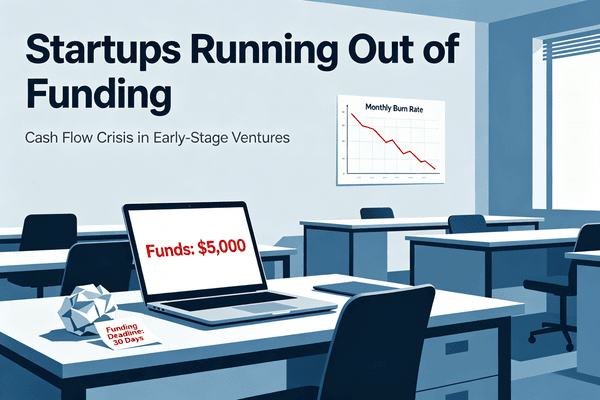
I remember talking to a startup founder last year. He had great ideas but no money left for tape-out7. Making a new AI chip is not like making software. You need expensive tools, rare materials, and highly paid engineers. A small team can easily burn through fifty million dollars before they even have a working chip to sell.
The Funding Gap
Investors want quick returns. But semiconductor development8 takes years. When the market gets tough, investors stop giving money. Startups then face a broken capital chain. They have great technology but no way to make it. This forces them to look for buyers to save their work.
Here is a breakdown of why startup costs are so hard to manage:
| Cost Area | Why It Is Expensive | Impact on Startup |
|---|---|---|
| Research & Design | Needs top talent and costly software. | Burns cash fast before any sales. |
| Prototyping | Factory time is very limited and pricey. | One mistake can ruin the company. |
| Mass Production | Requires large minimum orders. | Startups cannot afford the upfront fees. |
When startups fail to reach mass production, OEMs9 cannot get the parts. This is why you need a strong partner to find alternatives.
Why Are Tech Giants Buying These Struggling Startups?
Big tech companies need better AI chips. Building new technology from scratch takes too long. If they fall behind, they lose market share to their big rivals quickly.
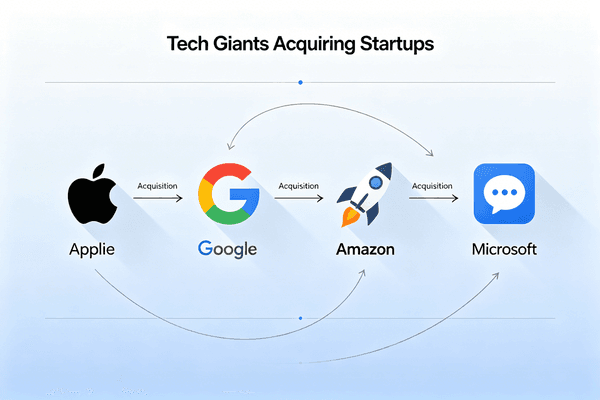
Tech giants buy struggling startups to get their technology patents4 and smart engineers quickly. It is cheaper and faster to buy a bankrupt startup than to invent the technology inside the big company. This helps giants build better AI systems and beat their competitors.
Buying Time and Talent
Big companies have lots of cash but little time. In the AI race, time is everything. I have seen tech giants spend billions just to get a specific patent. They do not care about the startup's brand or the startup's old customers. They only want the core technology to put into their own data centers.
The Value of Patents
Patents protect new ideas. By buying a startup, the giant gets a legal wall around that technology. This stops other companies from using it. It also gives the giant a shortcut to build next-generation AI hardware without waiting for years of basic research.
Let us look at what giants really get from these deals:
| Asset Acquired | Benefit to Tech Giant | Result for the Market |
|---|---|---|
| Technology Patents | Skips years of basic research. | Fewer open technologies for others. |
| Engineering Teams | Adds experts to their own projects. | Harder for others to hire good engineers. |
| Market Removal | Kills a possible future rival. | Less competition in the chip market. |
For buyers like you, this means the chips you planned to use might disappear forever. The giant will keep the tech for themselves.
How Does This M&A Wave Impact Component Supply for OEMs9?
A buyout sounds good for the startup, but it hurts you. Suddenly, your chosen chip is canceled. You face production delays and angry customers because you cannot build your product.
The M&A wave3 limits chip supply for OEMs9. When a giant buys a startup, they usually stop selling the startup's chips to the public. These parts become End of Life (EOL)10. This forces procurement managers to find new suppliers or redesign their boards fast.
Sudden End of Life Notices
When an acquisition happens, the first thing I see is a wave of EOL notices. The big company does not want to support small OEM customers. They only want the chip for their own servers. This leaves hardware engineers stuck with an unfinished design and no parts to buy.
Finding Reliable Alternatives
If your main chip is gone, you must find a replacement fast. This is very hard. You might face fake parts on the open market. You need a distributor who knows the global supply chain2 well. My team has over 20 years of experience. We know how to find authentic parts when the original source dries up.
Here is how M&A changes your supply chain2:
| Supply Chain Event | Immediate Problem | Long-Term Risk |
|---|---|---|
| Product Cancellation | Production lines stop completely. | Loss of revenue and market trust. |
| Price Increases | Remaining stock gets very expensive. | Lower profit margins for your company. |
| Fake Components | Desperate buyers buy bad parts. | Product failures and major safety issues. |
You must build a strong backup plan before the M&A wave3 hits your specific components.
How Can Procurement Managers Survive This Market Shift?
The chip market is unstable. If you rely on just one supplier, you risk everything. You need a safe way to buy parts when the market changes suddenly.
Procurement managers can survive by working with independent, global distributors. You must find partners who source only from authorized channels. This ensures you get original parts, stable pricing, and safe delivery, even when big tech companies disrupt the normal supply chain2.

Build a Global Supply Network
You cannot rely on local markets alone. I always tell my clients to look globally. If a part is missing in Asia, it might be sitting in a warehouse in Europe. We use our global supply network11 across North America, Europe, and Asia to find exactly what you need at a fair price.
Trust and Authenticity
When parts are rare, fake components12 flood the market. This is your biggest danger. You must only buy from trusted sources. We make sure all our resources come from authorized distributors and original makers. This guarantees the parts are real and your products will work.
Here are the steps you should take right now:
| Action Step | Why It Works | How We Help |
|---|---|---|
| Widen Supplier Base | Lowers the risk of one supplier failing. | We offer a vast global network. |
| Verify Authenticity | Stops fake parts from ruining products. | We guarantee 100% original parts. |
| Plan for EOL | Keeps production moving smoothly. | We find safe, exact alternatives. |
By preparing now, you can keep your production stable. You will not have to worry when the next startup gets bought by a tech giant.
Can New Startups Still Survive in the AI Chip Market?
New startups face a very hard road. They must compete with giant companies. If they do not have a perfect product, they will run out of money quickly.
New startups can still survive, but it is very difficult. They must focus on small, special markets that big companies ignore. They also need strong financial backing from the start. If they fail to secure steady money, they will become the next target for a buyout.

Finding a Safe Space
I talk to many engineers who want to start their own chip companies. I always tell them to avoid fighting the giants directly. You cannot beat a big tech company in making general AI chips. Instead, startups must make chips for very specific uses. For example, making a low-power chip for factory sensors is a smart move.
The Need for Perfect Execution
Even with a good idea, the startup must execute perfectly. Any delay in the design phase wastes money. Any mistake in the factory ruins the whole project. Startups do not have a second chance. They must get it right the first time to survive.
Here is what a new startup needs to stay alive:
| Success Factor | Why It Matters | Market Impact |
|---|---|---|
| Niche Market | Avoids direct fights with tech giants. | Creates unique parts for buyers. |
| High Efficiency | Saves cash during the long design phase. | Keeps the company running longer. |
| Strong Partners | Helps get factory time and sell products. | Builds trust with OEM customers. |
When startups succeed, they give you more choices. But you must always watch their financial health carefully.
Conclusion
The AI chip M&A wave3 will continue. By understanding these market shifts and partnering with trusted global distributors, you can secure authentic parts and keep your production lines running smoothly.
Understanding AI chip shortages helps you anticipate supply chain disruptions and plan accordingly. ↩
Understanding supply chain impacts from M&A helps you mitigate risks and maintain production continuity. ↩
Exploring the M&A wave reveals how mergers and acquisitions impact market dynamics and your business strategy. ↩
Learning about technology patents helps you understand their role in protecting innovations and influencing market competition. ↩
Discovering the value of engineering talent acquisition shows how it accelerates innovation and strengthens company capabilities. ↩
Exploring venture capital trends informs you about funding challenges and opportunities for tech startups. ↩
Learning about tape-out costs highlights the financial challenges faced by chip startups in bringing products to market. ↩
Understanding the lengthy semiconductor development process helps you appreciate the time and resources required for innovation. ↩
Exploring OEM strategies for supply chain management helps you ensure product availability and customer satisfaction. ↩
Understanding EOL implications helps you plan for component discontinuation and avoid production delays. ↩
Exploring global supply networks shows how they provide access to diverse markets and reliable component sourcing. ↩
Learning to identify fake components ensures product quality and safety, protecting your brand reputation. ↩