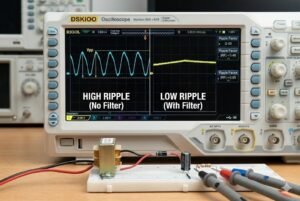
Data centers use too much power today. High energy costs hurt your business and stop growth. Superconducting computers1 offer a clear way out of this big problem.
Superconducting computers1 use materials that have zero electrical resistance2 at very low temperatures. Superconducting interconnects3 link these parts together. This setup creates ultra-low power consumption4. It solves the massive power limits5 that modern data centers face today, making huge computing tasks highly efficient.
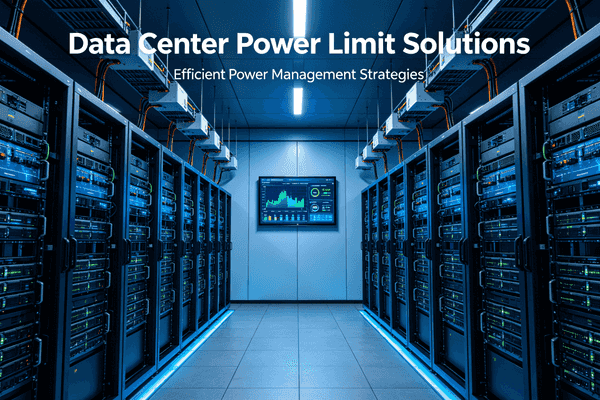
I remember walking through a massive data center last year. The noise from the cooling fans was so loud I could barely hear myself think. That much heat means wasted energy. The company was paying huge electricity bills every single month. They could not add more servers because the local city power grid could not give them more electricity. This is a hard limit. We will look closer at how this new technology changes everything for the better.
Why Do Data Centers Need Ultra-Low Power Solutions?
You face rising electricity bills every month. Standard servers run hot and waste massive amounts of power. Ultra-low power solutions fix this huge cost drain immediately.
Data centers need ultra-low power solutions because current silicon chips generate too much heat. This heat requires massive cooling systems6. Superconducting materials remove electrical resistance. This change drops power needs to almost zero, allowing data centers to grow without hitting strict power grid limits.
The Real Cost Of Heat And Resistance
I talk to hardware engineers every day at Nexcir7. They always tell me about their struggles with heat. When electricity moves through normal copper wires, it hits resistance. Resistance makes heat. You must then use more power to cool the room down. This cycle limits how big a data center can get. I visited a client in Europe recently. Their cooling system broke down for just one hour. The heat melted several expensive circuit boards. This event cost them thousands of dollars and delayed their project by weeks.
Superconducting computers1 fix this exact issue. When we cool certain metals to extreme temperatures, they lose all resistance. Electricity flows perfectly. You do not lose power to heat. You do not need massive fans for the chips. You only need a system to keep the chips cold. This is much more efficient.
Let us look at a simple comparison below.
| Feature | Standard Silicon Computers | Superconducting Computers |
|---|---|---|
| Electrical Resistance8 | High | Zero |
| Heat Generation | Very High | Almost None |
| Power Consumption | Massive | Ultra-low |
| Cooling Need | Big cooling systems6 | Extreme cold systems |
| Data Center Limit | Reached quickly | Greatly expanded |
Our clients want to build bigger systems. They cannot do that with old power rules. Superconducting technology gives OEM and ODM teams a new path forward. You can pack more computing power into a smaller space. You do not break the local power grid. This shift is vital for the future of large-scale computing. We see many companies starting to research this area right now. They want to be ready for the future.
How Do Superconducting Interconnects Solve The Power Limit?
Data gets stuck moving between chips. Slow data transfer slows down your whole project. Superconducting interconnects3 remove this speed block and save power at the same time.
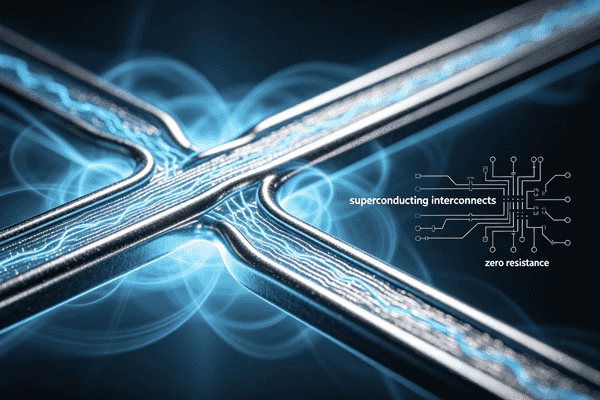
Superconducting interconnects3 solve the power limit by using zero-resistance wires to link computer chips. Normal wires lose energy when they move data. Superconducting wires move data at light speed without losing any energy. This allows systems to process massive data loads without needing extra electricity.
Moving Data Without Losing Power
At Nexcir7, we supply many components that connect different parts of a circuit board. Connectors are very important. In a normal computer, the wires that connect chips use a lot of power. As data moves faster, the wires get hotter. This is a big wall for hardware engineers. I once helped an automotive client find special high-speed connectors. They needed them because their old connectors melted under high data loads. They lost a lot of time testing bad parts.
Superconducting interconnects3 break this wall. They act like perfect highways for data. Because there is no resistance, the data travels without any energy loss. The signal stays perfect from start to finish.
Why Interconnects Matter
I want to show you how these interconnects change the rules.
| Interconnect Type | Signal Loss9 | Speed | Energy Efficiency10 |
|---|---|---|---|
| Traditional Copper | High | Limited by heat | Very Low |
| Optical Fiber | Low | Fast | Medium |
| Superconducting | Zero | Extremely Fast | Very High |
You can see the difference clearly. When you use zero-resistance links, the whole system runs better. You do not just save power on the chips. You save power on the communication between the chips. For our clients in IoT and automotive fields11, fast data is everything. Superconducting links make sure the data arrives instantly. They do this while keeping the power draw incredibly low. This is the exact core logic we need to beat the data center power limit. It allows engineers to design systems that we once thought were impossible.
What Does The Future Hold For Electronic Components?
Finding the right parts for new tech is hard. Counterfeit parts12 can ruin your whole system. Reliable sourcing makes sure your jump into superconducting tech is safe.
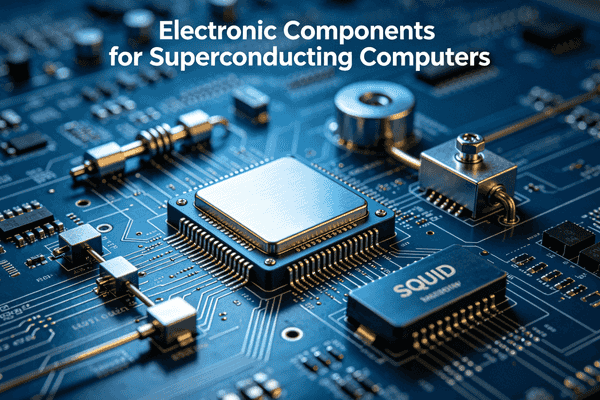
The future requires highly specialized electronic components that can survive extreme cold. Procurement managers will need reliable sources for special sensors, unique PMICs, and durable connectors. Working with a trusted global supplier ensures you get 100% original parts to build these advanced systems safely.
Sourcing Parts For Extreme Conditions
Building a superconducting computer is not like building a normal server. You must keep the system very cold. This extreme cold changes how electronic components work. Standard parts will break. I have seen projects fail because the team bought the wrong parts. A few years ago, a research team bought cheap sensors from an unknown broker. The sensors failed in extreme cold. The whole test was ruined. They lost months of work because they did not use original parts.
At Nexcir7, we know that new technology brings new risks. You need sensors that read temperatures near absolute zero. You need power management ICs (PMICs) that stay stable in the cold. You need connectors that do not shrink and crack. You must buy these from authorized distributors.
The Shift In Component Procurement
Here is what procurement teams must focus on next.
| Component Type | Standard Requirement | Superconducting Requirement |
|---|---|---|
| Sensors | Normal temp range | Extreme cold temp range13 |
| PMICs | Standard voltage | Ultra-stable at extreme cold |
| Connectors | Basic durability | Thermal contraction resistant14 |
| Sourcing Risk15 | High counterfeits | Very high risk if not original |
Our core team has over 20 years of experience. We see this shift happening now. We help our clients find these rare, high-quality components. We use our global supply network to get parts directly from original makers. You get stable pricing. You avoid counterfeit parts. As data centers move to ultra-low power models, having a trusted partner like Nexcir7 keeps your supply chain safe and strong. We make sure you get your parts on time, every time.
Conclusion
Superconducting computers1 and interconnects provide ultra-low power solutions. They solve the massive power limits5 of data centers. Nexcir7 is ready to supply authentic components for this new future.
Explore how superconducting computers operate with zero electrical resistance, offering ultra-low power consumption for data centers. ↩
Learn about the significance of zero electrical resistance in superconducting materials and its impact on energy efficiency. ↩
Discover how superconducting interconnects enhance data transfer speed and efficiency by eliminating resistance. ↩
Discover the mechanisms behind superconducting computers' ability to drastically reduce power consumption in data centers. ↩
Understand the challenges data centers face with power limits and how superconducting technology addresses these issues. ↩
Explore the role of cooling systems in managing heat in data centers and how superconducting technology reduces the need for them. ↩
Find out how Nexcir supports the transition to superconducting technology by providing authentic components. ↩
Learn about electrical resistance in computing and how superconducting materials eliminate it for better efficiency. ↩
Understand the factors leading to signal loss in traditional interconnects and how superconducting alternatives prevent it. ↩
Explore the energy efficiency benefits of superconducting interconnects in data centers. ↩
Learn why rapid data transfer is essential for IoT and automotive industries and how superconducting technology supports it. ↩
Understand the risks associated with counterfeit electronic parts and the importance of sourcing authentic components. ↩
Explore the necessity of components that withstand extreme cold in superconducting computers for optimal performance. ↩
Learn about the importance of thermal contraction resistance in connectors for superconducting systems. ↩
Discover the challenges and risks in sourcing components for superconducting technology and how to mitigate them. ↩