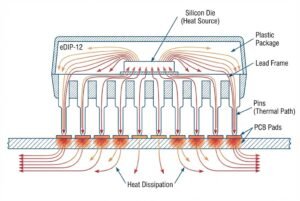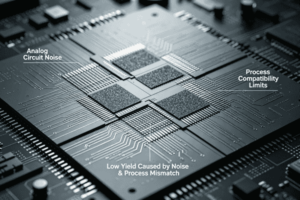
You need faster chips. But standard silicon is hitting a wall. Heat and power leaks hurt your designs. 2D semiconductor materials1 can fix this big problem for you.
2D semiconductor materials1, like Molybdenum Disulfide (MoS₂)2, are ultra-thin materials. They are only a few atoms thick. They solve the short-channel effects3 that silicon faces below 3nm. They help hardware engineers build smaller, more powerful, and cooler chips for future electronic devices.
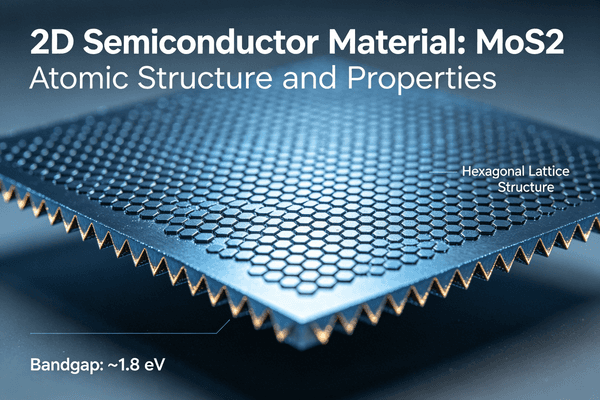
I remember working with a hardware engineer last year. He called me in a panic. He was struggling with heat issues in a tight circuit board layout. He designed a great product. But the silicon chips got too hot. Silicon limits were holding his entire project back. We sat down and talked about new materials. I told him about the future of semiconductors. I knew 2D semiconductors were the exact answer to his problem. These materials change how we think about electronics. Let us look at why these atomic-level materials are changing the game. We will explore how they work. We will see how they fix the heat problem.
Why Do We Need Atomic-Level Thickness in Chips?
Transistors are shrinking fast. But the space between them is too tight. Electrons leak out. This causes errors and heat. Atomic-level materials stop this leak completely.
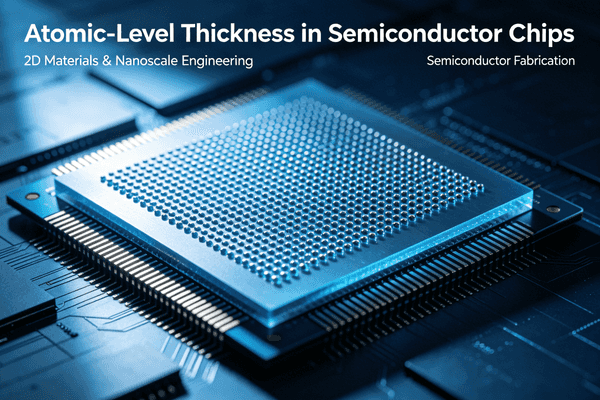
We need atomic-level thickness4 because standard silicon loses control of electrons below 3nm. We call this the short-channel effect. 2D materials like MoS₂ trap electrons tightly. They prevent leaks. They keep the chip running smoothly and cool.
Breaking Down the Silicon Limit
I see many OEM procurement managers5 worry about buying new chips. They worry that the new chips will overheat in small devices. I understand this fear perfectly. When we talk to original chip makers, they explain a big physical problem. Standard silicon is too thick for 2nm or 1nm chip designs. A transistor has a gate. The gate controls the flow of electricity. In very small silicon chips, the gate cannot hold the electric current. The current leaks out when the chip should be off. We call this the short-channel effect. This leak leads to massive power waste. Your battery dies much faster. Your device gets too hot to hold. We must fix this physical limit to move forward in technology. We cannot just use smaller silicon blocks. We need a completely new material.
The Power of Molybdenum Disulfide
Molybdenum Disulfide changes this old rule. We call it MoS₂ for short. Scientists love this material. It forms a perfectly flat sheet. This sheet is incredibly thin. It is only one to three atoms thick. Because it is so thin, the gate sits very close to the channel. This tight setup stops the short-channel effect completely. I always tell my clients that this is real physics at work. It is not science fiction. The electrons stay exactly where we want them to stay. They do not leak out of the path. This gives you high processing speed. It also gives you very low power use. Let us look at the clear differences between standard thick silicon and ultra-thin MoS₂.
| Feature | Standard Silicon | Molybdenum Disulfide (MoS₂)2 |
|---|---|---|
| Material Thickness | Thick (Bulk material) | Ultra-thin (1 to 3 atoms) |
| Electron Leakage | High below 3nm node | Very low leakage |
| Heat Generation | High in tight spaces | Low heat output |
| Use for 2nm Chips | Very hard to control | Excellent control |
I believe this atomic material will save the future of hardware design. You can build smaller products. You do not need big cooling fans. You save valuable space on your circuit board.
When Will We See 2D Materials in Real Production?
You might think 2D materials are stuck in labs. Waiting for new parts delays your product roadmap. But pilot lines are starting right now. You must get ready.
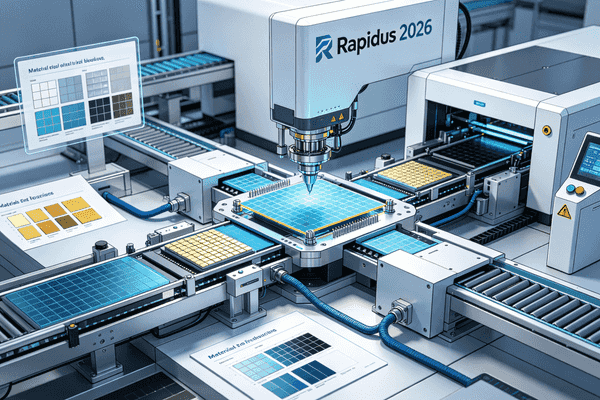
We will see 2D materials in real production very soon. Major steps will happen by 2026. Startups like Rapidus in Japan6 are working hard. They are integrating these atomic-level materials on their pilot lines. They are moving them from testing to actual manufacturing floors.
The Push for 2026 Production
I have over 20 years of experience in the electronic components industry. I know that moving a product from a clean lab to a noisy factory is very hard. Many good ideas fail in the factory. But the push for 2nm chips7 forces the entire industry to move fast. Companies cannot wait. Rapidus and other smart foundries are investing billions of dollars right now. They plan to use 2D materials on trial lines by the year 2026. For our clients at Nexcir, this means new part numbers will appear soon. It also means new sourcing challenges will start. I monitor these pilot lines closely every single week. I read the industry reports. I talk to the makers. I want to know exactly when these parts are ready for you.
How Pilot Lines Reduce Supply Chain Risk
When a foundry tests MoS₂, they learn a lot of hard lessons. They figure out how to put the delicate material on the silicon wafer. They must do this without breaking the atomic sheet. This early testing lowers the risk for OEM buyers later. The foundries solve the manufacturing problems first. If you plan your new hardware for 2027, you must watch these 2026 pilot lines. You need to know when the parts are stable. You need to know if the factory yield rate is good. A high yield rate means lower prices for you.
| Timeline Phase | Year | Action in the Industry |
|---|---|---|
| Lab Testing | Before 2024 | Scientists prove MoS₂ works well. |
| Pilot Lines | 2025 to 2026 | Foundries test mass production steps. |
| Early Adoption | 2027 and beyond | First commercial chips enter the market. |
We talk to hardware engineers all the time. They are very excited about this timeline. They know 2026 is a big turning point for chip design. We will help you track these new components. We will make sure you get them first.
How Will 2D Semiconductors Change Your Procurement Strategy?
New materials bring new counterfeit risks8. They bring unstable prices. You cannot afford supply chain breaks. You need a safe way to buy these next-generation components.
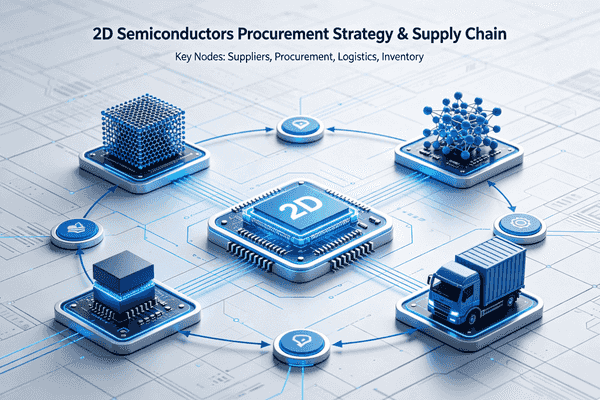
2D semiconductors will change your procurement strategy. They require stricter quality checks. You need closer ties to authorized distributors9. These chips use brand new manufacturing steps. You must rely on trusted global supply networks. This ensures you get 100% original parts with stable lead times.
Avoiding Fake Next-Generation Chips
When new technology hits the market, bad actors try to cheat you. They try to sell fake parts for a high profit. I saw this happen many times during the big chip shortage a few years ago. It ruined many production schedules. With 2D materials like MoS₂, the new chips will be very expensive at first. This high price attracts counterfeiters. They will print fake labels on old silicon chips. They will try to trick your buyers. At Nexcir, we refuse to take risks. We only buy from authorized distributors9. We only buy directly from original makers. You must do the same to protect your factory production line. We guarantee product authenticity for every single shipment. We check everything carefully. You can trust our global supply network.
Securing Long-Term Supply
New materials often have low yield rates10 at the start of production. The factories make fewer good chips and more bad chips. This causes sudden supply shortages. You need a strong partner to secure your stock. We use our deep industry experience to predict market shifts. We help you lock in stable prices before the open market jumps. You need to plan your supply chain early. Do not wait until your production line stops. A stopped line costs you money.
| Procurement Focus | Old Strategy | New Strategy for 2D Chips |
|---|---|---|
| Quality Check | Basic visual check | Full traceability to original maker |
| Sourcing Channel | Open market brokers | Authorized global distributors |
| Supply Planning | Buy when needed | Plan 12 to 18 months ahead |
We offer very flexible service models. We provide dependable delivery to your door. We help you lower procurement risks. We want to be your trusted partner for the future. We want to grow alongside you. We believe in our motto. Next Circuit, Next Future11.
Conclusion
2D materials like MoS₂ solve silicon limits below 3nm. Pilot lines start by 2026. You must prepare your designs. Secure your supply chain early with trusted partners like us.
Explore how 2D semiconductor materials are revolutionizing chip design by overcoming silicon limitations and enabling smaller, cooler, and more efficient devices. ↩
Learn why MoS₂ is a game-changer in semiconductor technology, offering ultra-thin material properties that enhance chip performance and reduce heat generation. ↩
Understand the challenges posed by short-channel effects in silicon chips and how 2D materials like MoS₂ address these issues to improve device efficiency. ↩
Discover the significance of atomic-level thickness in preventing electron leakage and enhancing chip performance in modern electronic devices. ↩
Learn about the challenges OEM procurement managers face with new chip technologies, including overheating and material limitations. ↩
Explore how Rapidus is pioneering the integration of 2D materials into manufacturing, aiming for commercial production by 2026. ↩
Learn about the difficulties in designing 2nm chips and how 2D materials offer solutions to overcome silicon limitations and enhance performance. ↩
Understand the importance of securing authentic semiconductor components and avoiding counterfeit risks in the procurement process. ↩
Discover the role of authorized distributors in ensuring the authenticity and reliability of semiconductor components in the supply chain. ↩
Find out how low yield rates affect semiconductor supply and strategies to secure stable stock and pricing for new materials. ↩
Explore the philosophy behind the motto 'Next Circuit, Next Future' and how it reflects a commitment to innovation and reliable partnerships. ↩